
If you own land in Texas with an agricultural exemption, you already know one of the best-kept secrets in real estate: a proper ag exemption can slash your property tax bill dramatically. We’re talking savings that can run into the thousands — sometimes tens of thousands — of dollars every single year.
But here’s the thing most landowners don’t hear until it’s too late: the exemption doesn’t maintain itself.
County appraisal districts can — and do — audit ag-exempt properties. And when they come knocking, your records are what stand between you and a hefty back-tax bill.
At Legacy Broker Group, we work with land and ranch buyers across Texas every day. One of the most common mistakes we see new landowners make? Assuming the ag exemption is “set it and forget it.” It’s not. So let’s talk about what records you actually need to keep, and why they matter.
What Is an Agricultural Exemption (And Why Should You Care)?
First, a quick refresher. In Texas, an agricultural exemption — more accurately called an agricultural use appraisal — means your land is taxed based on its productivity value rather than its market value.
The difference is enormous. A 50-acre ranch that might carry a $500,000 market value could have a productivity value of just $50,000–$80,000 for tax purposes. That’s a fraction of what you’d owe otherwise.
To qualify, the land must be used for legitimate agricultural purposes such as:
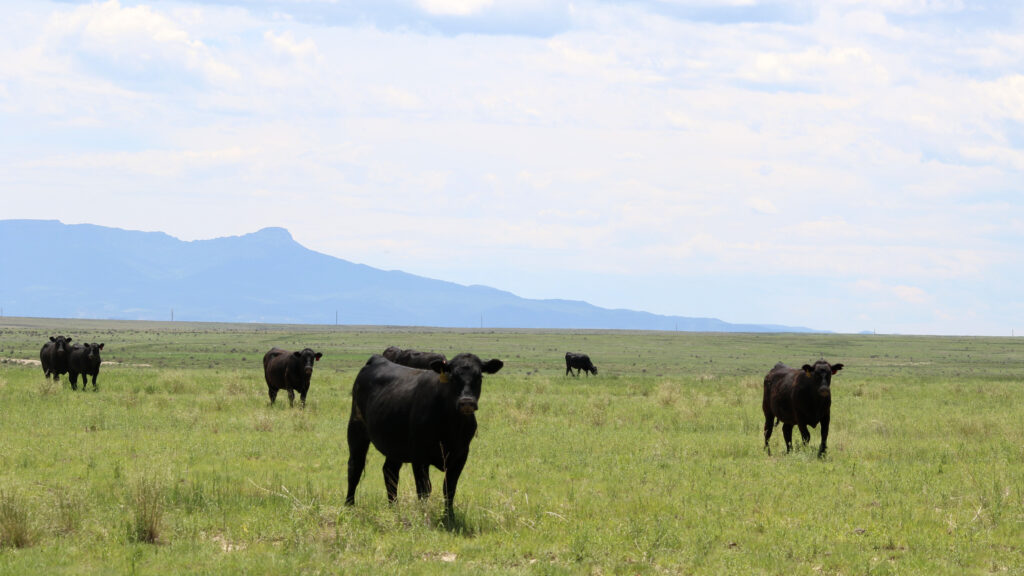
- Cattle grazing
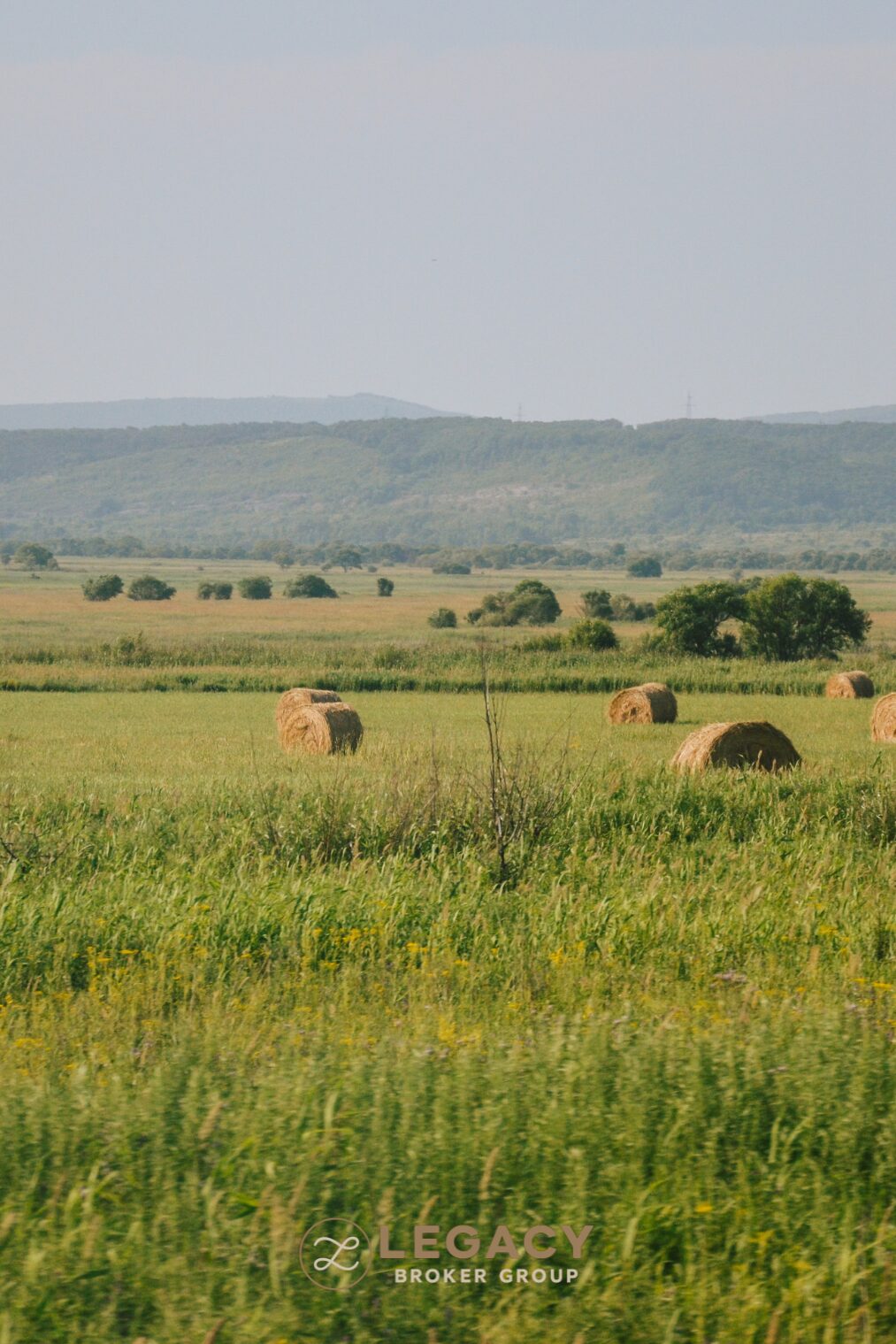
- Hay production
- Crop farming
- Beekeeping
- Timber production (under certain conditions)
- Wildlife management (with proper conversion)
The key word is legitimately used — and you have to be able to prove it.

Why Record-Keeping Is Non-Negotiable
Appraisal districts have the authority to review your agricultural exemption at any time. If they determine your land isn’t being actively and genuinely used for ag purposes, you could face:
- Loss of the ag exemption going forward
- Rollback taxes — up to 5 years of the difference between what you paid and what you would have paid at market value, plus interest
- Ongoing scrutiny on your property
Rollback taxes can be a devastating surprise, especially if you’ve recently purchased the land and weren’t aware of the maintenance requirements. This is exactly why we counsel every buyer at Legacy Broker Group to understand the exemption before they close.

The Records You Should Be Keeping
Here’s a practical breakdown of the documentation that protects your exemption:
🐄 For Livestock Operations
- Purchase/sale receipts for cattle, goats, sheep, or other livestock
- Vet bills and health records showing active herd management
- Feed and mineral supplement receipts
- Lease agreements if you’re leasing grazing rights to another rancher
- Stocking rate records (number of head per acre, per season)
🌾 For Hay & Crop Production
- Equipment purchase/maintenance receipts
- Fertilizer, seed, and chemical receipts
- Hay sale records or documentation of hay used on-property
- Fuel receipts tied to farming activity
🐝 For Beekeeping Operations
- Hive purchase receipts and registration
- Equipment invoices (supers, frames, protective gear)
- Honey harvest logs or sale records
- Maintenance logs showing regular hive activity
🦌 For Wildlife Management
- Approved Wildlife Management Plan (required when converting from ag to wildlife)
- Records of active wildlife practices (feeders, water sources, census counts, etc.)
- Annual activity logs — this one is critical and often overlooked
📋 General Best Practices for All Landowners
- Keep a simple activity log or journal — even a notes app on your phone works. Date, activity, and outcome.
- Store receipts digitally — a dedicated folder in Google Drive or Dropbox goes a long way.
- Take dated photos of your land throughout the year showing active agricultural use.
- File copies of any correspondence with your county appraisal district.
- Keep records for a minimum of 5 years to cover the rollback tax window.
Tips for Staying Organized Year-Round
You don’t need a sophisticated system. You just need a consistent one. Here’s a simple routine that works:
- Monthly: Drop receipts (digital or paper) into a labeled folder — “Ranch Expenses – [Month/Year]”
- Quarterly: Write a brief summary of agricultural activity (grazing, harvests, wildlife work, etc.)
- Annually: Review your records before January and make sure everything is in order before the appraisal district’s new year review cycle begins.
- At any transfer of property: Make sure new buyers receive a full records handoff and understand their obligations.
Buying Land? Ask About the Ag Exemption Up Front.
If you’re in the market for Texas land or ranch property, the ag exemption status should be one of the first questions on your list — not an afterthought. At Legacy Broker Group, we help buyers:
- Understand the current exemption status and history of the property
- Identify what activities qualify and how to transition smoothly
- Connect with local ag consultants and appraisal district contacts
- Plan for long-term land stewardship from day one
Whether you’re looking for a working cattle ranch, a hunting property, or a family legacy tract, we’re here to make sure you get the full value of what land ownership in Texas has to offer.

Have questions about ag exemptions, land purchases, or ranch management in Texas? Reach out to the team at Legacy Broker Group — we’re always happy to talk land.
Legacy Broker Group | Corporate Office
710 E Blanco Rd
Boerne, TX 78006
830-446-3378