

If you’re buying or selling property, you’ve probably come across deed restrictions—but are they a good thing or a deal-breaker? The answer isn’t always simple. It really depends on your goals, lifestyle, and long-term plans for the property. While deed restrictions can help protect property values and maintain neighborhood aesthetics, they can also limit your flexibility as a homeowner. To help you decide whether they’re a good or bad fit for you, let’s break down the pros and cons.

What Are Deed Restrictions?
Before diving into the advantages and disadvantages, it’s important to understand what deed restrictions actually are.
Deed restrictions, also known as restrictive covenants, are rules placed on a property that dictate what owners can and cannot do with the land or home. These restrictions are typically set by a developer, homeowners association (HOA), or a previous owner and are legally binding. More importantly, they stay with the property even when ownership changes, meaning all future owners must comply.

Common Restrictions Include:
✔️ Limits on home exterior colors and materials
✔️ Restrictions on certain types of structures (e.g., no mobile homes or detached garages)
✔️ Rules about fencing, landscaping, or tree removal
✔️ Prohibitions against running a business from home
✔️ Restrictions on short-term rentals (like Airbnb)
✔️ Guidelines on vehicle parking, including boats and RVs
✔️ Minimum square footage or design requirements for new construction
Now that we have a basic understanding, let’s explore the good and the bad of these restrictions.
The Good: How Deed Restrictions Benefit Homeowners
While some people may view deed restrictions as an inconvenience, they actually serve several important purposes. In many cases, they help preserve the look and feel of a community while also protecting property values.
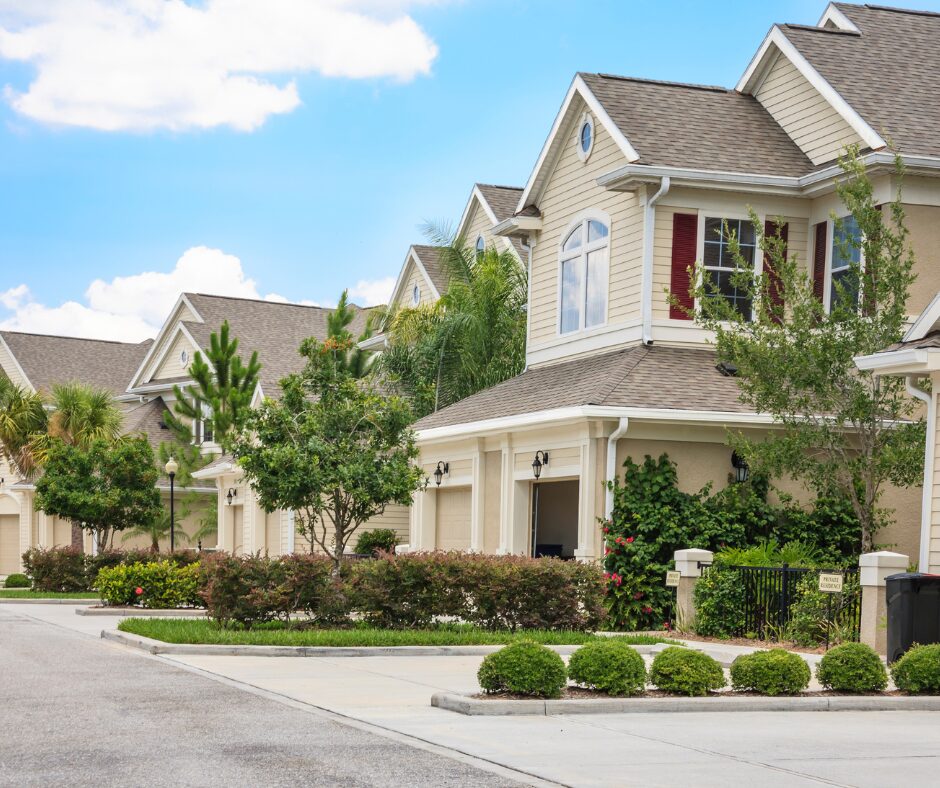
1. Maintain Neighborhood Aesthetics
First and foremost, deed restrictions prevent eyesores by ensuring homes adhere to a certain standard. This means no neon-colored houses, overgrown yards, or commercial-style buildings in residential areas. If you prefer a neighborhood with a cohesive and well-maintained appearance, deed restrictions can be a major plus.
2. Protect Property Values
In addition to keeping neighborhoods attractive, restrictions also help keep property values stable or increasing over time. Because they prevent poorly maintained properties or disruptive land use, buyers often feel more confident investing in these communities. After all, when homes in a neighborhood are well-kept, they typically sell for higher prices.
3. Reduce Conflicts Between Neighbors
Another key benefit is that deed restrictions help create a harmonious living environment. By setting clear guidelines, they prevent common neighborhood disputes—such as arguments over excessive noise, cluttered yards, or commercial businesses operating out of homes. As a result, residents enjoy a more peaceful and predictable atmosphere.
4. Enhance Community Desirability
Finally, many high-demand communities have deed restrictions because they attract buyers looking for a well-maintained, organized neighborhood. Whether it’s a gated community, a master-planned development, or an established suburban area, restrictions often create a sense of exclusivity and order—something that many buyers appreciate.
The Bad: When Deed Restrictions Feel Like a Hassle
On the flip side, restrictions can sometimes feel overly controlling. If you prefer flexibility in how you use your property, these rules might feel like an unnecessary burden.

1. Limits on Personal Freedom
For many homeowners, the biggest downside is that deed restrictions can limit creativity and personal choice. For instance, if you want to paint your house a bold color or add a guest house in the backyard, a restriction might prevent it. Consequently, if you value the ability to customize your home without restrictions, these rules could be frustrating.
2. Challenges for Investors & Short-Term Rentals
Similarly, many of these restrictions prohibit Airbnb-style rentals or multi-family housing. If you were hoping to rent out part of your property for extra income, these rules could significantly limit your earning potential. For investors or homeowners looking for flexibility, this can be a major drawback.
3. Restrictions Can Become Outdated
Additionally, what made sense years ago might not make sense today. Some older deed restrictions still ban solar panels or energy-efficient home improvements, even though these are now widely accepted and beneficial. Unfortunately, changing outdated deed restrictions isn’t always easy—it often requires legal action and agreement from multiple homeowners, which can be time-consuming.
4. Can Make Property Harder to Sell
Last but not least, deed restrictions can sometimes make a property less appealing to buyers. If the restrictions are too strict, they may turn off potential buyers who want more freedom in how they use their home. This is especially true for those looking to remodel, expand, or use the property for rental purposes.
So, Are Deed Restrictions Good or Bad?
Ultimately, it depends on your perspective and personal preferences. If you value a well-kept community, protected property values, and consistency, these restrictions can be a great thing. However, if you prefer more freedom to modify your home, rent it out, or use your property as you wish, deed restrictions could be a major drawback.
Before You Buy, Do Your Research!
📌 Carefully review the restrictions before purchasing a home.
📌 Ask about HOA enforcement—some are strict, while others are more lenient.
📌 Think long-term—do the rules align with your future plans for the property?
Thinking about buying or selling a home with deed restrictions? I’d love to help you navigate the process and find the perfect fit for your lifestyle. Let’s chat!