
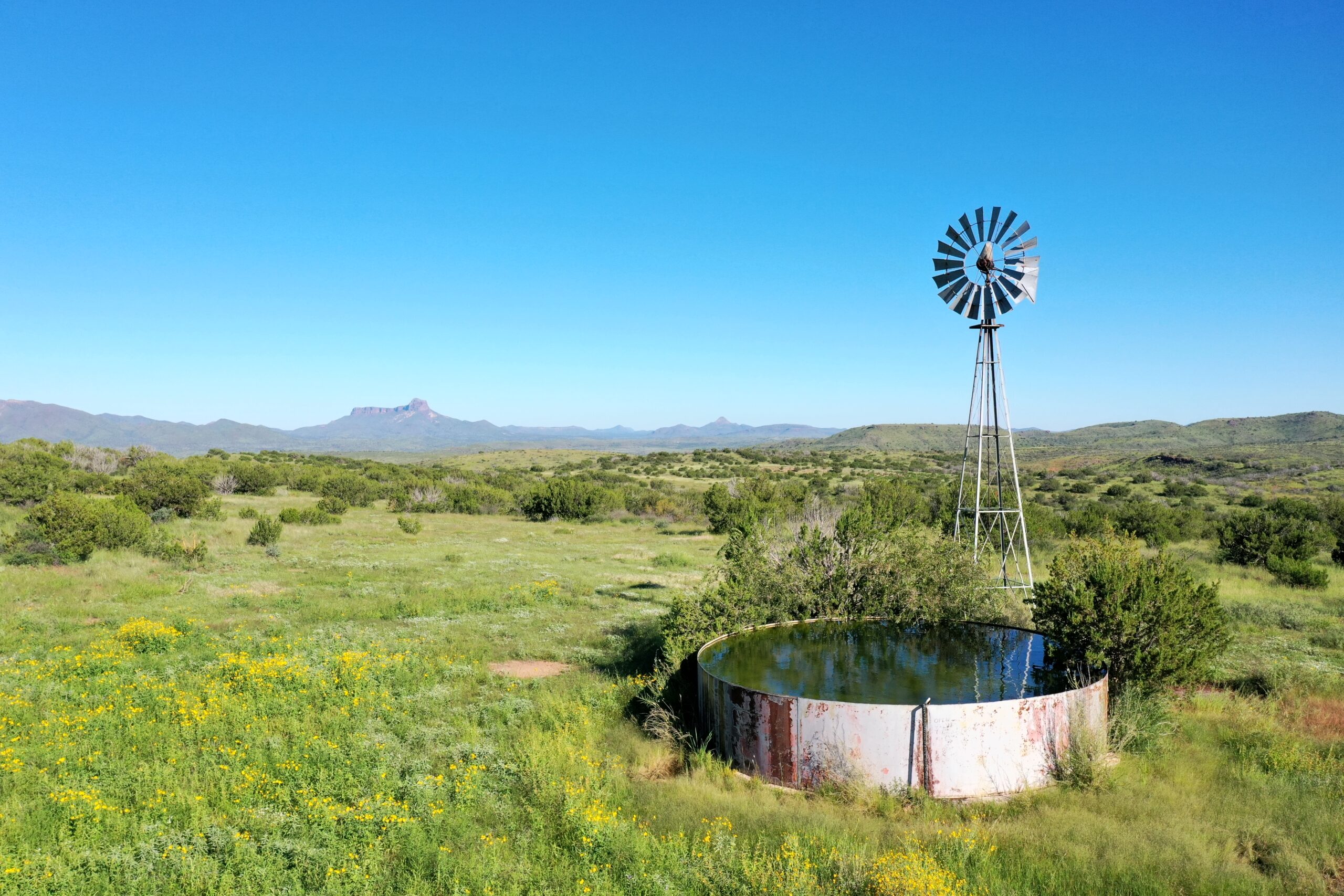
Water rights Far West Texas ranchers depend on determine much of a ranch’s long-term value, day-to-day viability, and legal standing in one of the most arid landscapes in the state. Whether you are looking at a working cattle operation north of Alpine or a recreational retreat south of Fort Davis, understanding how Texas groundwater law, surface-water permitting, and local conservation districts intersect with your deed is no longer optional — it is essential.
That urgency came into sharper focus in September 2026, when Pacifico Energy — the company developing a massive natural-gas-powered AI data center for Amazon in Pecos County — met with Brewster County officials about the possibility of a similar project on a roughly 8,400-acre ranch in the Glass Mountains northwest of Alpine. The proposal immediately raised questions about water availability Far West Texas ranches already face and underscored the statewide tension between private groundwater ownership and community water security. For anyone thinking about buying ranch with water rights in Texas, the Far West Texas front of these "water wars" deserves a close look.
How do water rights work on Texas ranches?
Texas draws a sharp legal line between surface water and groundwater, and every ranch buyer should understand the difference.
Surface water — rivers, streams, lakes, and their tributaries — belongs to the State of Texas. To divert it for anything beyond basic domestic and livestock use, a landowner generally needs a permit from the Texas Commission on Environmental Quality (TCEQ) under the prior-appropriation doctrine, sometimes called "first in time, first in right." That framework has been in place, in various forms, since the Legislature created the State Board of Engineers in 1913.
Groundwater operates under entirely different rules. Texas follows the rule of capture, a doctrine the Texas Supreme Court adopted in 1904. Under the rule of capture, a landowner owns the groundwater beneath the surface and may pump it — even if doing so draws water from beneath a neighbor’s land. The Texas Water Resources Institute at Texas A&M has noted that because of this doctrine, Texas groundwater law is sometimes called "the law of the biggest pump." However, a landowner may not pump maliciously, deliberately waste water, or cause contamination or land subsidence through negligence.
The groundwater estate, like a mineral estate, can be severed from the surface estate. That means a seller can sell the land but reserve the water, or vice versa. If you are buying ranch with water rights in Texas, verifying that the groundwater estate has not been severed from the surface estate is one of the first tasks your attorney should handle. For a broader overview of how these doctrines play out statewide, our post on water rights in Texas for landowners is a good starting point.

What role do groundwater conservation districts play in Far West Texas?
Texas groundwater rights for landowners are shaped at the local level by Groundwater Conservation Districts (GCDs), which the Texas Water Code designates as the state’s preferred method of groundwater management (Texas Water Code § 36.0015). GCDs can regulate well spacing, set production limits, require permits, and — critically for rural landowners — restrict the transport of water out of their boundaries.
Far West Texas is covered by several GCDs that together form Groundwater Management Area 4. The Brewster County Groundwater Conservation District was created through a confirmation election on November 6, 2001, and covers the county’s 6,193 square miles. It manages production from the Marathon, Igneous, Capitan Reef, Edwards-Trinity, and Santa Elena aquifers and requires all groundwater pumped under production permits to be metered.
The Jeff Davis County Underground Water Conservation District was created by voters in 1993 and was the first groundwater district in the immediate area. It originally covered parts of neighboring counties because ranchers with land straddling the Jeff Davis County line wanted their entire operations protected. If you want to buy ranch in Jeff Davis County TX, know that this district has enacted a production limit of two acre-feet of water per acre of land — a straightforward cap that directly affects how much water a permitted well can produce. See Jeff Davis County ranches and land for sale for current listings in that area.
The Presidio County Underground Water Conservation District was created in the same legislative session but was not confirmed by voters until 1999. Its known groundwater resources lie within the Presidio-Redford Bolson, Ryan Flat West Texas Bolson, and Igneous aquifers. Anyone looking to buy ranch in Presidio County TX should review the district’s current permitting rules with their attorney, because Presidio County water rights are governed locally and conditions can vary significantly from one aquifer to the next. Browse Presidio County ranch listings for properties in that part of the region.
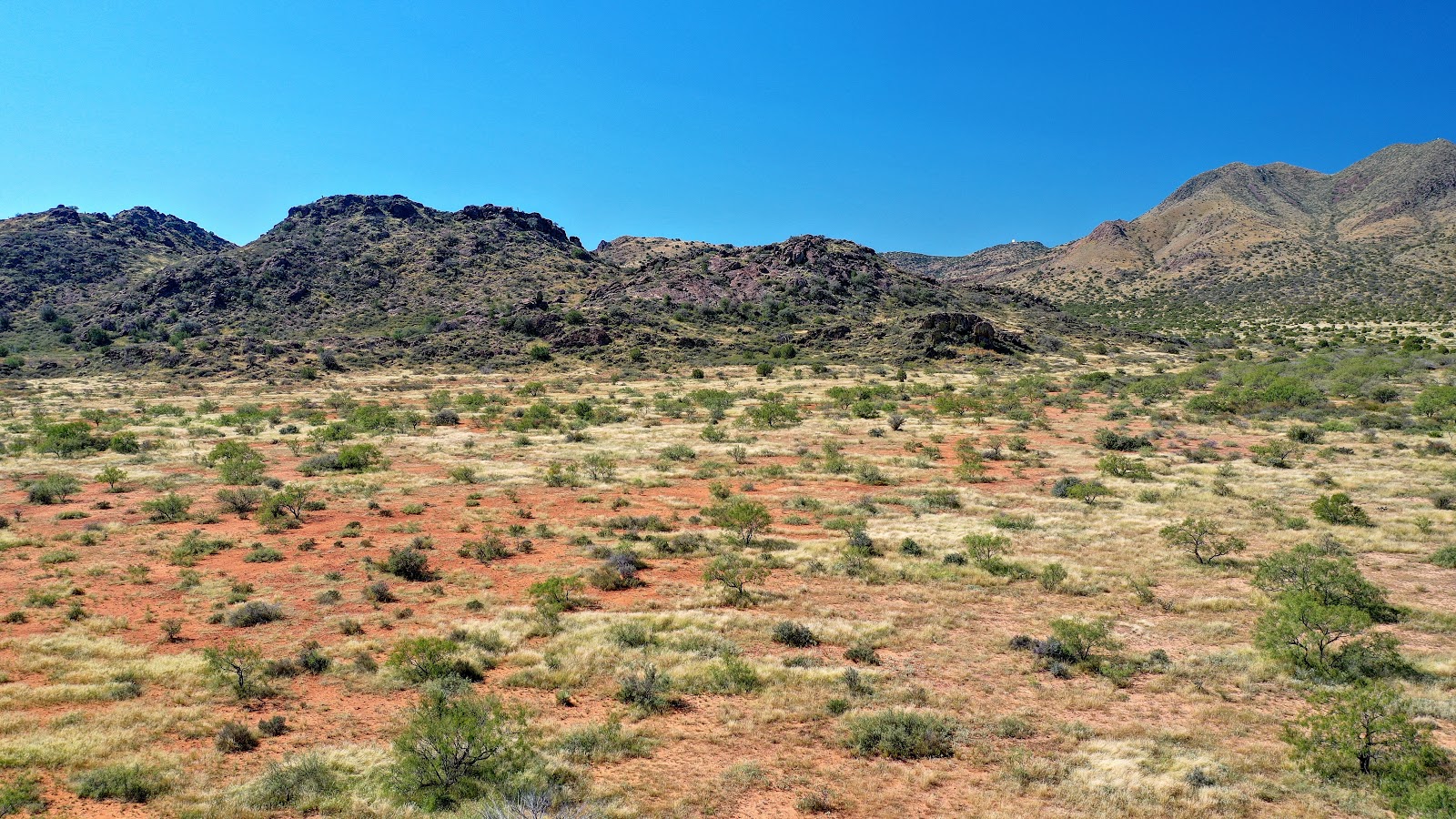
Why is water availability a growing concern for Far West Texas ranches?
Water availability Far West Texas ranches depend on is finite, and multiple new demands are converging on the same aquifers.
In September 2026, Pacifico Energy met with Brewster County officials to discuss building a data center and natural-gas power plant on an approximately 8,400-acre ranch in the Glass Mountains. Pacifico is already developing the 7.65-gigawatt "GW Ranch" facility in neighboring Pecos County — what the company calls the largest natural-gas plant planned in the United States, powering an Amazon data center campus. Nationally, a medium-sized data center can consume roughly 110 million gallons of water per year for cooling; larger facilities may use up to five million gallons per day.
At the Brewster County meeting, Pacifico representatives said the proposed facility would use a closed-loop water system that initially draws a large volume of water and then recycles it over a period of years. The company is also exploring the use of produced water, an oil-and-gas byproduct that TCEQ is still determining how to regulate, and is assessing local aquifers for groundwater withdrawal. Brewster County Judge Greg Henington told attendees the county would be "very sensitive, extremely sensitive to water usage."
Adding another layer, the specific area Pacifico is evaluating has already been targeted by an outside water district seeking to export groundwater from the La Escalera Ranch, which stretches across Pecos and Brewster counties. These overlapping pressures — data-center cooling, potential water exports, and the existing demands of ranching and municipal supply for Alpine — illustrate why water wars Texas ranch land discussions are intensifying in the region.
For a look at the kinds of ranches available in this landscape, explore our Far West Texas ranches for sale page or visit our Alpine–Far West Texas office.
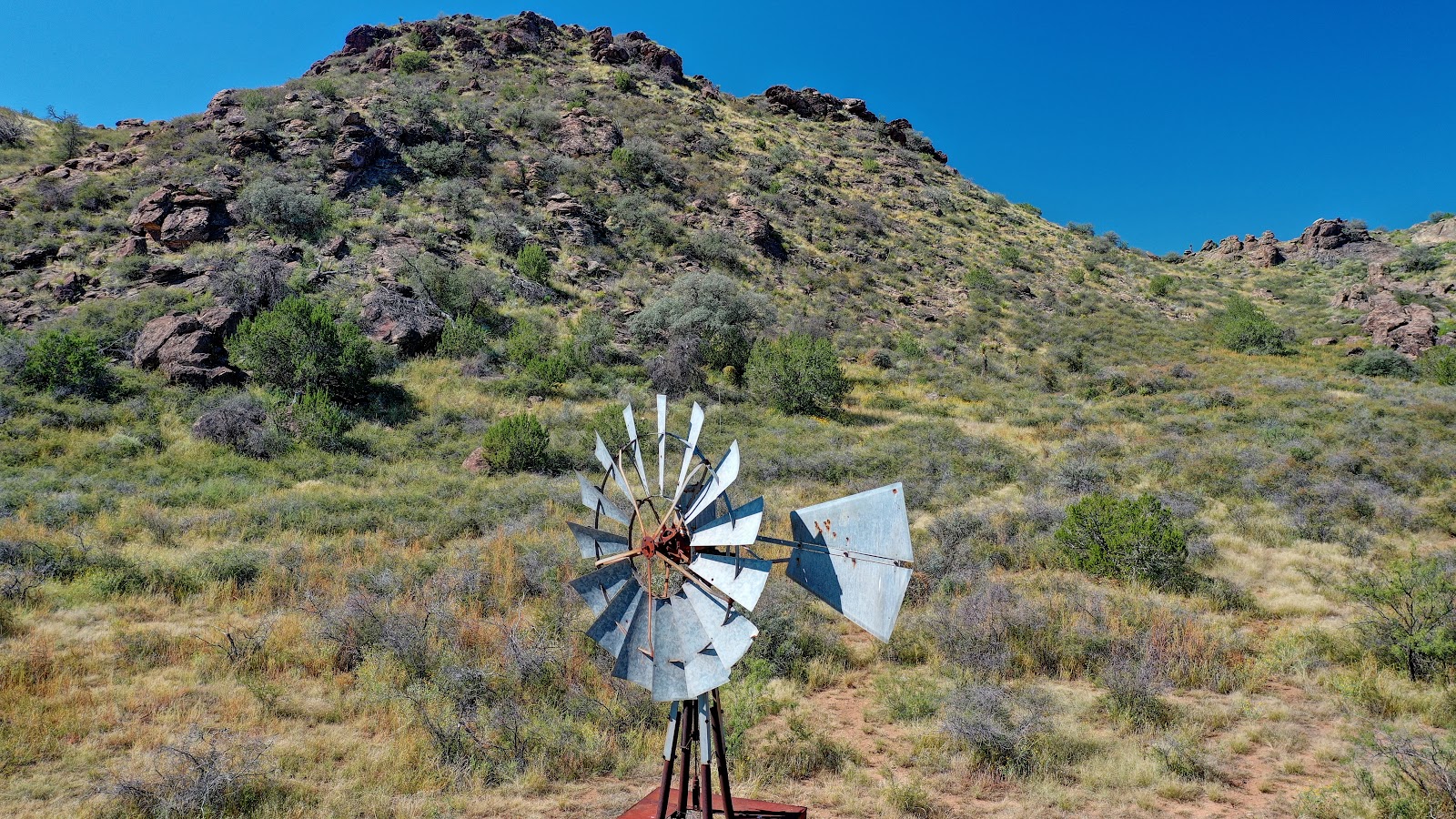
Does my Texas ranch have water rights?
If you already own a ranch, the answer starts with your deed. Under Texas law, a landowner generally owns the groundwater beneath the surface as a vested property right — unless the groundwater estate has been severed and sold or reserved by a prior owner. Your title company or attorney can run a title search to determine whether any prior conveyance separated the water from the land.
Surface-water rights are a different matter. Because surface water belongs to the state, owning riverfront or creek-front land does not automatically grant you the right to divert that water for irrigation or commercial purposes. You would need to check with TCEQ for any existing water-right permits attached to the property and determine whether the previous owner’s permits are transferable.
Finally, check whether your ranch lies within a GCD. If it does, the district may require you to register existing wells, obtain production permits for new wells, and meter your pumping. In Brewster County, for example, the GCD has issued fifteen production permits for irrigation, industrial, and municipal purposes. Even if your ranch sits outside a GCD’s boundaries — and a handful of Texas counties remain uncovered — the rule of capture still applies, but without district oversight there is less protection against large-scale pumping by neighbors. If you are assessing a ranch you already own, requesting a broker price opinion can help you understand how water resources factor into current market value.
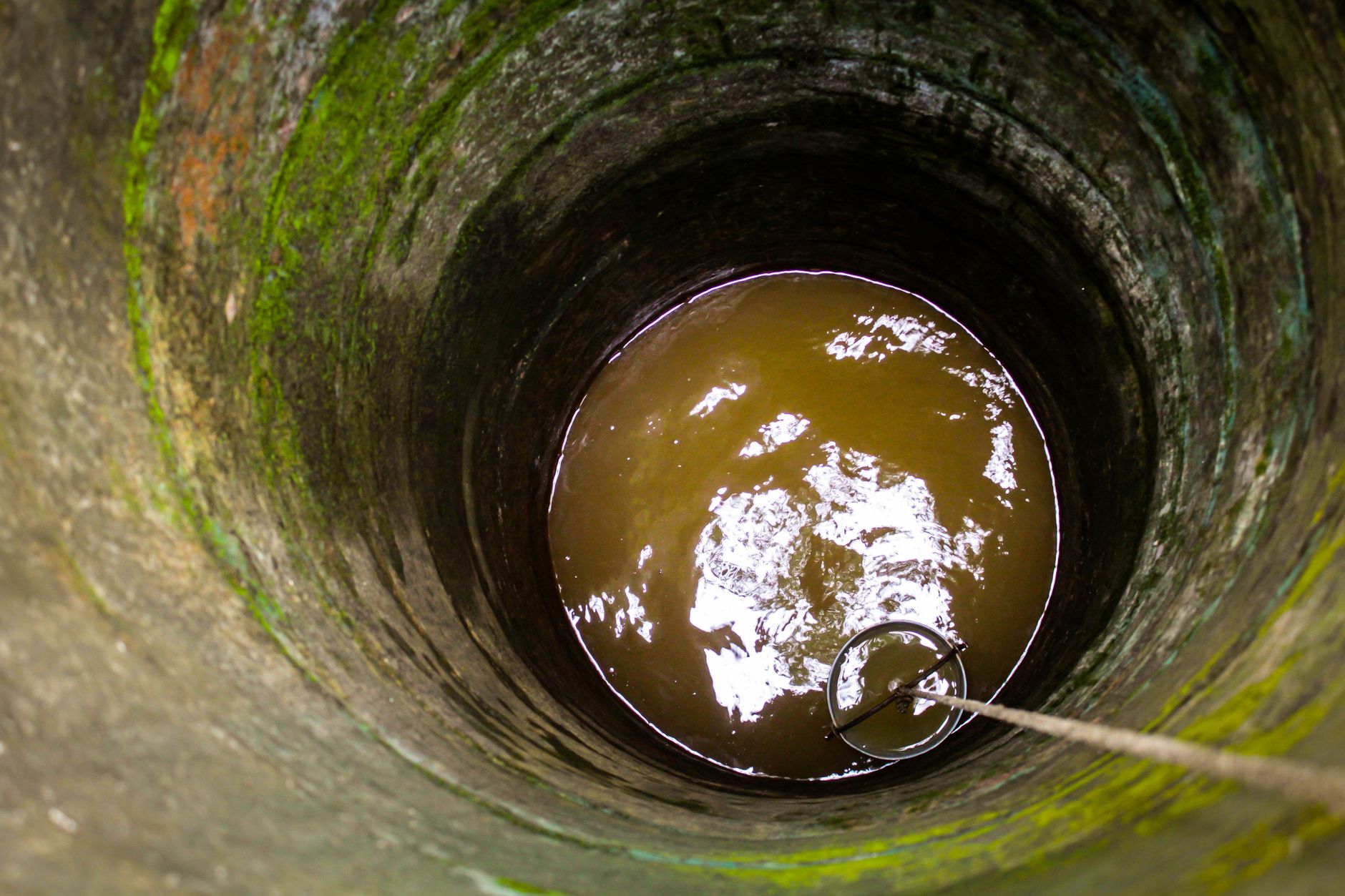
How do water rights affect the value of Texas ranch land?
Water is increasingly treated as a separate asset class on ranch transactions. A ranch with strong, documented groundwater — permitted wells, reliable aquifer data, and no severed water estate — will typically command a premium over comparable acreage without those features. Conversely, land where the water estate has been severed, where wells are shallow or unreliable, or where a GCD has imposed tight production limits may trade at a discount.
The reason is straightforward: without adequate water, a ranch cannot sustain livestock, support wildlife habitat for hunting leases, maintain food plots, or supply a residence. In the arid stretches of Brewster, Jeff Davis, and Presidio counties, where annual rainfall can be sparse and surface water is scarce, groundwater is often the only dependable source. That makes Texas groundwater rights for landowners not just a legal technicality but a core driver of value.
Buyers evaluating Far West Texas ranches for sale with water should ask the seller for well logs, pump-test data, and any GCD permits or correspondence. They should also request the Texas Water Development Board’s groundwater-availability model data for the relevant aquifer. According to the Brewster County GCD’s management plan, the estimated precipitation recharge to the Igneous Aquifer within the district is approximately 6,584 acre-feet per year — a useful baseline for understanding long-term supply. For broader guidance on evaluating a purchase, our post on buying a ranch in Texas covers the full checklist.
What is the rule of capture and why does it matter for ranch buyers?
The rule of capture is the foundational doctrine of Texas groundwater law. Established by the Texas Supreme Court in 1904, it holds that a landowner has the right to pump groundwater from beneath the surface — even if that pumping draws water from under a neighbor’s property. The neighbor’s remedy, as the court put it, was to drill a bigger, deeper well.
That doctrine matters enormously when large-scale users enter a region. Historically, neighboring ranchers drew similar volumes, and the shared aquifer was adequate. But when a single operator seeks to pump thousands of acre-feet for export or industrial use — as has been proposed in various parts of Texas, from East Texas to the Permian Basin — the rule of capture can leave smaller users exposed. Groundwater conservation districts were created precisely to impose local checks: production limits, well-spacing rules, and export fees.
Buyers should understand that even within a GCD, the rule of capture is not eliminated; it is modified. A district may limit your pumping to a set number of acre-feet per acre of land, require a permit before you drill, and charge fees on water transported out of the district. None of that changes the underlying ownership — you still own the water in place — but it shapes how much you can practically use. If you are weighing ranches across the broader region, compare West Texas ranches and Austin–Waco–Hill Country ranches to see how water conditions vary from one Texas A&M land region to another.
What should buyers look for when buying ranch with water rights in Texas?
A methodical water due-diligence process can save a buyer from costly surprises. Here is what we recommend:
- Title search for groundwater-estate severance. Confirm the water has not been separated from the surface estate in a prior deed. Your attorney should trace the chain of title specifically for water.
- GCD status. Determine whether the property is within a groundwater conservation district and, if so, which rules apply. In Brewster County, the GCD covers the entire county. In Jeff Davis County, the district’s production limit is two acre-feet per acre. Presidio County has its own district with its own rules.
- Well records and permits. Obtain copies of all existing well registrations, production permits, and any GCD correspondence. Ask the seller for pump-test results, static water-level measurements, and historical production data.
- Aquifer data. Request the TWDB’s groundwater-availability model output for the aquifer beneath the property. Understand the estimated recharge rate and any desired-future-condition drawdown targets set by the GMA.
- Surface-water rights. If a creek, river, or spring is present, determine whether a TCEQ surface-water permit is attached to the property and whether it is transferable.
- Neighboring land uses. Investigate whether nearby properties have applied for or received large production permits, or whether any export proposals are pending. In Far West Texas, data-center proposals and water-export projects can significantly change the demand picture.
Our Land & Ranch division works with buyers on these questions every day, and our agents understand the specific aquifer and district dynamics of Far West Texas and beyond. If you want to buy ranch in Brewster County TX and need guidance on water due diligence, contact our team to start the conversation.
Frequently Asked Questions
Texas surface water belongs to the state and requires a TCEQ permit for most uses. Groundwater is owned by the landowner under the rule of capture, but local groundwater conservation districts may regulate well drilling, production volumes, and water exports. The groundwater estate can be severed from the surface estate, so buyers should verify ownership through a title search.
In most cases, yes — Texas landowners own the groundwater beneath their property unless the water estate was severed in a prior deed. Check your title for any severance, verify well registrations with your local GCD, and confirm any TCEQ surface-water permits associated with the property.
The rule of capture, established by the Texas Supreme Court in 1904, allows a landowner to pump groundwater from beneath their property even if it affects a neighbor’s supply. Groundwater conservation districts can modify this rule through production limits, well-spacing requirements, and export restrictions.
Brewster, Jeff Davis, and Presidio counties each have their own GCDs, and all three participate in Groundwater Management Area 4. The Brewster County GCD was confirmed by voters in 2001, the Jeff Davis County district in 1993, and the Presidio County district in 1999.
Water is a primary value driver for ranch land in arid Far West Texas. Ranches with documented, permitted groundwater resources typically command higher prices, while properties with severed water estates, unreliable wells, or tight GCD production limits may sell at a discount.
Brewster County lies within a GCD that manages five aquifers and requires metered production permits. Buyers should also be aware of proposed data-center developments and groundwater-export projects that could increase demand on local aquifers. Work with an attorney and your broker to evaluate well data, GCD rules, and neighboring permit activity.
Yes. Like mineral rights, the groundwater estate can be severed from the surface estate and sold, leased, or pledged as collateral independently. Once severed, the water owner may transport captured water off the property. Buyers should always confirm through a title search that the water estate conveys with the land.
In September 2026, Pacifico Energy approached Brewster County officials about a potential data center on an approximately 8,400-acre ranch in the Glass Mountains. Data centers require substantial water for cooling — nationally, large facilities may consume up to five million gallons per day. The proposal is in early feasibility stages, but it highlights growing competition for the region’s limited groundwater.
Sources
- Developer behind Amazon’s Pecos County data center approaches Brewster County officials
- Developer behind Amazon’s Pecos County data center approaches Brewster County officials (KEDT reprint with additional detail)
- Did You Know? Q&A with Tiffany Dowell — Texas Water Resources Institute
- Basics of Texas Water Law — Texas A&M AgriLife Extension
- The basics of groundwater law in Texas — Texas Living Waters
- About BCGCD — Brewster County GCD
- Brewster County GCD Groundwater Management Plan (TWDB)
- Our Water Matters — Big Bend Sentinel (Sept 2025)
- Our Water Matters — Big Bend Sentinel (March 2022)
- Presidio County UWCD Management Plan (TWDB)
- Texas Water: Basics of Surface Water Law — Texas A&M AgriLife Extension
- Groundwater Management Area 4 — TWDB
- Data Centers and Water Consumption — EESI
- Water capture — Texas State Library and Archives
- Spotlight on GCDs — Hill Country Alliance / Texas Living Waters (2005 Update)