
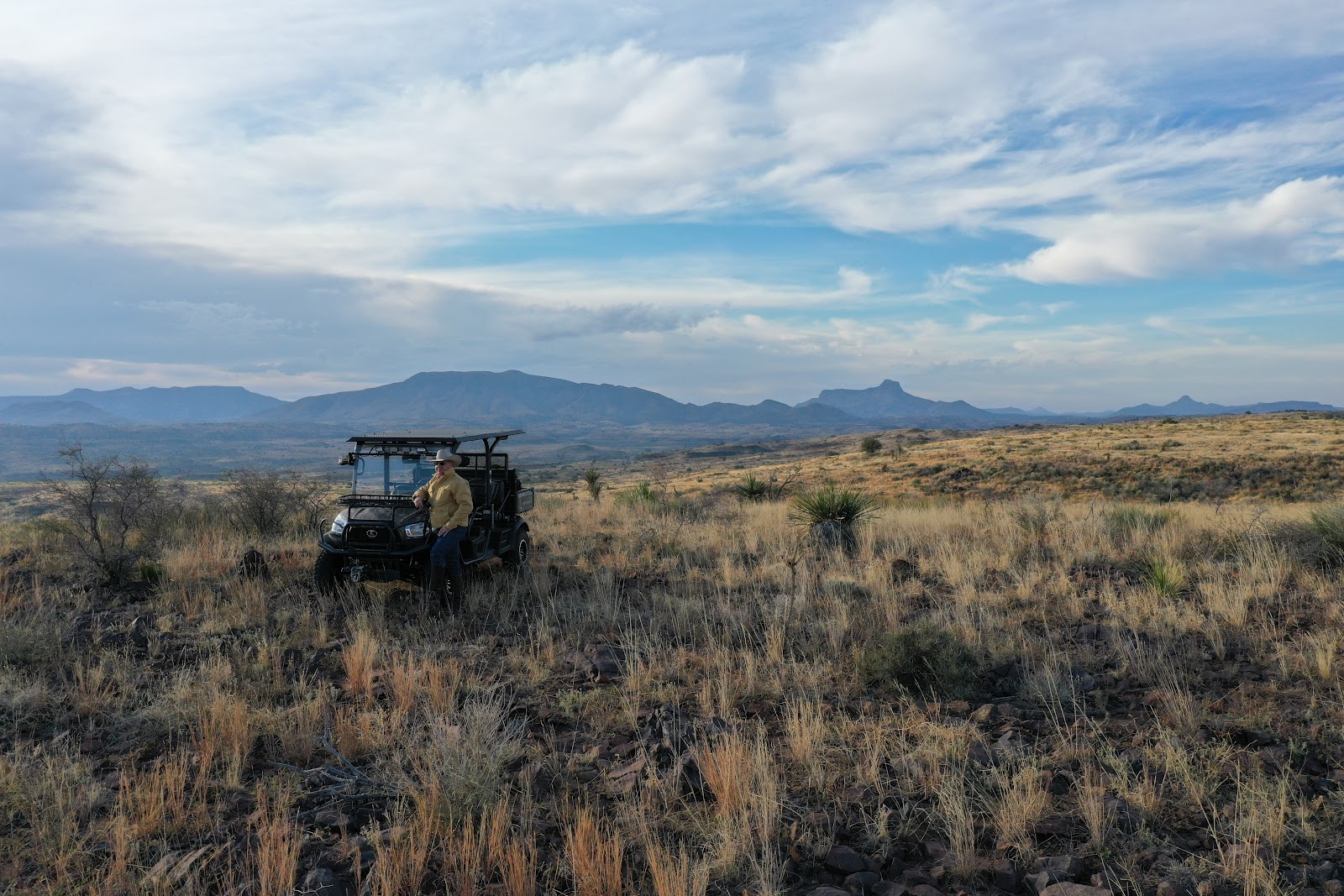
Evaluating raw land in Texas means confirming four things before you commit: where the water comes from, how you legally reach the tract, what utilities cost to bring in, and what the survey shows.
Open Texas land gets people dreaming. It might be a weekend place in the Hill Country, a future homesite, a hunting property or a long-term hold. But raw land is not like buying a house. There is no inspection report or finished kitchen, and often nothing on the ground that tells you what you are really getting. The good news is that a careful process answers most of your questions before your money is at risk. Here is how our Land & Ranch team helps buyers evaluate raw land in Texas, starting with the question that shapes everything else: water.
How do you check the water on raw land in Texas?
Start by finding out where the water will come from: an existing well, a new well, a water supply corporation or utility, or surface water. Then find out which rules apply to each one. In Texas, groundwater and surface water follow completely different laws, so you need to answer both questions separately.
For groundwater, the first local authority to look up is the groundwater conservation district. The Texas Water Development Board counts 98 groundwater conservation districts in the state. Together they cover nearly 70 percent of Texas, partly or fully inside 173 of the 254 counties. These districts can regulate how far apart wells must be, how much a well can produce, or both. That means the rules for a new well can change when you cross a county line. Where no district exists, the traditional rule of capture generally still governs. If a tract already has a well, ask how deep it is, what it produces, when the water was last tested, and whether it is registered with the district. If there is no well, call local drillers and the district office. Depths and yields can vary a lot from one property to the next.
For surface water, the rule is simple and often misunderstood. Under Texas law, surface water belongs to the state. Without a permit from the Texas Commission on Environmental Quality (TCEQ), landowners may use it only for domestic and livestock purposes. Diverting a creek to irrigate, or filling a pond for some other use, generally takes a TCEQ water right. So a creek, a stock tank or river frontage can add real value and enjoyment, but water rights never come automatically with water features. Check whether the creek runs year-round or only after a good rain, and whether the dam on the pond is in good repair. For a closer look at how this plays out in dry country, see our guide to water rights for Far West Texas ranch buyers.
If the tract sits in the service area of a water supply corporation or utility, confirm with that provider whether a meter already exists, what the tap or membership fees are, and whether service actually reaches the property line. Texas Water Code Section 13.257 requires sellers of property inside a certificated water or sewer service area to give the buyer a written notice. The notice warns that special costs may apply and that lines may have to be built before service is available. Treat that notice as a reason to call the provider, not a box to check.
How do you confirm legal and physical access to Texas acreage?
Legal access means the tract either fronts a public road or has a recorded easement across the neighboring land. Physical access means you can actually drive in, in every season. You need both, and a good view never makes up for missing either one.
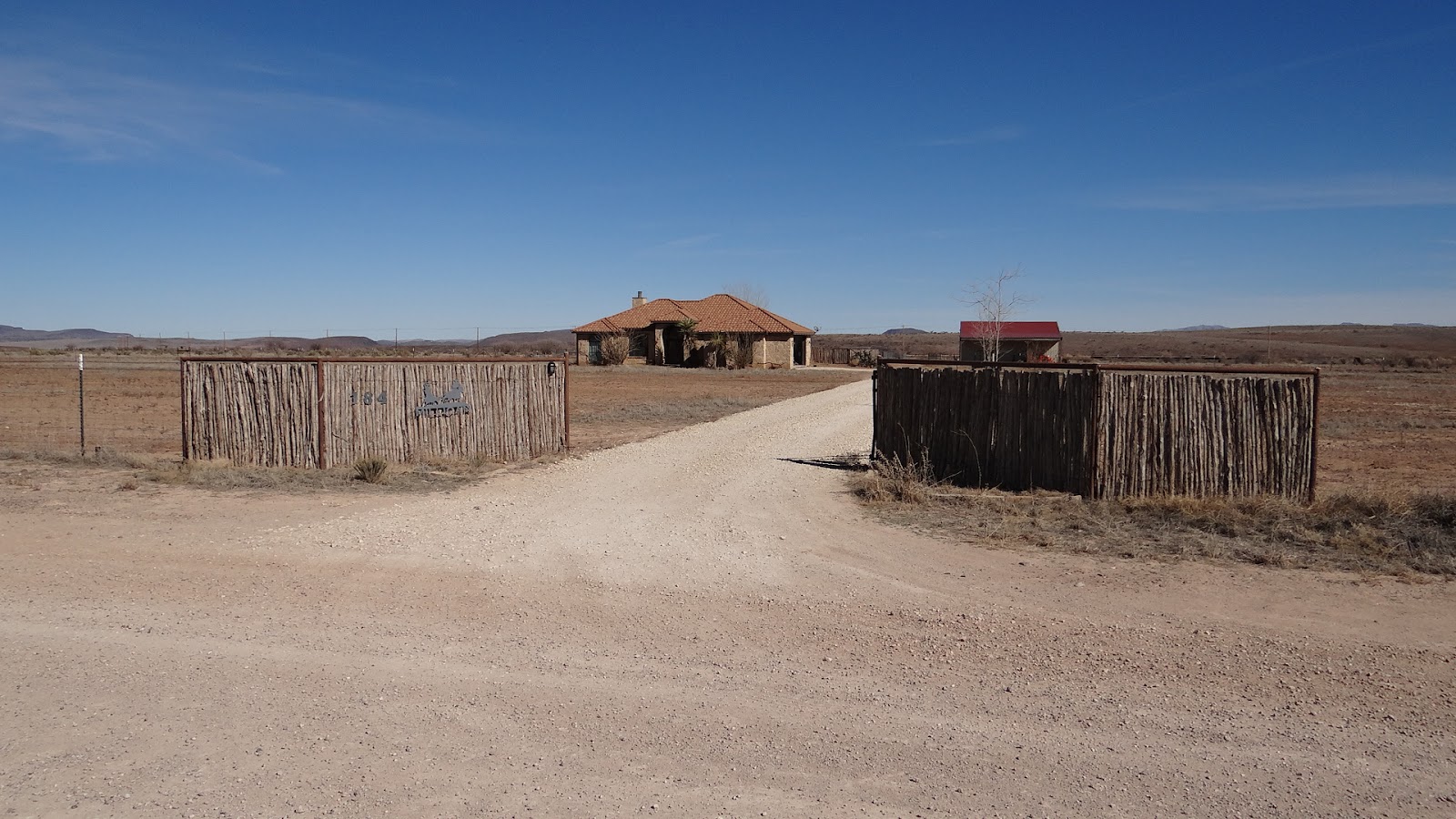
A landlocked tract, or one whose access rests on a handshake, is among the most expensive surprises in rural real estate. Ask your title company to show you how access is insured in the title commitment, and ask your surveyor to show the easement on the plat. If the access road is private, find out who maintains it and whether a written road maintenance agreement exists. A caliche road that is fine in July can be impassable after a heavy rain, and low-water crossings and creek beds can cut off a homesite exactly when you need to get out.
New entrances need their own homework. If the tract fronts a state highway, the Texas Department of Transportation requires a permit before you build a new driveway connection, and that includes farm-to-market roads. The application, TxDOT Form 1058, goes to the local TxDOT district office and is filed by the property owner or an authorized representative. On county roads, ask the county about culvert and entrance requirements before you budget for a gate, a cattle guard or a new drive.
What utilities should you verify before buying raw land?
Assume nothing. Confirm electric service, wastewater, connectivity and fuel directly with each provider, for the building site you actually plan to use. The cost of bringing services to a remote homesite can change the math on an otherwise great tract.
For electricity, find out which provider serves the area, how far the nearest line is from your planned building site, and what extending service would cost. Ask the provider for a written estimate rather than relying on a general answer. For connectivity, check what is available at the homesite itself, not in the nearest town. Fixed wireless and satellite options have improved, but coverage still varies from hilltop to creek bottom. Propane is common in rural Texas, and trash service may mean a county drop-off site or a private hauler. These are small details, but they are part of daily life on the land.
Septic deserves the most attention, because the soil decides it. TCEQ’s rules require a licensed site evaluator or a licensed professional engineer to evaluate a site before a septic system (an on-site sewage facility, or OSSF) can be built. TCEQ also notes that in many parts of Texas, soil analysis rules out a conventional system, which leaves a more expensive alternative design. Slope, rock, nearby wells and water features, and flood hazard areas all affect what will be allowed. If you plan to build, a site evaluation during your due diligence is money well spent.
What does a land survey tell you before you buy?
A current survey turns the legal description into lines on the ground. It shows where the corners are, how many acres you are actually buying, and what easements or encroachments affect the tract. For a land purchase, it is one of the most important documents you will review.
Fence lines are not always property lines, especially on older ranches where fences followed the easiest ground rather than the deed. A boundary survey will show whether a neighbor’s fence, barn or driveway crosses the line, or whether yours does. Read the survey together with the title commitment. Between them they show utility, road and pipeline easements and other rights held by others, which can limit where you build, fence or clear.
For oil and gas infrastructure, the Railroad Commission of Texas runs a free Public GIS Viewer that maps wells and pipelines statewide. It is a quick way to spot a pipeline corridor or a plugged well before your surveyor is on site. Look at FEMA flood maps too, then walk the property after a rain if you can. Texas is no stranger to flash flooding, and how water moves across a tract matters for homesites, roads and septic fields.
Finally, ask whether the minerals convey, are reserved by the seller, or were severed long ago. Mineral ownership affects what can happen on the surface, and it is a question for your title company and your attorney before closing.

What else should you check before closing on raw land?
Beyond the big four, check deed restrictions, county and city rules, the property tax status, and what is happening on neighboring land. Any one of them can quietly limit how you use the property.
Deed restrictions and owners’ association rules can limit building size, livestock, subdividing or short-term rentals. Our post on what deed restrictions mean for buyers walks through the trade-offs. Land inside city limits or a city’s extraterritorial jurisdiction may face extra rules, so confirm with the city and county planning offices.
Property tax status matters a great deal on rural land. Many tracts carry an open-space agricultural appraisal under Section 1-d-1 of the Texas Tax Code. According to the Texas Comptroller, if land receiving that appraisal changes to a non-agricultural use, the owner who changes the use owes a rollback tax for each of the previous three years. Since House Bill 3833 took effect on June 15, 2021, interest applies only if the rollback taxes become delinquent. A sale by itself does not trigger a rollback, but a new owner generally must file a new application with the appraisal district, and the qualifying use has to continue. If you want to keep the valuation, read our comparison of agricultural and wildlife valuations, then confirm the details with the county appraisal district and your CPA.
Last, look past the fence. Quarries, feedlots, oil and gas activity, planned highways and new subdivisions can all change how a property feels and what it is worth over time.

How does this checklist change between the Hill Country and Far West Texas?
The four questions stay the same everywhere, but the answers change sharply by region. Our offices see that every week, from Boerne in Kendall County to Alpine in Brewster County.
In the Austin-Waco-Hill Country region, buyers looking to buy land in Kendall County TX are often weighing small to mid-size tracts near growing towns. There, the practical questions are usually which groundwater district governs a new well, whether a water supply corporation can serve the tract, how rock and slope affect the septic design, and whether deed restrictions apply. Browse current Kendall County land and ranches for sale to see how those factors show up in real listings.
In the Far West Texas region, the scale and the questions change. Buyers who want to buy land in Brewster County TX often look at larger, more remote tracts, where access roads, distance to power, and the depth and reliability of groundwater can matter more than anything else. Brewster County has its own groundwater conservation district, which makes it an important early call. Explore Brewster County land and ranches to see the range, from small tracts to full ranches.
How should you use the option period on a Texas land contract?
Use the option period as your due diligence window. Order the survey, call the utility providers, check the groundwater district and talk to the county while you can still walk away for any reason.
In the Texas Real Estate Commission’s unimproved property contract, the buyer pays an option fee in exchange for an unrestricted right to terminate within a set number of days after the effective date. The earnest money and option fee go to the escrow agent within 3 days after the effective date. A termination notice must arrive by 5:00 p.m., local time where the property is located, on the deadline. If you terminate in time, the earnest money is generally refunded and the option fee is not. Both the fee and the number of days are negotiable, and raw land often justifies a longer window than a house does. Line up your surveyor, site evaluator, well driller and title company before you sign, so the clock works for you. Have your attorney review contract terms you are unsure about. For the bigger picture, see what to know about buying a ranch in Texas.
Work with a land team that knows the ground
Every tract of Texas land has its own story, and the right questions early on save time, money and frustration later. Our agents work with land and ranch buyers and sellers across Texas, from the first showing to the closing table, and we are glad to help you build a due diligence plan for the property you have in mind.
Thinking about buying or selling acreage? Contact our Land & Ranch team and we will help you find land that fits your vision. This article is for general information only and is not legal, tax or engineering advice. Requirements and costs vary by location, so confirm the specifics for your property with an attorney, CPA, surveyor, title company, well driller or your county appraisal district.
Frequently Asked Questions
Start with water, because it shapes everything else. Find out whether there is a well, a water supply corporation or surface water, and which groundwater conservation district, if any, governs a new well. Then confirm legal access, utilities and a current survey.
Not automatically. Surface water in Texas belongs to the state, and without a TCEQ permit a landowner may generally use it only for domestic and livestock purposes. Confirm any existing water rights with your title company and attorney.
It depends on the groundwater conservation district. Texas has 98 districts, and they can regulate well spacing, production or both, so call the district that covers the tract before you drill.
Confirm which groundwater district and water provider serve the tract, have a licensed site evaluator check the soil for septic, review any deed restrictions, and get a current boundary survey. Check the appraisal district record too, to see whether the land carries an agricultural or wildlife valuation.
Focus on legal and year-round physical access, the distance to electric service, and groundwater. Brewster County has its own groundwater conservation district, so contact it early. A current survey is especially important on large, remote tracts.
A sale by itself does not trigger a 1-d-1 rollback; a change to a non-agricultural use does. Rollback covers the previous three years. A new owner generally must file a new application, so confirm with the county appraisal district and your CPA.
There is no fixed length. The buyer and seller negotiate the number of days and the option fee. Raw land usually needs enough time to order a survey, a septic site evaluation and utility estimates.
Sources
- Groundwater Conservation District Facts – Texas Water Development Board
- TWDB grants advance groundwater science and management – Texas Water Newsroom (July 2026)
- Groundwater Conservation Districts map legend – TWDB
- A Guide to Water Rights in Texas – THLG
- Water Ownership FAQ – Texas Groundwater Protection Committee
- Texas Water Code 13.257 Notice to Purchasers – FindLaw
- MUD and CCN Notices – Texas REALTORS
- Choosing a Septic System – TCEQ
- Basics for Septic Systems – TCEQ
- Access Management Manual, Driveway Permits – TxDOT
- How to Complete and Submit TxDOT Form 1058 – LegalClarity
- Public GIS Viewer – Railroad Commission of Texas
- Agricultural, Timberland and Wildlife Management Use Special Appraisal – Texas Comptroller
- Rollback FAQ – Collin Central Appraisal District
- Texas Ag Exemption (1-d-1) Guide – Texas Land Consultants