
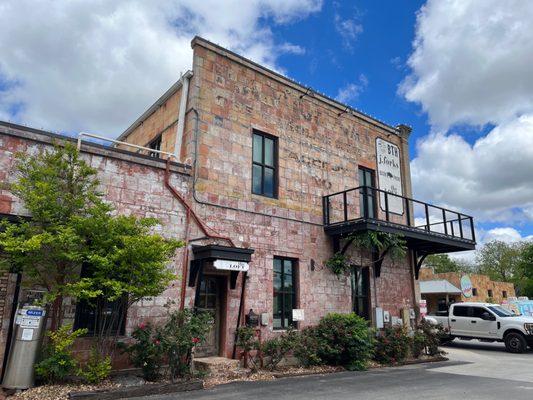
Small-town Texas commercial property is business-use real estate in a rural community, and investors should judge it on four things first: steady demand, road access, water and septic capacity, and a realistic exit.
In a county seat of a few thousand people, one storefront, motel or highway pad site can matter more to the local economy than a whole strip center does in a metro area. That cuts both ways. Purchase prices can be easier to swallow and the competition is thin, but so is the pool of tenants and future buyers. Below, we walk through what our commercial team checks first when a client looks at a small-town deal. We use Far West Texas towns like Marfa and Fort Davis as examples, but the same questions apply in courthouse squares across the state.
What makes a small-town Texas commercial property worth buying?
It’s worth buying when customers have a reason to show up that doesn’t hang on a single employer: a county courthouse, a well-traveled highway, or a destination that pulls visitors from far away. Without one of those anchors, even a cheap building can sit empty for years.
Look at Far West Texas, one of the seven Texas A&M land regions. Marfa is the county seat of Presidio County and had 1,788 residents in the 2020 Census. Its appeal reaches well past that number, because the town has become a tourist destination and a major center for minimalist art. Fort Davis, about 20 miles north, is an unincorporated community and the county seat of Jeff Davis County, with 1,024 residents counted in 2020. Its draws are the Davis Mountains and the Fort Davis National Historic Site. Both towns get courthouse business and visitors, which makes demand far sturdier than population alone would suggest.
The flip side is that the whole county is small. Presidio County counted 6,131 residents in 2020 and Jeff Davis County counted 1,996. So when you look at business property in Fort Davis, TX, or Marfa TX commercial buildings, ask a simple question: if this tenant leaves, who’s next? If you want a contrast with a faster-growing region, our post on commercial real estate potential in the Texas Hill Country covers the Austin-Waco-Hill Country side of the state. You can also browse Texas commercial real estate by market.
How do you size up location and traffic in a small Texas town?
Start with hard traffic data and the legal access to the site, then walk the block at different times of day. In a small town, the right side of the main highway often matters more than square footage.
The Texas Department of Transportation publishes a statewide traffic count map every year, showing annual average daily traffic counts. Its monitoring program runs more than 75,000 short-term counts a year on state highways and on local and county roads. Pull the count for the road in front of your property, then compare it with the count near the competing businesses in town.
Access matters just as much as volume. A new or changed commercial driveway onto a state highway goes through TxDOT’s access permit process, which reviews driveway spacing, drainage and the use planned for the site. If a property relies on an existing curb cut, ask the seller for permit records. In visitor-driven towns, also ask for monthly revenue or occupancy history, because the busy and slow seasons can be far apart.
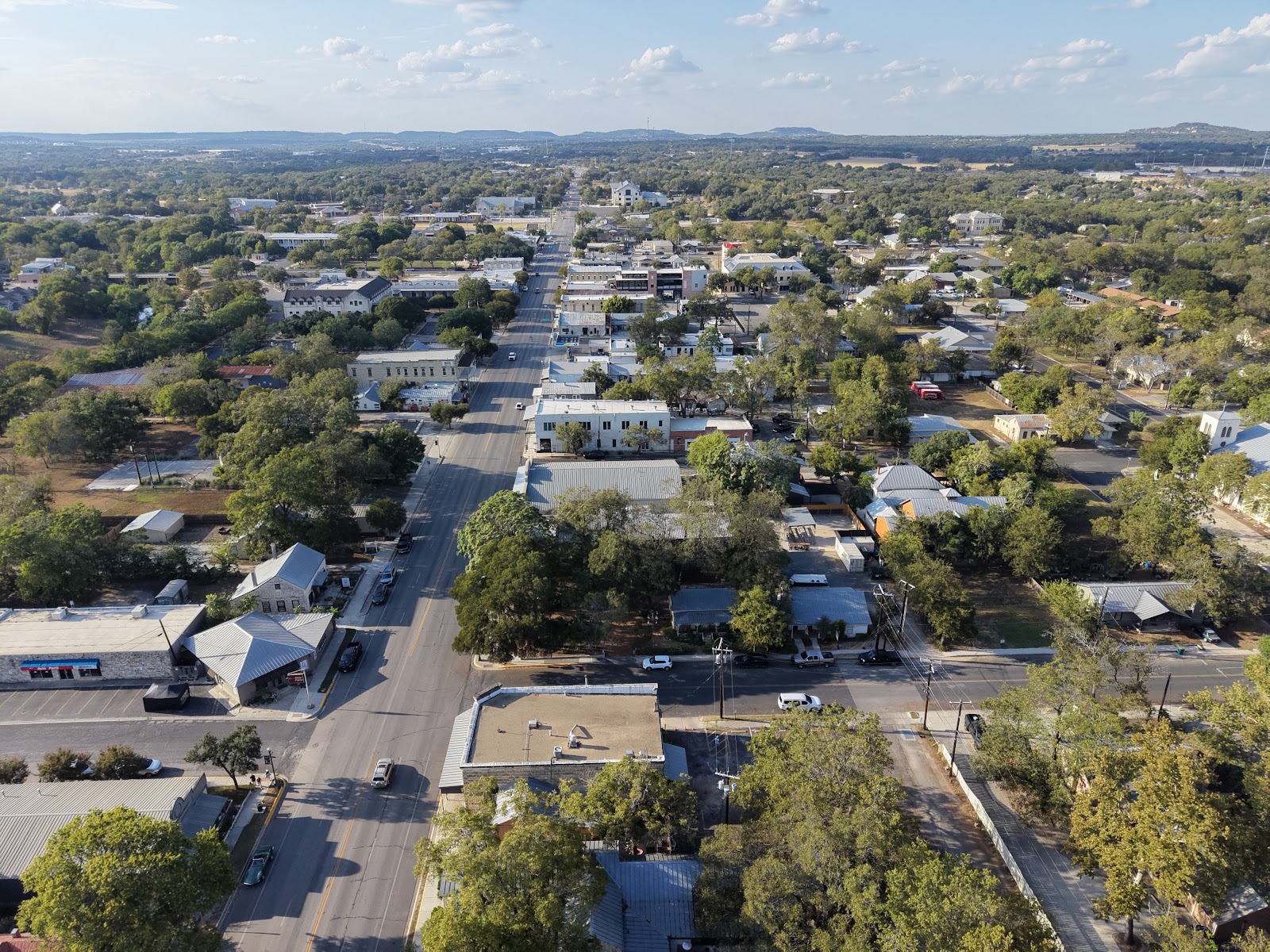
Does zoning apply to commercial property outside city limits in Texas?
Generally, no. Texas counties have no general zoning power in unincorporated areas, so the rules depend on whether the property sits inside a city or out in the county.
City zoning authority comes from Chapter 211 of the Texas Local Government Code, and it ends at the city line. Chapter 231 gives zoning power to counties only in a short list of specific places, such as certain lakes, military installations and Padre Island. Marfa is an incorporated city, so any building there falls under the City of Marfa’s own ordinances and permitting. Fort Davis is unincorporated, so commercial property in Fort Davis, TX isn’t subject to county zoning.
"No zoning" doesn’t mean "no rules." Even outside city limits, counties can regulate things like subdivision platting, some floodplain development, and septic systems. Deed restrictions on a lot can also limit commercial use, and your neighbor faces the same lack of zoning you do. Read the title commitment and any recorded restrictions closely, and have a real estate attorney confirm that your intended use is allowed before you close.
What should you check about water and septic before buying?
Confirm where the water comes from and whether the wastewater system is permitted for the use you have in mind. In rural Texas, these two items stop more commercial deals than price does.
Where there’s no city sewer, the property depends on an on-site sewage facility. Under TCEQ rules, a permit and approved plan are required to build, alter, repair, extend or operate one. The permit moves to the new owner automatically when the property sells. But a system sized for a small office may not handle a restaurant or a lodging conversion. Ask the local permitting authority whether your plan would count as an alteration, and keep in mind that local programs can be stricter than the state minimums.
If the property has a well, groundwater rules come into play. In Presidio County, the Presidio County Underground Water Conservation District requires an operating permit for any nonexempt well. In Jeff Davis County, the Jeff Davis County Underground Water Conservation District can deny a well permit or limit how much water is pumped. Water is an active local issue there: in August 2026, the Jeff Davis district’s approval of a large pumping request drew public scrutiny. Talk to the district before you count on a well for anything beyond basic needs.
How do property taxes and hotel taxes affect small-town returns?
Property tax is often your biggest fixed cost, and if the building rents rooms by the night, hotel occupancy tax comes into play too. Both should be in your pro forma from the first day.
Texas appraises property based on its condition and market value on January 1. In most cases, an owner can protest that value until May 15 or 30 days after the appraisal district mails its notice, whichever is later. Before you buy, ask the county appraisal district for the property’s appraisal history so you can see how its taxable value has moved.
If you’re buying lodging, keep in mind that the state hotel tax rate is 6 percent. It applies to room charges of $15 or more per day, including houses rented for less than 30 consecutive days. Cities and some counties can add their own hotel taxes, generally up to 7 percent each, and the combined rate can’t exceed 17 percent. Confirm the local rates and your filing duties with your CPA. Our commercial investor resources page is a good place to organize those ownership questions.
How do you value a property when there are few comparable sales?
Lean on the income the property produces and on a local broker’s knowledge of deals that never showed up in the public record. When a town sees only a handful of commercial sales a year, sales comparisons alone can mislead you.
Texas doesn’t require sale prices to be publicly disclosed, so small-town comparable sales are thin and often out of date. Run the numbers on actual rents, vacancy and expenses, then test them with a conservative cap rate rather than a hopeful one. A free commercial valuation from our team gives you an outside view based on what we’re seeing in the field. Our record of significant and closed commercial transactions shows the types of properties we’ve handled.
Plan your exit before you buy. A smaller pool of buyers usually means a longer marketing period when you sell, so build in a longer hold and keep the reserves to carry the property through a vacancy. Other small-town markets work the same way, as you’ll see on our Ozona commercial real estate page.
What belongs on a small-town commercial due diligence checklist?
A sound checklist covers demand, access, rules, utilities, taxes and exit, and it gets finished before your option period runs out. These are the items we’d want in hand on any rural Texas deal:
1. TxDOT traffic counts for the road in front of the property, plus permit records for the driveway 2. City ordinances if the property is inside city limits, or recorded deed restrictions if it’s outside them 3. The septic permit and its permitted use, or confirmation of a city sewer connection 4. Water source, well permits and any rules from the groundwater conservation district 5. Several years of appraisal history from the county appraisal district 6. Leases, rent rolls and monthly revenue history that show seasonal swings 7. A survey, a title commitment and floodplain status 8. A realistic plan for who buys the property from you, and when
No checklist replaces local knowledge. Through our Alpine – Far West Texas office, plus Boerne and Horseshoe Bay – Highland Lakes, our commercial real estate division works these questions on the ground every week. You can search Texas commercial properties for sale now, or reach our commercial team to talk through a property you’re considering.
Frequently Asked Questions
Check road access and traffic, deed restrictions, septic permits, and the rules of the Jeff Davis County Underground Water Conservation District if the property uses a well. Fort Davis is unincorporated, so the county doesn’t zone, but other rules still apply. Have your attorney confirm that your intended use is allowed.
Texas counties generally have no zoning authority in unincorporated areas, and Fort Davis is an unincorporated community. Deed restrictions, subdivision rules, floodplain rules and septic permitting can still limit how you use a site.
Marfa is an incorporated city and a well-known art and tourism destination, so retail traffic depends heavily on visitors and can change a lot by season. Check the City of Marfa’s ordinances, parking and the property’s monthly sales or occupancy history before you buy.
Start with TxDOT traffic counts, appraisal history from the county appraisal district, and City of Marfa permitting. Because comparable sales are scarce, a local broker’s valuation adds context that public records miss.
Yes. The state hotel tax is 6 percent on room charges of $15 or more per day, including houses rented for less than 30 consecutive days, and local hotel taxes may be added on top. Confirm the local rates and your filing duties with your CPA.
In most cases, the deadline is May 15 or 30 days after the appraisal district mails its notice of appraised value, whichever is later. The deadline printed on your notice is the one that controls.
Sources
- Fort Davis, Texas (Wikipedia, citing 2020 U.S. Census)
- Marfa, Texas (Wikipedia, citing 2020 U.S. Census)
- Presidio County, Texas (Wikipedia, citing 2020 U.S. Census)
- Jeff Davis County, Texas (Wikipedia, citing 2020 U.S. Census)
- Authority of Texas Counties Over Land Use (UT CLE paper)
- Zoning Outside City Limits: What Texas Landowners Face
- Explaining County Authority – Texas County Progress
- TCEQ – Getting a Permit for an OSSF
- TCEQ On-Site Sewage Facility Rules Compilation (RG-472)
- Presidio County UWCD Water Well Operating Permit Application
- Jeff Davis County UWCD Management Plan (TWDB)
- Big Bend Times – Jeff Davis water board approves member’s wells (August 26, 2026)
- TxDOT – Traffic count maps
- TxDOT Commercial Access Driveway Permit Requirements
- Texas Comptroller – Property Tax Protests