
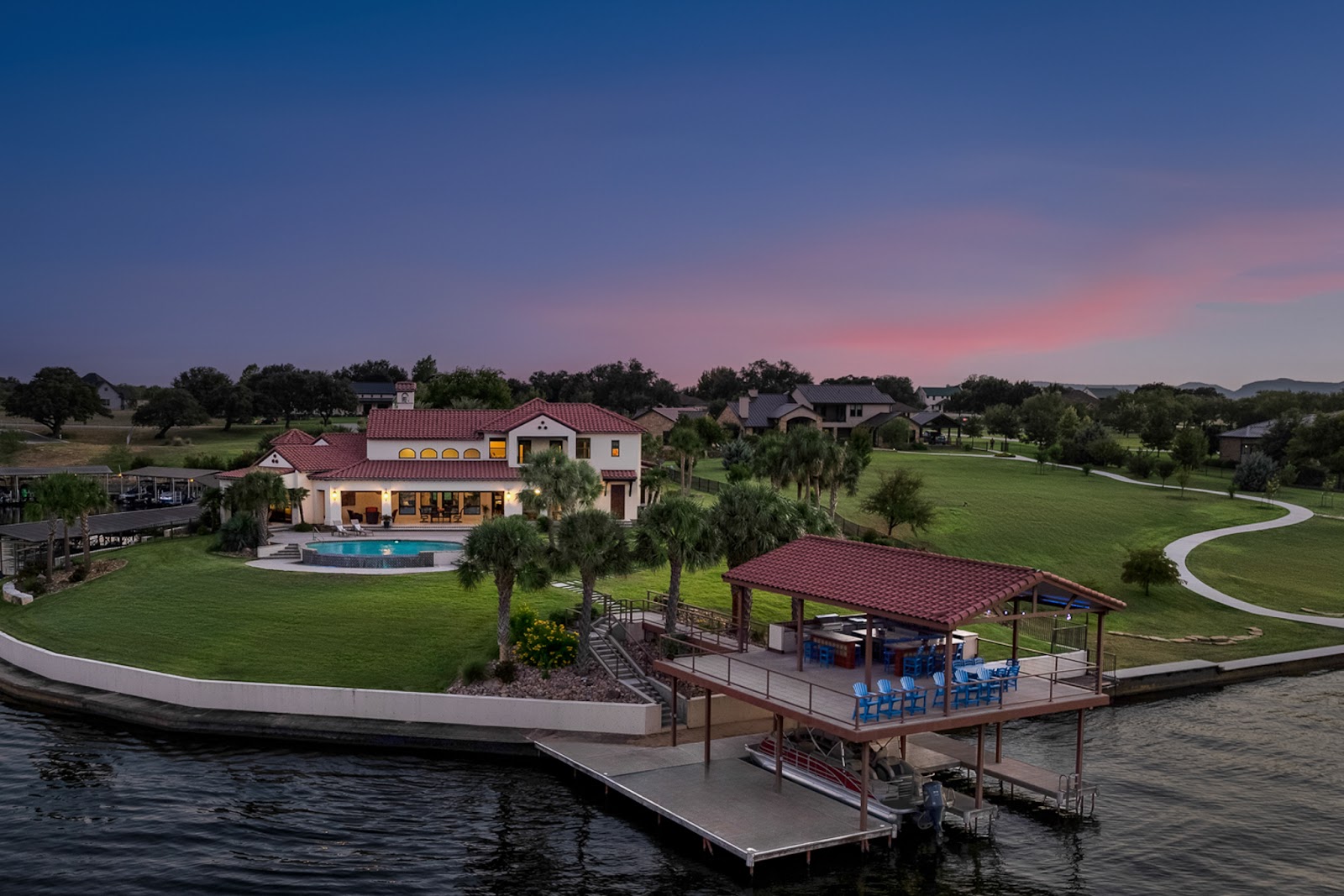
The home improvements with the best ROI are small, visible exterior replacements like a new garage door, steel entry door or stone veneer, plus a minor kitchen refresh. Large custom remodels earn back much less.
The national data has said this for years, and Texas is no exception. Whether you own a stone home on a few acres outside Boerne, a lake house in Horseshoe Bay or an adobe in Alpine, the same question comes up before a sale. Which dollars will a buyer actually pay you back, and which ones are just for your own enjoyment? Below we go through the two most-cited national studies, explain why the numbers come out the way they do, cover what improvements mean for your Texas property taxes, and offer a simple way to decide what’s worth doing.
Which home improvements have the best ROI right now?
In the most recent national data, the projects that return the most are replacing an old garage door, a steel entry door and manufactured stone veneer. Each one adds more value at resale than it costs. Zonda’s 38th annual Cost vs. Value Report, published in September 2025, ranks 28 common remodeling projects by how much of their cost they recoup when the home sells.
The national averages from that report are striking. A garage door replacement cost $4,672 and added an estimated $12,507 at resale, recouping 267.7 percent. That made it the top project for the second year in a row. A steel entry door replacement cost $2,435, added $5,270 and recouped 216.4 percent. Manufactured stone veneer cost $11,702, added $24,328 and recouped about 208 percent. Fiber-cement siding replacement came back at about 114 percent, and a midrange minor kitchen remodel cost $28,458, added $32,141 and recouped about 113 percent.
The pattern is consistent. Zonda reported that 8 of its top 10 projects were exterior replacements, and the minor kitchen remodel was the only interior project in the top five. Buyers form an opinion at the curb, often from the listing photo, before they ever walk inside. A crisp front door and a clean garage face cost little compared with a full renovation, and they change that first impression immediately.
Why do big kitchen and primary suite remodels return less?
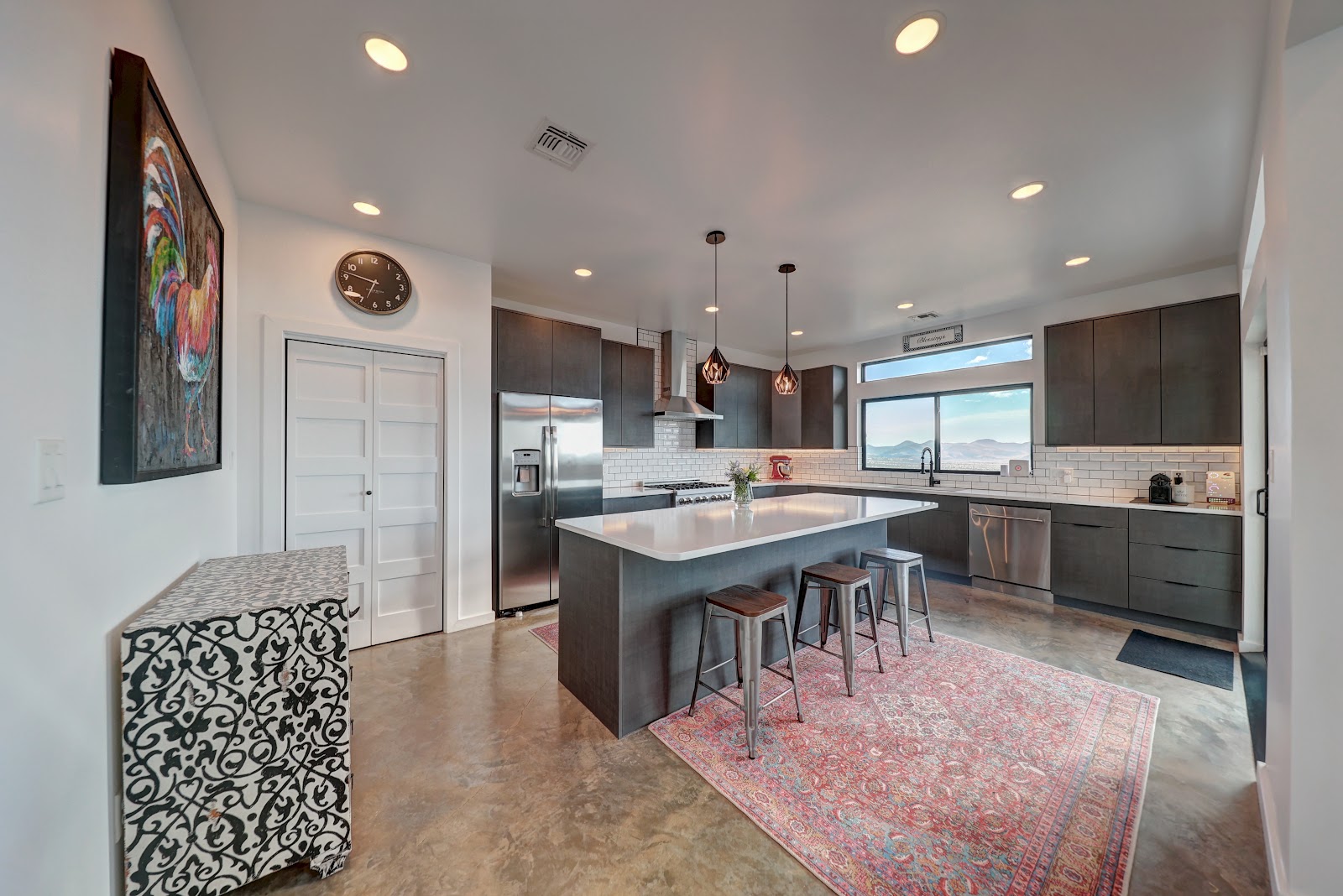
Large interior remodels are expensive and reflect one owner’s taste, so buyers rarely pay full price for them. In the 2025 Cost vs. Value national averages, a midrange major kitchen remodel cost $82,793 and recouped about 51 percent. An upscale major kitchen cost $164,104 and recouped about 36 percent. An upscale primary suite addition cost $351,613 and recouped just 18 percent.
This doesn’t make these projects bad decisions. It just means you should be clear about who they’re for. Zonda’s Todd Tomalak said exterior improvements continue to drive the most value for sellers, while "interior projects make the most sense for residents planning on staying in their homes for longer periods of time." If you plan to enjoy that new kitchen for ten years, the payoff is daily life, not the closing statement.
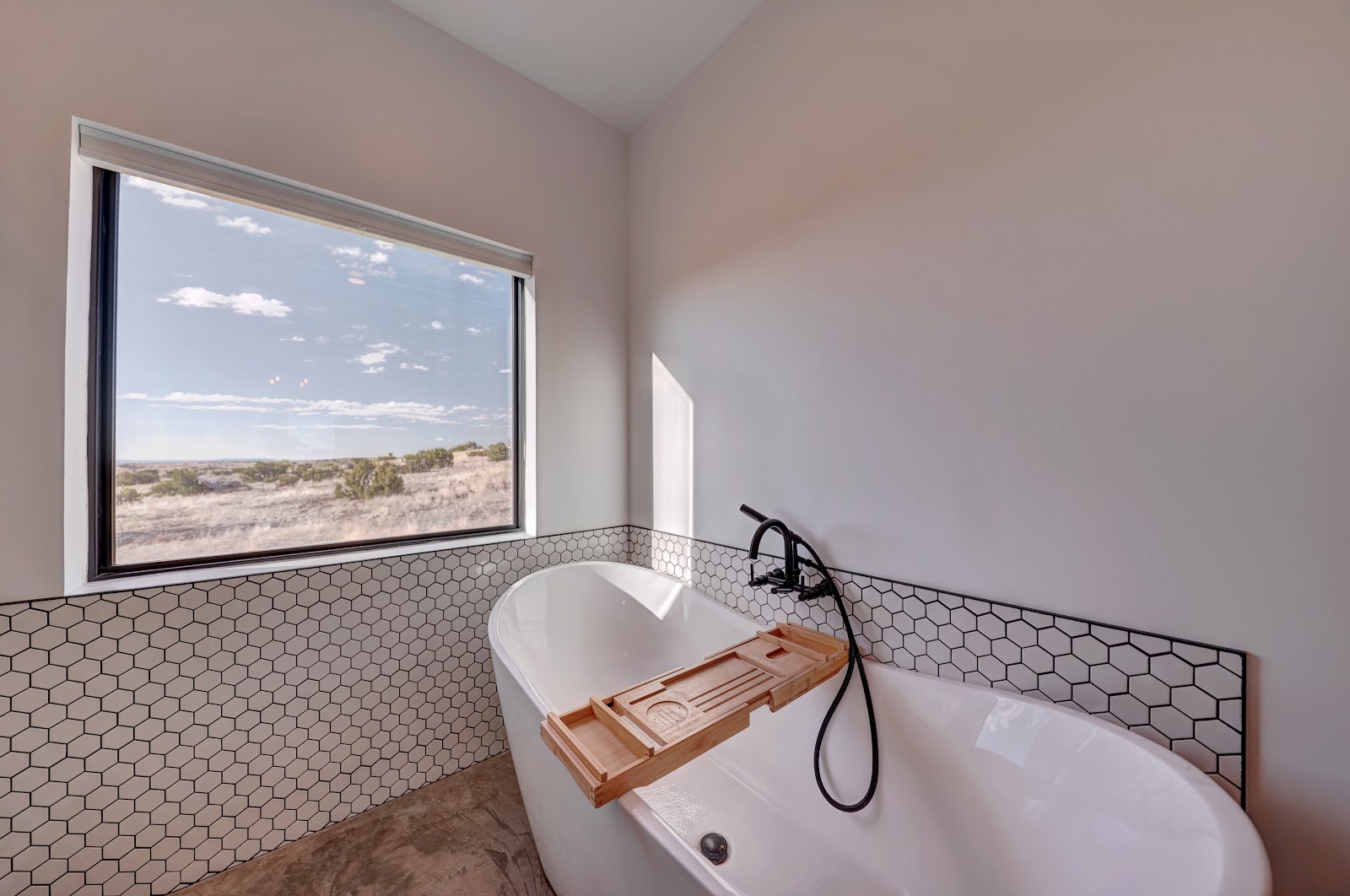
Bathrooms follow the same curve. A midrange bath remodel cost $26,138 and recouped 80 percent, while an upscale bath remodel cost $81,612 and recouped about 42 percent. Across categories, the more custom and costly the finish, the smaller the share a buyer will pay back. That holds even in the luxury tier. Higher price points can support better finishes, but they rarely reward over-improving beyond what nearby homes offer.
What do Realtors and remodelers say adds the most value?
The National Association of Realtors’ 2025 Remodeling Impact Report reaches the same conclusion with more conservative numbers. In that study, remodelers estimated project costs and Realtors estimated value at resale. The top cost recovery went to a new steel front door at 100 percent, a closet renovation at 83 percent and a new fiberglass front door at 80 percent.
The NAR report, released in April 2025, also estimated about 74 percent for new vinyl windows, 60 percent for a complete kitchen renovation and 50 percent for a bathroom renovation. One finding matters a great deal for sellers: Realtors reported that 46 percent of buyers are less willing to compromise on the condition of the home when purchasing.
The two studies disagree on the size of the returns but agree on the direction. Small, visible and well-maintained beats big and custom. The condition finding also explains why repairs often matter more than upgrades. A buyer who sees a worn roof, a sticking door or a dated, failing fixture starts subtracting money in their head, and that subtraction is usually larger than the repair bill. For a seller’s step-by-step on that, see our guide to getting your home ready to sell.
How does home improvement ROI differ in Texas?
National averages are a starting point, not a promise, and Texas has historically done well. Zonda reported that regional differences were pronounced in 2025, with the Pacific and West South Central regions, which include Texas, reporting the strongest overall returns. Its press release also noted that a backup power generator entered the top 10 for the first time, at 95.3 percent nationally, with ROI over 100 percent in storm-affected regions.
Inside Texas, what buyers value depends on the setting. In Boerne and the rest of Kendall County, part of the Austin-Waco-Hill Country land region, buyers touring higher-end homes tend to notice exterior materials, outdoor living space and how a home fits its setting. Around Horseshoe Bay, which sits across Llano and Burnet Counties in the same region, a lake-oriented buyer may weigh outdoor living and water-facing condition more heavily. In Alpine and Brewster County, in the Far West Texas region, the high-desert setting and longer drives to tradespeople make dependable systems and low-maintenance exteriors especially valuable.
No published study measures ROI town by town in these markets, so treat the national rankings as the rule and local expertise as the adjustment. Our Luxury & Residential team can tell you what recently sold homes near yours offered, which is the best guide to what buyers in your area will reward. Landscaping is a good example. Low-water native plantings fit the Hill Country and the Trans-Pecos, and our post on supporting native Texas wildlife has ideas that look good and need little upkeep.
Will home improvements raise my Texas property taxes?
They can. Texas limits how fast a homestead’s appraised value can rise each year, but the market value of new improvements is added on top of that limit. Under Tax Code Section 23.23, as explained by the Texas Comptroller, a qualified homestead’s appraised value generally can’t rise more than 10 percent a year. The exception is the market value of new improvements, which is added in addition to the cap.
The Comptroller describes a new improvement as one made after the most recent appraisal that increases market value and was not included in the prior year’s appraised value. According to the Comptroller, the limitation generally doesn’t apply to new improvements other than repairs or ordinary maintenance. In practice, an addition or a pool is likely to show up in your appraisal, while replacing a worn-out item with a similar one is generally treated as maintenance. Separately, Texas school districts must give a $140,000 residence homestead exemption under Tax Code Section 11.13(b), an amount voters approved in November 2025.
How your appraisal district treats a particular project depends on the facts. Before a large project, it’s worth a call to your county appraisal district and a conversation with your CPA. We’re a brokerage, not tax advisers, so please confirm how these rules apply to your property with those professionals.
How should you decide what to improve before you sell?
Start with your timeline. Then fix what’s broken, refresh what buyers see first, and match improvements to the homes you’ll be compared against. If you’re selling within a year or two, put your money into repairs, curb appeal and modest refreshes. Save larger projects for a home you plan to keep.
A practical order works for most sellers. First, deal with anything an inspector will flag, because of how much buyers care about condition. Next, take care of the front of the house: the entry door, the garage door, the trim and the paint. Then consider a minor kitchen refresh with paint, hardware, lighting and updated surfaces rather than a gut renovation. Throughout, keep upgrades in line with comparable homes nearby, because buyers and appraisers measure your home against what has recently sold around it.
Before you spend anything, find out where your home stands. A free broker price opinion gives you a local, sale-based estimate so you can see whether a project fills a real gap. Our post on maximizing your home’s value when you sell covers pricing and presentation. If you’re improving for the long term, our look at Hill Country real estate and the best places to invest puts those decisions in a wider context. When you’re ready to talk through a specific property, contact our team. We’re glad to walk the place with you and give you an honest opinion.
Frequently Asked Questions
In Zonda’s 2025 Cost vs. Value Report, garage door replacement ranked first, recouping 267.7 percent of its $4,672 national average cost. A steel entry door at 216.4 percent and manufactured stone veneer at about 208 percent came next.
A minor kitchen refresh usually is. It recouped about 113 percent nationally in the 2025 Cost vs. Value Report. A midrange major kitchen remodel recouped about 51 percent and an upscale one about 36 percent, so full renovations make more sense if you plan to stay.
National rankings are a sound starting point, and Zonda reported that the West South Central region, which includes Texas, had some of the strongest returns in 2025. The best local guide is what comparable Boerne TX homes offered when they sold, which a local agent can show you.
The same principles apply: fix condition issues first, then refresh the exterior and the areas buyers see first. In lake country, buyers often notice outdoor living spaces, while in Far West Texas, dependable systems and low-maintenance exteriors tend to matter more.
It can. Under Tax Code Section 23.23, the 10 percent homestead appraisal cap generally doesn’t cover the market value of new improvements, though ordinary repairs and maintenance are treated differently. Confirm how this applies to your project with your county appraisal district or CPA.
NAR’s 2025 Remodeling Impact Report found the highest cost recovery for a new steel front door at 100 percent, a closet renovation at 83 percent and a fiberglass front door at 80 percent. A bathroom renovation recovered 50 percent.
It depends on its condition and on what nearby homes offer. NAR reported that 46 percent of buyers are less willing to compromise on condition, so repairs often pay off even when big upgrades don’t. A broker price opinion can help you decide.
Sources
- JLC 2025 Cost vs. Value Report, National Averages
- Zonda’s 38th Annual Cost vs. Value Report press release (PR Newswire / Yahoo Finance, Sept. 18, 2025)
- 2025 Cost vs. Value national averages (as reproduced by Cindy DiCianni team page)
- NAR 2025 Remodeling Impact Report
- NAR 2025 Remodeling Impact Report summary (Van Sant Realty Group)
- NAR’s 2025 Remodeling Impact Report presentation (GAOR)
- Texas Comptroller, Appraisal and Tax Limitations
- Texas Homestead Exemption: Amount, Deadline and How to Apply (RecordingLaw)