
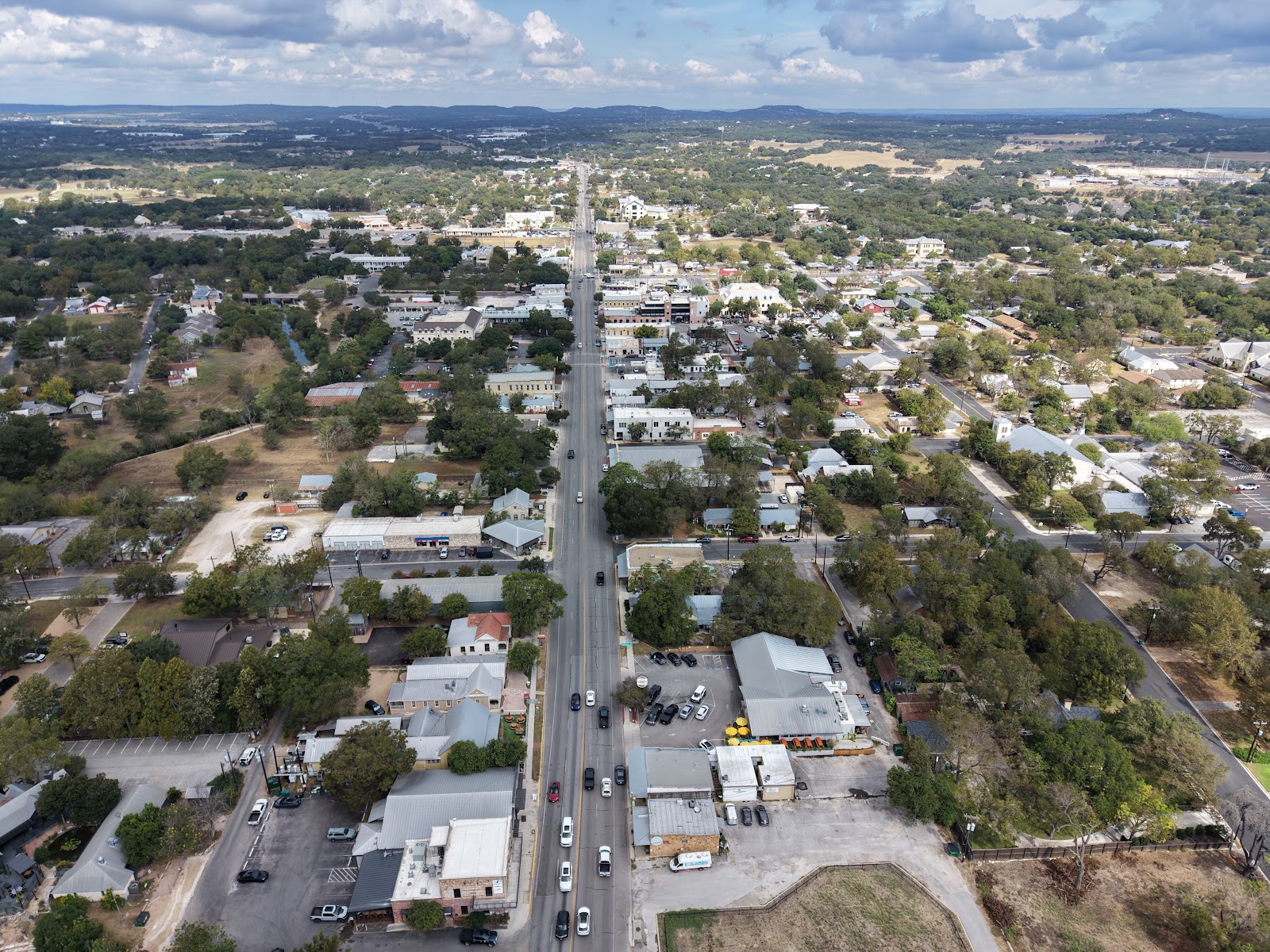
A cap rate is a property’s yearly net operating income divided by its price. An NNN lease has the tenant pay taxes, insurance and maintenance. A 1031 exchange puts off federal tax on the gain when you reinvest. Those three ideas carry most of the weight in commercial real estate investing in Texas. Whether you’re buying your first single-tenant building on a Hill Country highway or rolling ranch proceeds into income property, you’ll hear all three in your first meeting with a broker.
This guide walks through each one in plain language, with current market figures and the federal rules behind them. It also covers how they fit together in a real Texas deal. Everything here is general education, not legal or tax advice. Before you sign anything, confirm the details with your CPA, your attorney and your county appraisal district. Our commercial real estate division is glad to help with the property side.
What is a cap rate, and how do you calculate it on a commercial building?
The capitalization rate, or cap rate, is a property’s net operating income (NOI) divided by its purchase price or value. It tells you the yearly return you’d earn if you paid all cash. Because it leaves financing out, you can use it to compare a strip center in Boerne with a warehouse in Odessa on the same terms.
Here’s how to calculate the cap rate on a commercial building, using made-up numbers. Start with the rent you actually collect in a year, say $100,000. Subtract the operating expenses the landlord pays: property taxes, insurance, repairs, management and vacancy. Leave out the mortgage and depreciation. If those expenses come to $16,000, your NOI is $84,000. Divide that by an asking price of $1,200,000 and the cap rate is 7.0 percent.
The trap is the NOI itself. A seller’s ‘pro forma’ NOI may assume full occupancy or leave out a management fee, and either one makes the cap rate look better than it is. Ask for the trailing twelve months of actual income and expenses, plus copies of every lease. Then rebuild the number yourself. As a rule of thumb, a higher cap rate means more income per dollar but usually more risk. A lower cap rate means buyers are paying up for safety, a strong tenant or growth.
What is a good cap rate for commercial property in Texas?
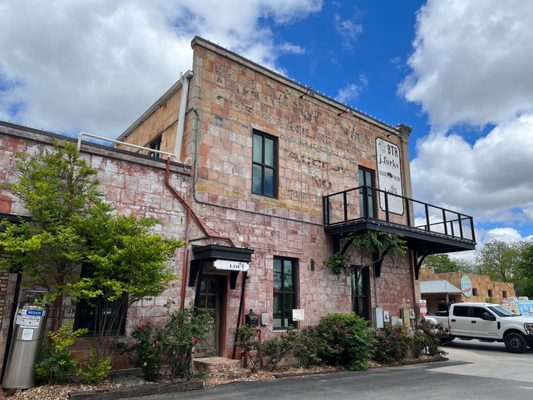
There isn’t one good cap rate. The right number depends on the property type, the tenant’s credit, how many years are left on the lease and the location. You can still get your bearings from published benchmarks. The Boulder Group’s Q3 2026 net lease report puts national single-tenant net lease asking cap rates at 6.92 percent overall. It lists retail at 6.69 percent, office at 8.00 percent and industrial at 7.28 percent. The report calls the overall figure the highest in more than a decade.
Rates have been rising. The same report connects the increase to the Federal Reserve’s September 2026 meeting, which raised the target range by 25 basis points to 3.75 to 4.00 percent. When borrowing gets more expensive, buyers want more yield, and prices adjust to give it to them.
Texas trades close to those benchmarks, and you’ll see a lot of variety from deal to deal. Partners Real Estate’s Q1 2026 report counted 287 San Antonio retail property sales over the prior year, at an average cap rate of 7.2 percent. At the strong-credit end, Boulder’s Q1 2026 report lists an Albertsons in Fort Worth that sold in February 2026 at a 5.70 percent cap rate with 13 years left on the lease. In general, smaller towns, older buildings, local tenants and short leases push cap rates up. Big-name tenants on long leases in growing metros pull them down. Our Texas commercial real estate listings show where today’s offerings fall on that range.
What is a triple net lease, and why do investors buy NNN properties?
A triple net (NNN) lease is a commercial lease where the tenant pays base rent plus the property’s three main expenses: property taxes, building insurance and maintenance. That’s why investors searching for triple net lease investment property in Texas are usually after steady income that takes little work to manage.
The ‘nets’ build on each other. In a single net lease, the tenant pays rent plus property taxes. A double net lease adds insurance. A triple net lease adds common-area maintenance and sometimes other costs. NNN leases are most common when one tenant leases a whole building, which is why freestanding pharmacies, auto parts stores, quick-service restaurants and dollar stores fill most lists of NNN lease properties for sale in Texas.
Read the lease, not just the label. Some leases called NNN still leave the landlord paying for the roof and structure. A roof replacement can wipe out several years of ‘passive’ income. The questions that matter are who pays for the roof, structure, parking lot and HVAC, how many years and renewal options are left, whether rent goes up over time, and who actually guarantees the lease (a corporation or a single franchisee). Our commercial investor resources page gathers tools to help you work through that review.
How do cap rates and NNN lease returns relate?
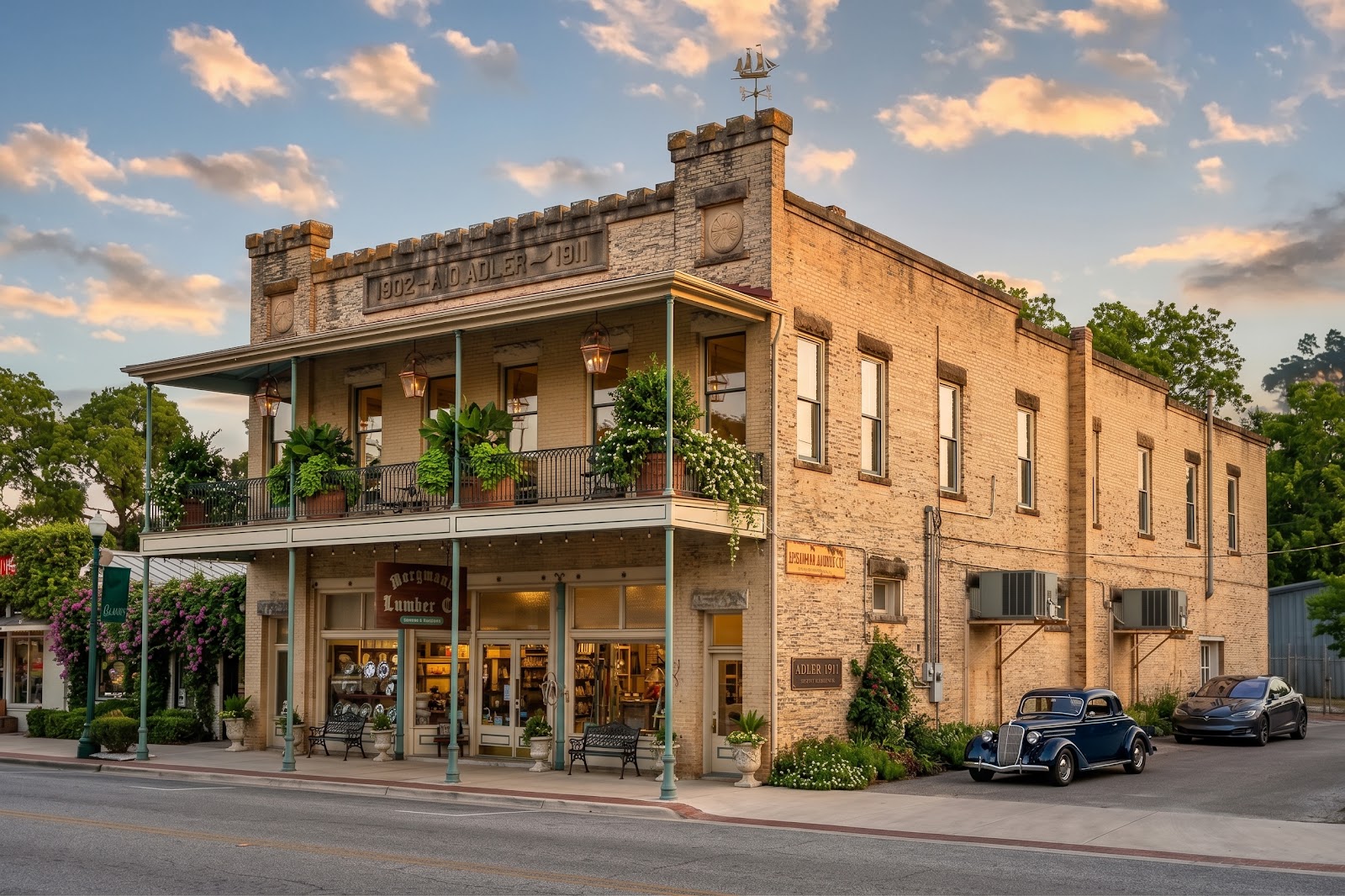
On an NNN property, the cap rate and the rent return are nearly the same number. The tenant covers most operating costs, so the rent you collect is close to your NOI. Divide that rent by the price and you get the cap rate.
In plain terms, here’s cap rate vs NNN lease returns explained. On a hypothetical $2,000,000 NNN building with $130,000 in yearly base rent and almost no landlord expenses, the NOI is about $130,000 and the cap rate is about 6.5 percent. Put the same rent on a gross lease, where the landlord pays taxes, insurance and upkeep, and the NOI shrinks by those costs. The cap rate drops with it. That’s why you can’t compare two listings by rent alone. Compare them by NOI after you know who pays what.
Two more things affect what you actually earn. First, the cap rate is a first-year number. A lease with regular rent increases will earn more over time than a flat lease at the same starting cap rate. Second, leverage changes the math. Borrowing at an interest rate above the cap rate can drag down your cash-on-cash return. That’s worth running before you make an offer while rates are rising.
How does a 1031 exchange work for commercial real estate in Texas?
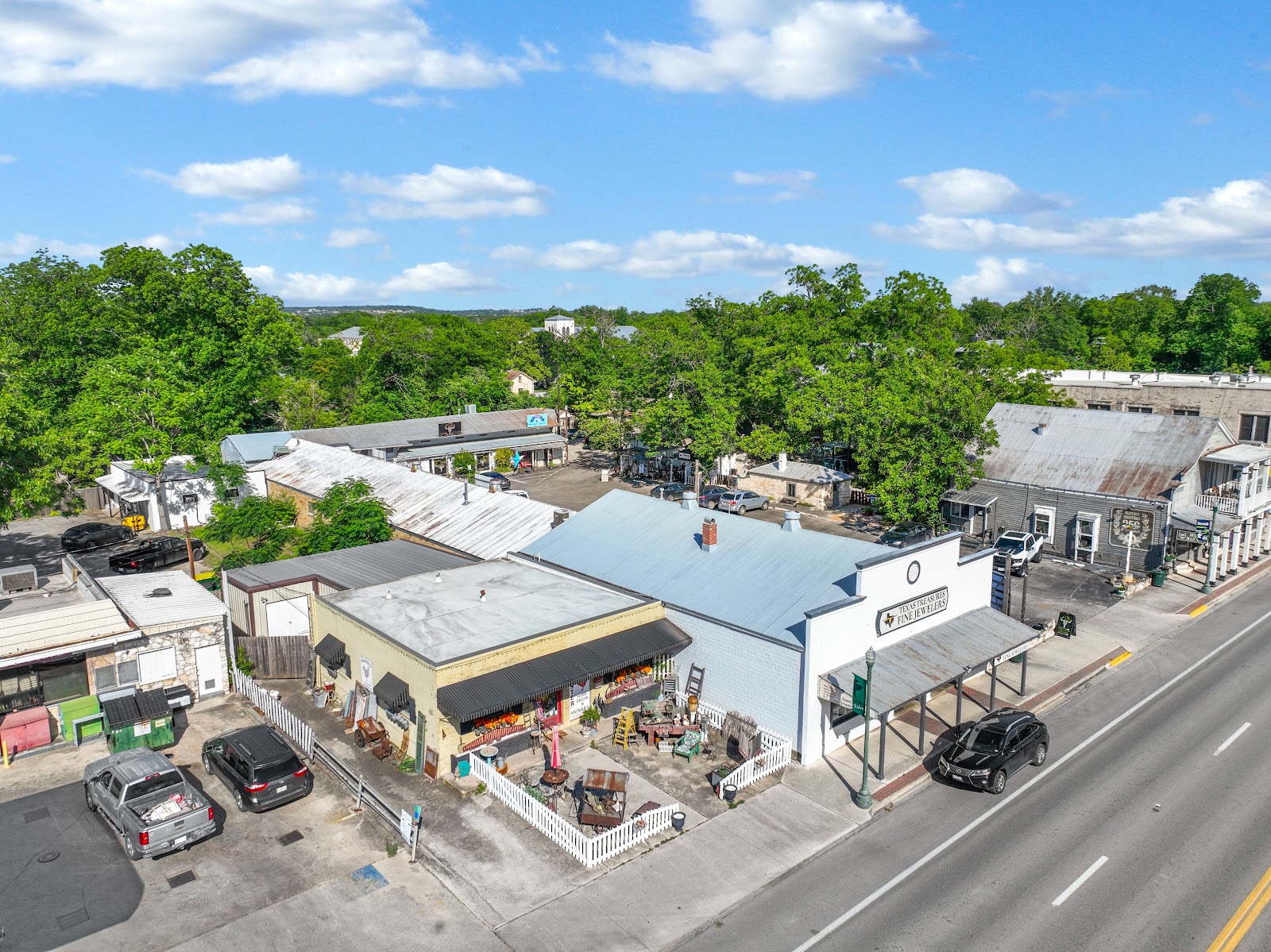
A 1031 exchange, named for Section 1031 of the Internal Revenue Code, lets you put off federal tax on the gain from selling investment or business real estate. To qualify, you reinvest in other like-kind real estate within strict deadlines. Texas has no personal income tax, and its constitution requires a statewide referendum to add one. So for a Texas individual, the tax being put off is mostly federal.
Here’s how the deadlines work. Once your sale closes, you have 45 days to identify replacement property in writing to your qualified intermediary. You must close on the replacement within 180 days, or by your federal tax return due date with extensions, if that comes first. Both deadlines start on the same day and run at the same time. Miss either one and the whole gain is taxable. The IRS grants extensions only in limited relief situations.
A neutral qualified intermediary usually holds your sale money. If you receive the cash yourself, the exchange can fail. For full deferral, you generally have to reinvest all net proceeds and buy property of equal or greater value. Any cash or non-like-kind property you receive, called ‘boot’, is taxable that year. Since 2018, only real property qualifies. Equipment, vehicles and other personal property don’t. Work out the value of what you’re selling before day one. A commercial broker price opinion is a practical way to start, and your CPA should plan the exchange itself.

Can I 1031 exchange a Texas ranch into commercial property?
Generally, yes. The IRS treats real property as like-kind to other real property, whether it’s improved or not. IRS Publication 544 specifically says that trading city property for farm property is a like-kind exchange. That means a working ranch held for investment or business can usually be traded for a retail building, a warehouse or an NNN property, as long as the rules are met.
Ranches come with their own wrinkles. The main house you live in is personal-use property and doesn’t qualify, so that part of the sale is handled differently. Cattle, equipment and other personal property don’t count as like-kind real estate, so separate them out in the contract. Agricultural valuation matters too. According to the Texas Comptroller, when land with an ag appraisal changes to a non-agricultural use, the owner who changes the use owes a rollback tax for each of the previous three years. Ask your CPA and appraisal district how that applies before you sign.
Plenty of our clients go the other direction too, trading commercial property into land. If you’re weighing that move, browse our Far West Texas ranches for sale to see what a replacement property could look like.
Commercial investment property in Far West Texas
Commercial investment property in Far West Texas works differently from metro NNN deals. These are small-town markets where the buyers are often local operators or owners who will use the building themselves. Published cap-rate surveys don’t track towns this size. Pricing comes down to the building, the lease and the handful of nearby sales.
In Presidio County, commercial property in Marfa tends to mean historic downtown buildings and retail space shaped by the town’s arts and tourism economy. Commercial real estate in Fort Davis, the seat of Jeff Davis County, is a smaller market still, built around visitors and services. In both towns, a lease from a local business can bring a higher yield than a national tenant would. Check that tenant’s track record and the building’s condition with extra care. Our post on what investors look for in small-town Texas commercial property goes deeper. You can also explore land and real estate in Presidio County and Jeff Davis County.
If you’re on the selling side, the same idea applies. A clear rent roll, real expense records and a sensible cap rate attract serious buyers, including ones working against a 45-day 1031 deadline. Our Alpine-Far West Texas office works these markets every day. When you’re ready to talk about cap rates, NNN leases or timing an exchange, contact our commercial team and we’ll start with your goals.
Frequently Asked Questions
It depends on the property type, the tenant and the lease term. As a reference point, The Boulder Group put national single-tenant net lease asking cap rates at 6.92 percent overall in Q3 2026. Strong-credit Texas deals can trade lower, and small-town properties often trade higher.
Divide the net operating income by the price. NOI is the yearly rent you collect minus the operating expenses the landlord pays, not counting the mortgage or depreciation. For example, $84,000 of NOI on a $1,200,000 building is a 7.0 percent cap rate.
After your sale closes, you have 45 days to identify replacement property in writing and 180 days to close on it, or until your tax return due date with extensions, if that’s earlier. Both deadlines run at the same time, and missing either one makes the gain taxable.
Generally yes, because real property is like-kind to other real property, and the IRS says farm property traded for city property qualifies. Your home, livestock and equipment don’t qualify, so confirm the details with your CPA.
Yes, if the Marfa building will be held for investment or business use and you meet the identification and closing deadlines. Small-market deals can take longer to close, so line up your replacement options early.
If you held the property for investment or business use, a properly structured 1031 exchange can put off federal tax on the gain when you reinvest in like-kind real estate. Talk to your CPA and a qualified intermediary before you close.
The law doesn’t require one, but a broker who knows Jeff Davis County can help you price the property, find replacement options quickly and keep your deadlines on track. The exchange itself is handled by a qualified intermediary, with tax advice from your CPA.
Under a typical NNN lease, the tenant pays property taxes, building insurance and maintenance on top of base rent. Some leases still leave the roof and structure to the landlord, so always read the lease.
Sources
- The Boulder Group, Net Lease Market Report Q3 2026
- The Boulder Group, Net Lease Market Report Q1 2026
- Partners Real Estate, San Antonio Retail Q1 2026 Report
- Success Knocks, Commercial Real Estate Cap Rates Explained 2026
- Cornell Law School LII, Net Lease
- Law Insider, Triple Net Lease Definition
- NS Propertese, Triple Net Lease Meaning
- IRS Instructions for Form 8824
- IRS Publication 544
- Federal Register, Statutory Limitations on Like-Kind Exchanges (TD 9935)
- Atlas Realty Advisors, 1031 Exchanges
- Gulla CPA, 1031 Like-Kind Exchange Rules
- Uncle Kam, Like Kind Exchange Timeline 2026
- Wikipedia, Like-kind exchange
- Reed Corp, Texas No State Tax Business Owners Guide