Agricultural exemptions, often called “ag exemptions,” serve as a powerful way to significantly reduce property taxes on your Texas ranch. These exemptions directly connect to how you utilize your land for agricultural purposes, requiring you to meet specific criteria related to the type and number of animals you manage. By aligning your land’s use with these guidelines, you can unlock substantial tax savings while keeping your ranch productive. To help you navigate the process, here’s a detailed guide to understanding which animals qualify for ag exemptions and how many you’ll need to manage to meet the necessary requirements to flourish under Ag Exemption guidelines.
Qualifying Animals for an Ag Exemption
The Texas Comptroller’s guidelines outline several types of animals that qualify for agricultural use, including:
- Cattle
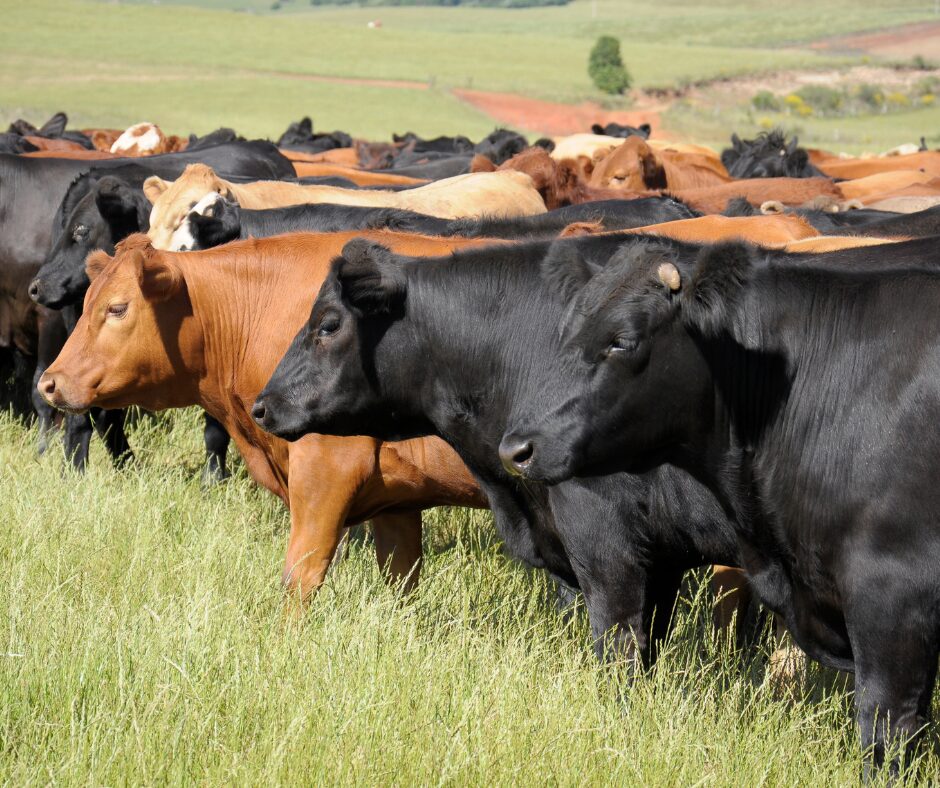
Raising cattle for breeding, dairy, or beef production qualifies. Common stocking rates range from 3-5 acres per cow, depending on your land’s productivity and region. - Sheep and Goats
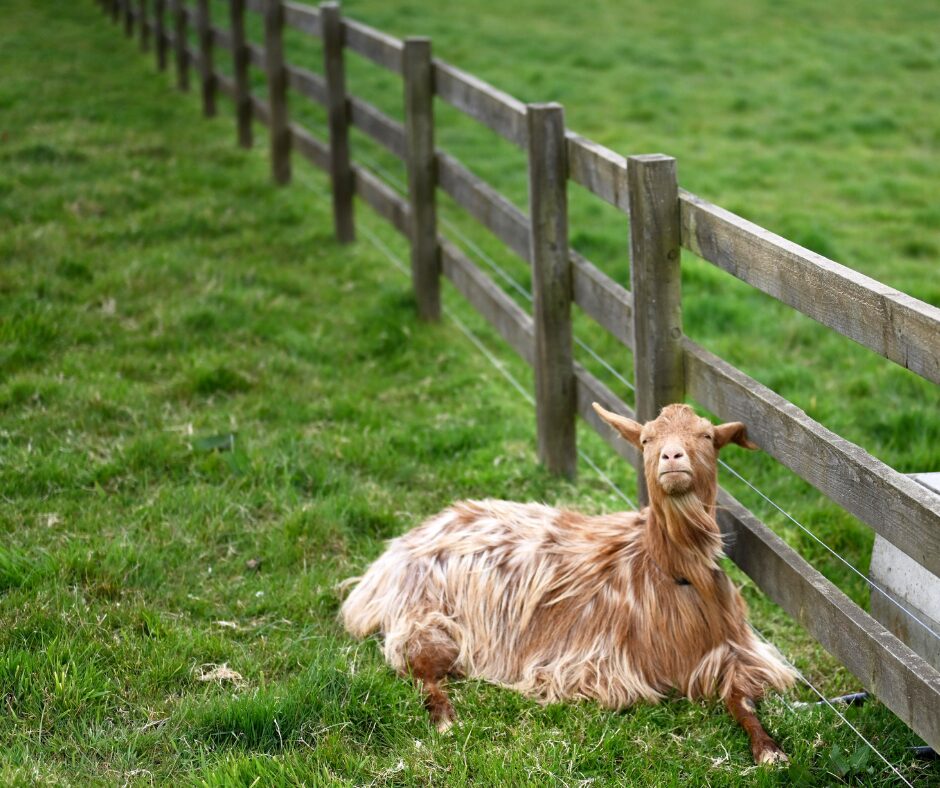
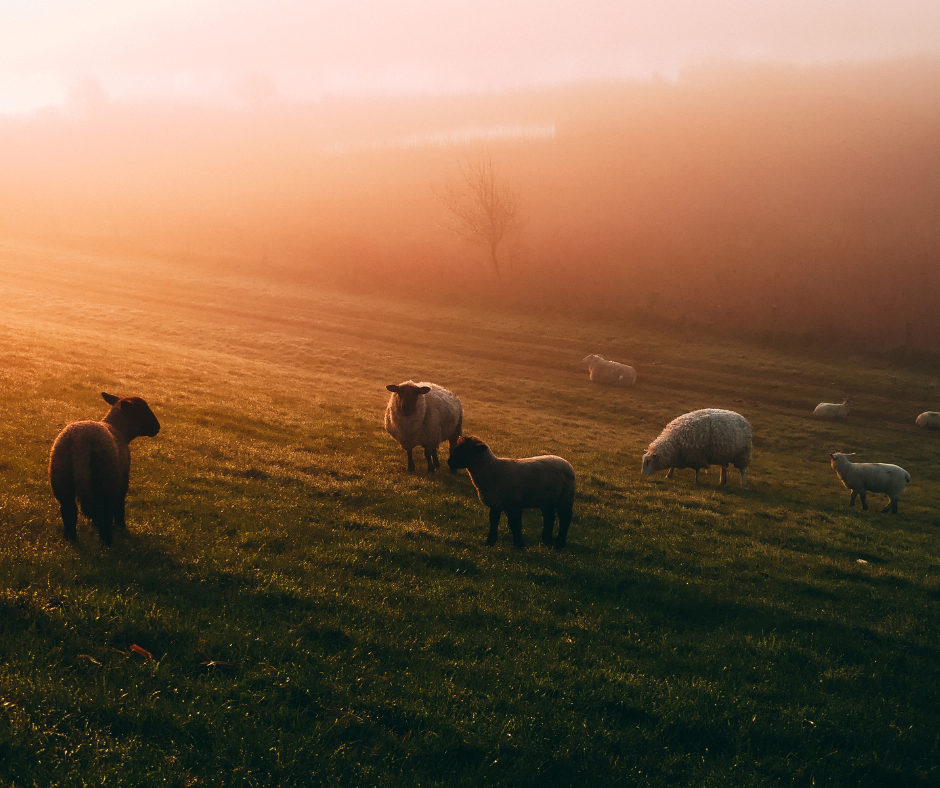
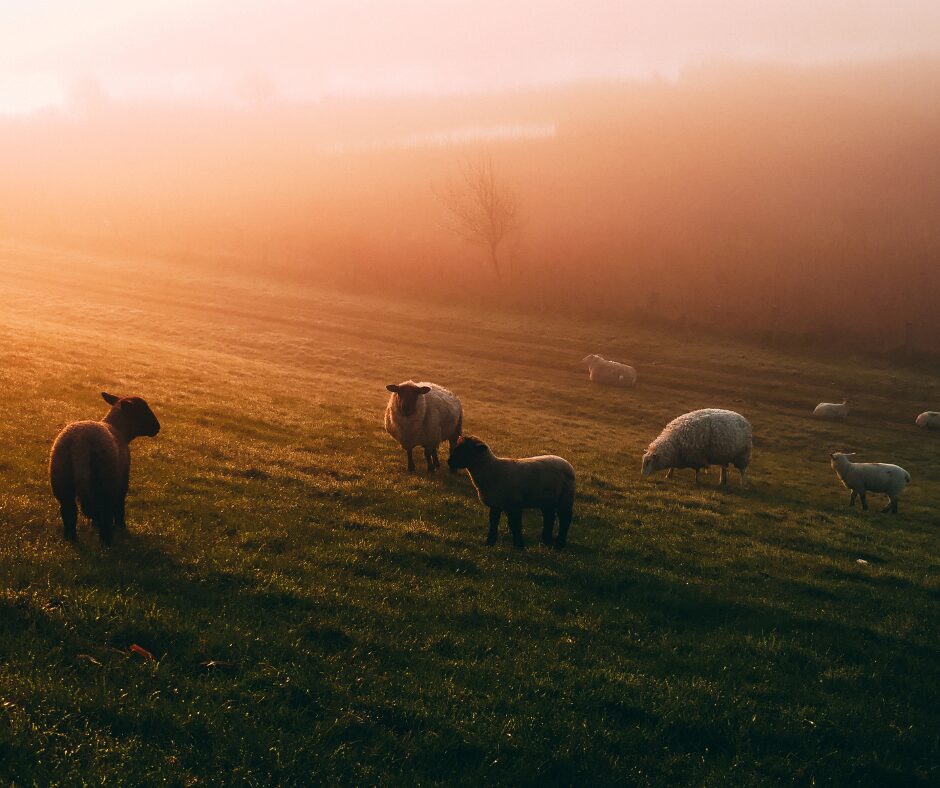
Both are eligible for ag exemptions when raised for wool, mohair, meat, or milk. On average, 1 sheep or goat requires 1-2 acres, depending on forage availability. - Horses
Horses raised for breeding purposes, not recreational use, may qualify. Stocking rates vary, but typically 5-10 acres per horse is required. - Bees
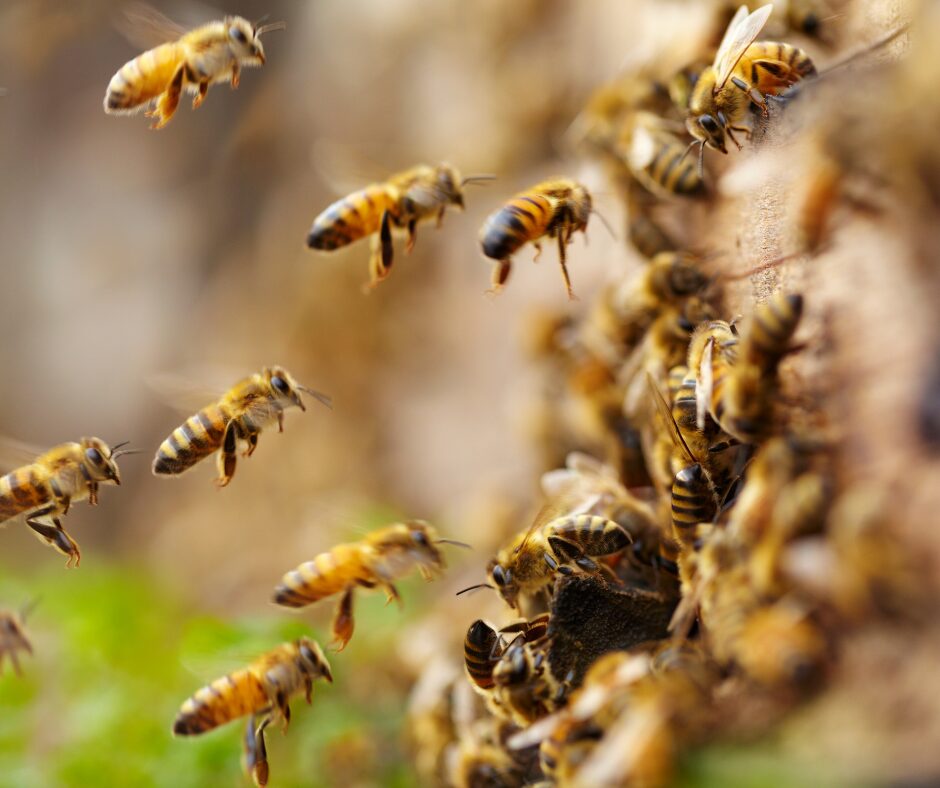
Small-scale beekeeping (6-20 hives) can qualify if your land is between 5 and 20 acres. Bees are an excellent option for landowners with limited space. - Exotic Livestock
Species like deer, elk, and llamas may qualify if they are raised commercially for meat, fiber, or breeding stock.
How Many Animals Do You Need for Ag Exemptions
The number of animals required to qualify for an ag exemption depends on your county’s specific guidelines and your land’s productivity. Texas counties use a minimum acreage and carrying capacity standard, which considers factors like soil type, rainfall, and vegetation.
Here’s an example:
- Cattle: 3-5 acres per cow, depending on forage quality.
- Sheep/Goats: 1-2 acres per animal.
- Bees: At least 6 hives on 5-20 acres.
It’s essential to check with your county’s appraisal district for precise requirements, as these can vary widely based on local conditions.
Maintaining Your Ag Exemptions
To retain your exemption, you must prove consistent agricultural use over time (typically five of the last seven years). Documentation such as receipts, breeding records, and photos may be required during an appraisal.
Conclusion
From cattle to bees, Texas offers a range of qualifying animals for ag exemptions, each with specific requirements for land use and animal numbers. Proper planning and adherence to your county’s guidelines can help you reduce property taxes while maintaining a productive ranch.
For personalized advice, consult your local appraisal district or a qualified land consultant to maximize your ag exemption benefits.