
Rotational Grazing vs Continuous Grazing in Livestock
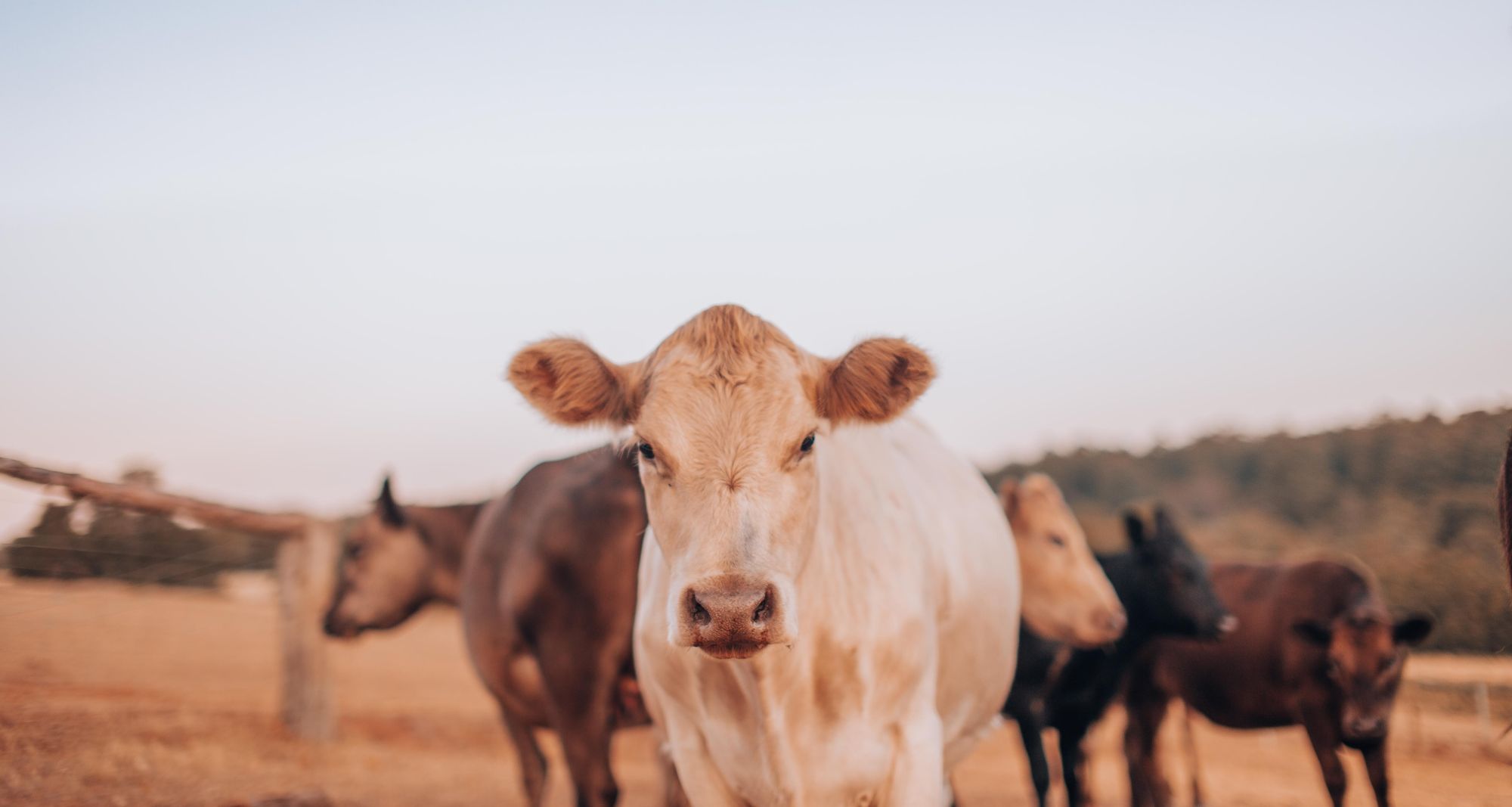
Pros and Cons of both Continuous Grazing and Rotational Grazing.
Pros and Cons of both Continuous Grazing and Rotational Grazing.
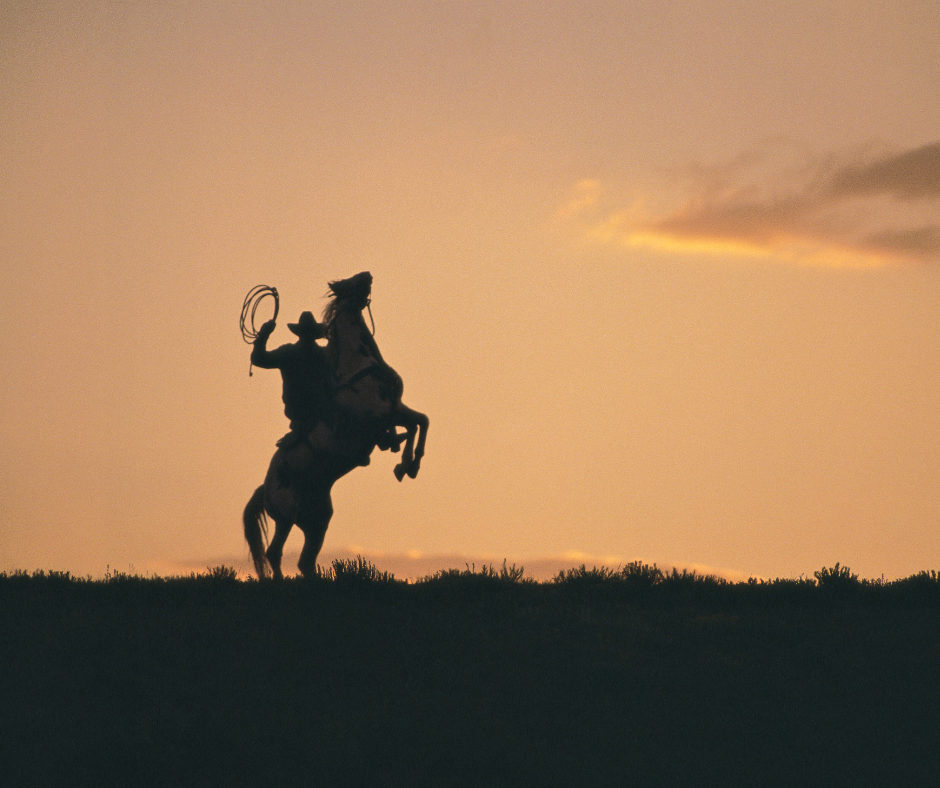
Cowboys originated in the western United States in the mid-19th century, influenced by Spanish vaqueros who introduced cattle herding skills to the region. As settlers moved westward, they adopted these methods, forming a distinct cowboy culture integral to the American cattle industry.
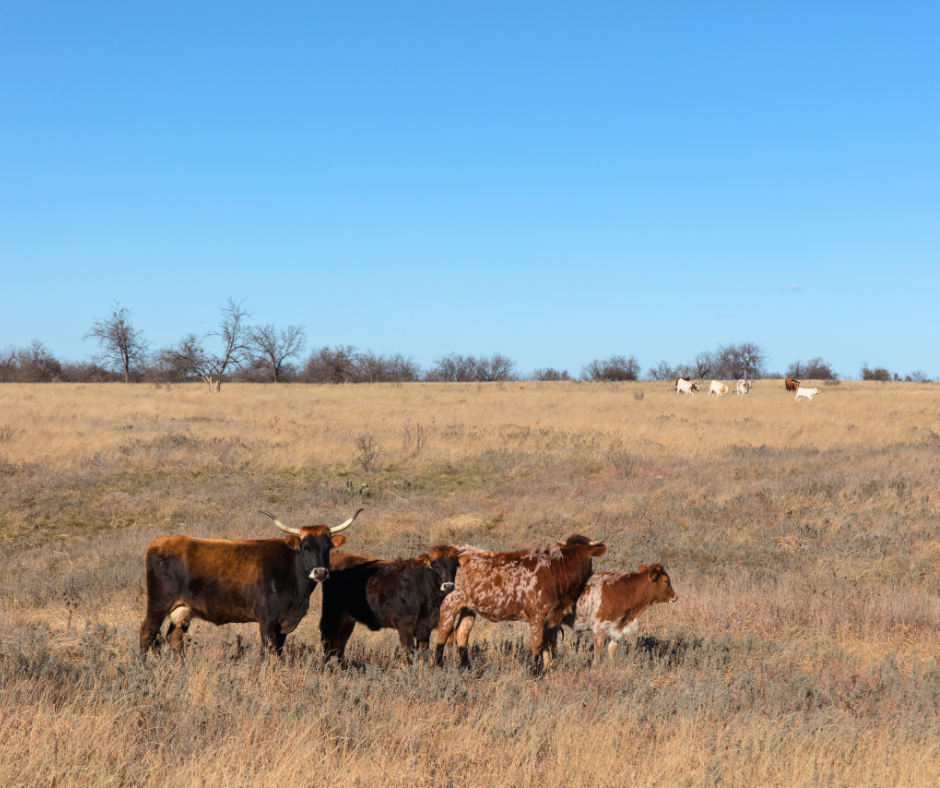
Recent rainfall in Texas has increased parasite rates in cattle, making deworming and parasitic control crucial. These measures protect livestock health, improve productivity, prevent disease transmission, and offer economic and environmental benefits.
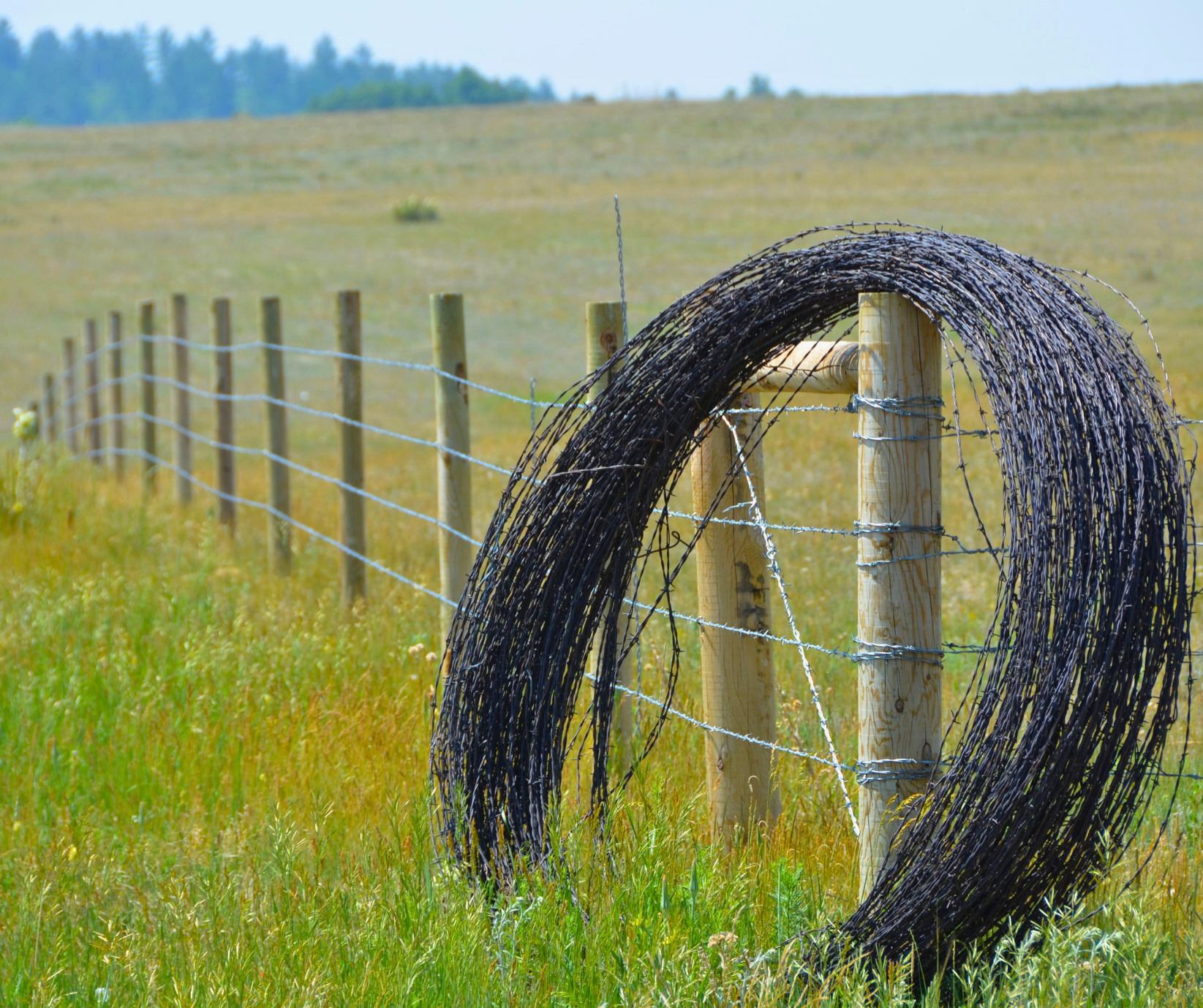
Barbed wire fencing has been a cost-effective solution for livestock containment and property protection for many years. Invented by Joseph F. Glidden in 1873, it revolutionized land management in the American West, leading to the end of open ranges and the rise of private farms and ranches. This fencing’s effectiveness and low cost made it popular, resulting in industrial production and international adoption. Today, barbed wire remains widely used in agriculture and security.
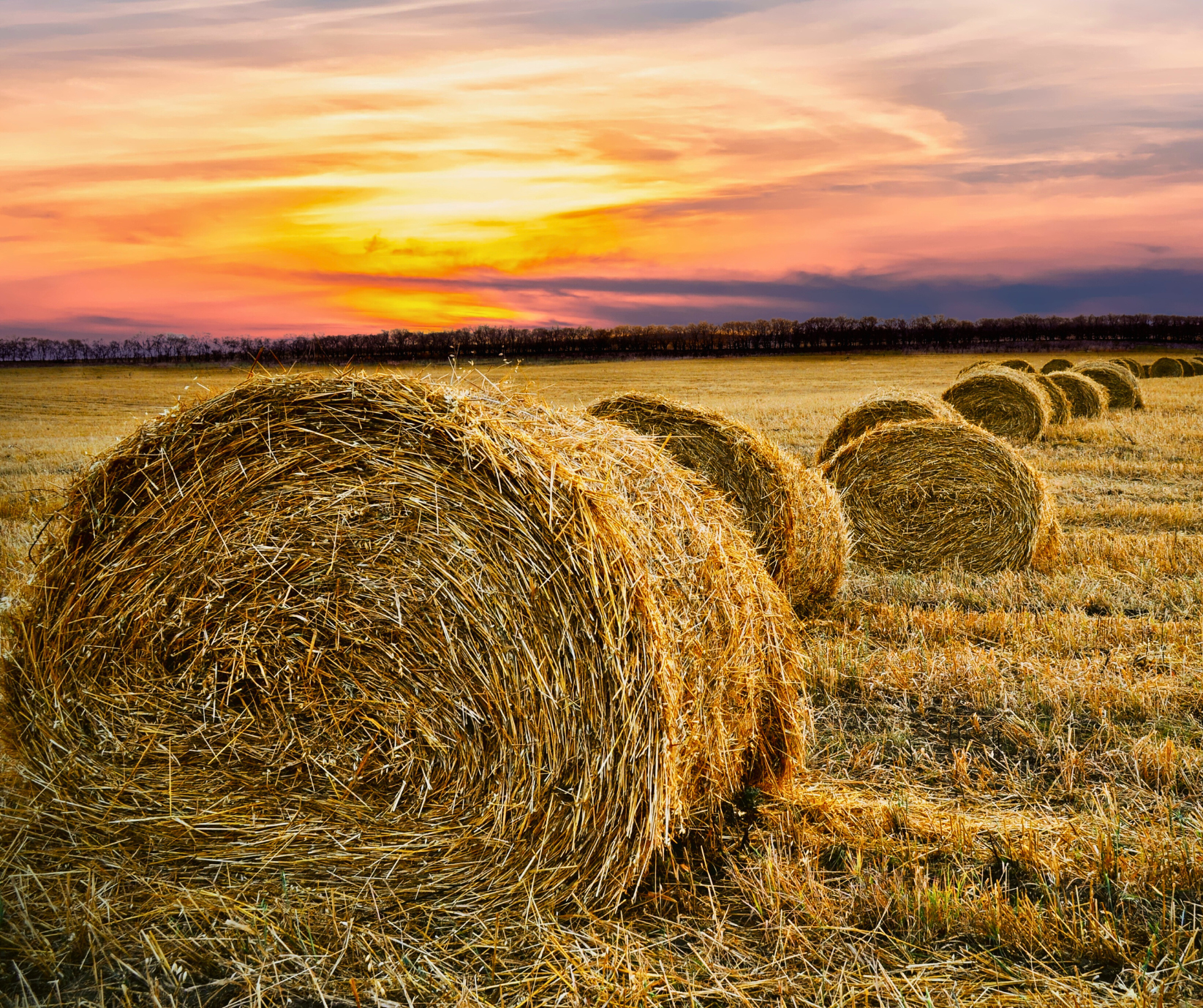
Often, newcomers to cattle production hastily buy hay without considering its origin, cutting, or nutrient content. Hay testing is crucial for farmers and livestock owners to ensure optimal feeding strategies and animal health. By assessing hay quality through agricultural laboratories or portable devices, one can determine essential nutrients and make informed feeding decisions. Accurate hay testing leads to better livestock productivity and health.
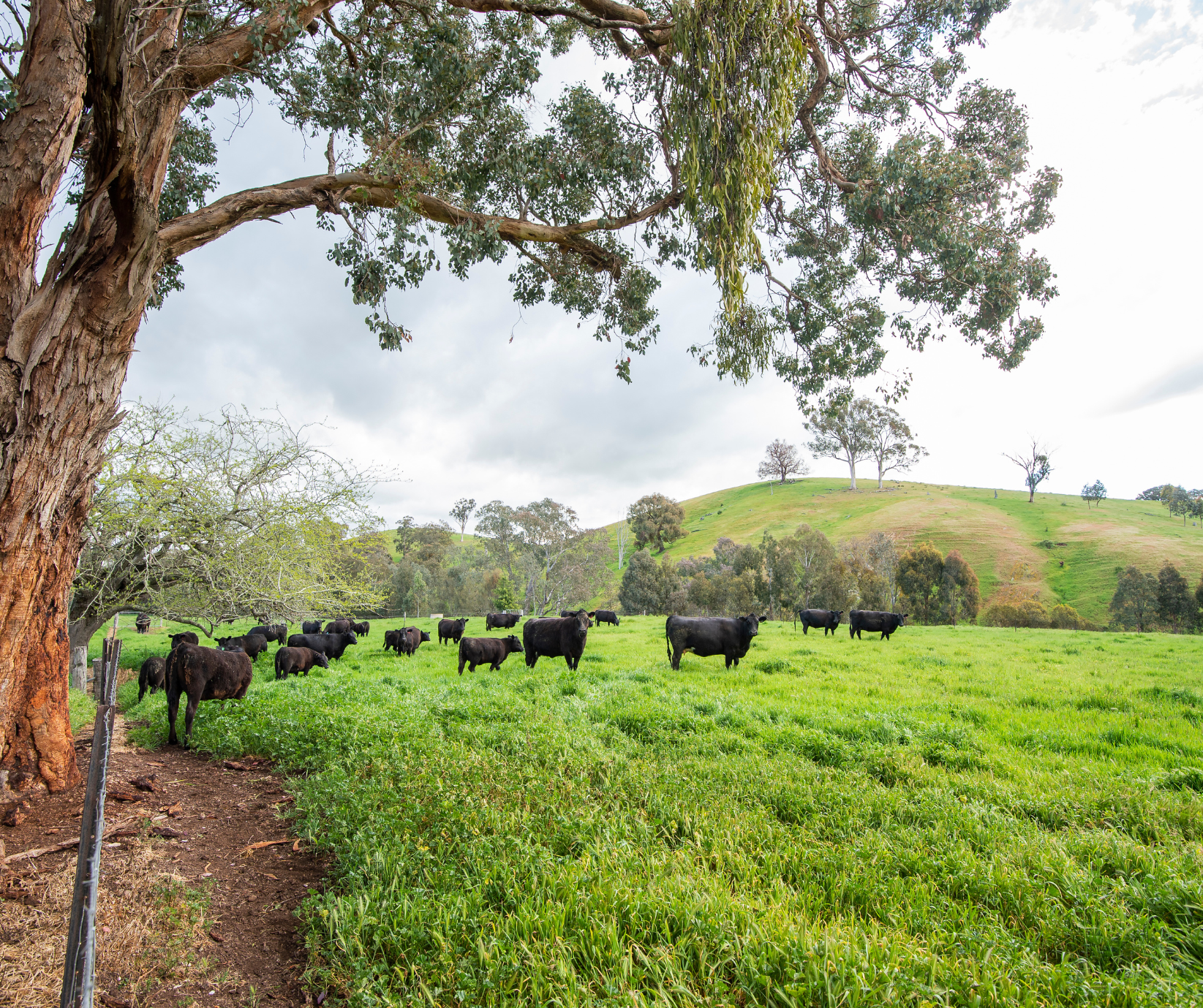
Spring rains bring joy to ranchers but also risks like Rain Rot, a skin disease in cattle. Understanding, treating, and preventing Rain Rot is crucial for maintaining herd health during wet seasons. By staying vigilant and taking proactive measures, ranchers can balance the benefits and risks of spring rains to ensure their cattle remain healthy and productive. Visit Legacy Broker Group’s valuation tool for more ranch management insights.
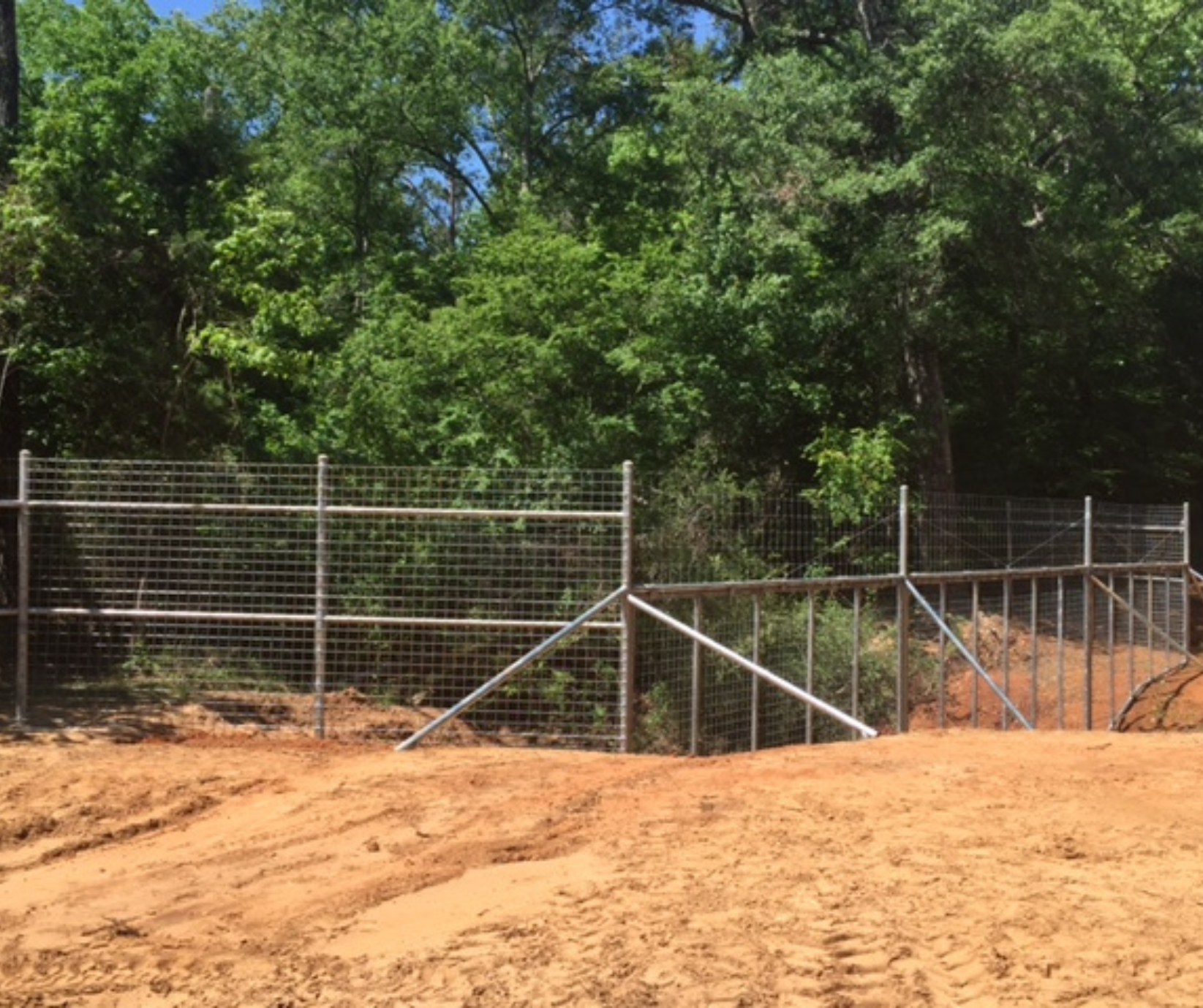
Water gaps act as floodgates on your ranch, allowing water and debris to flow while keeping animals secure. Learn maintenance tips to prevent washouts during spring rains and flash floods, ensuring your livestock remains safely on your property. Visit Legacy Broker Group’s valuation tool for more ranch management insights.
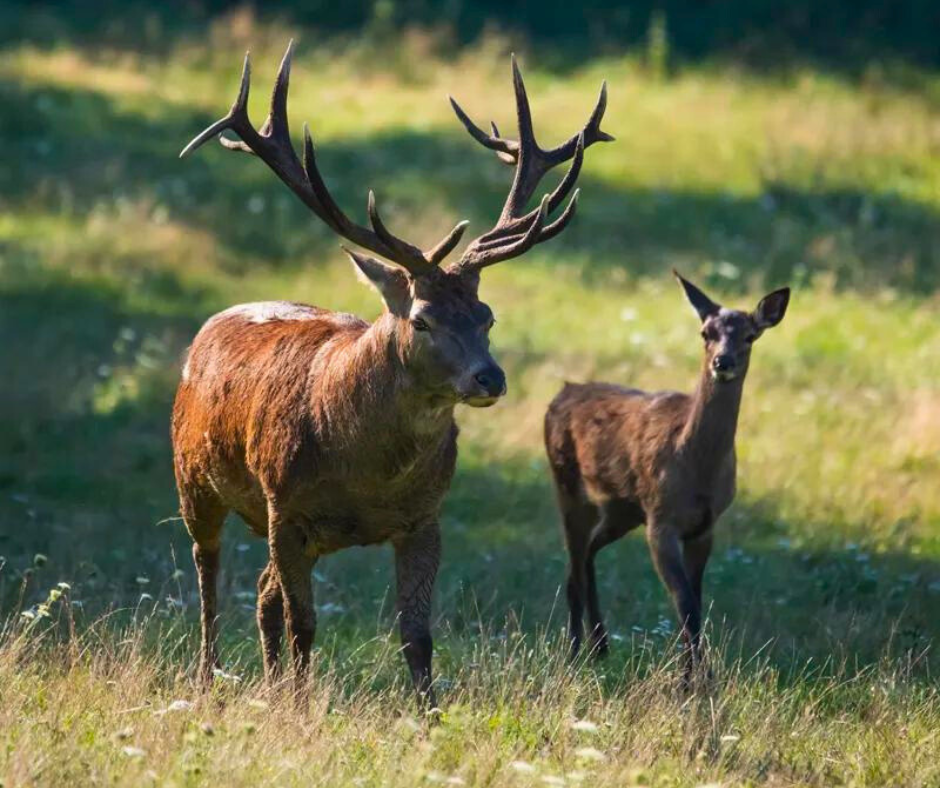
Texas culture and history have been significantly shaped by its vast and iconic ranches. From King Ranch’s expansive 825,000 acres to the historic 6666 Ranch, these properties symbolize the state’s rich ranching heritage. Learn about the famous ranches that have contributed to Texas’ culture, economy, and legacy. Start your land legacy with Legacy Broker Group today.
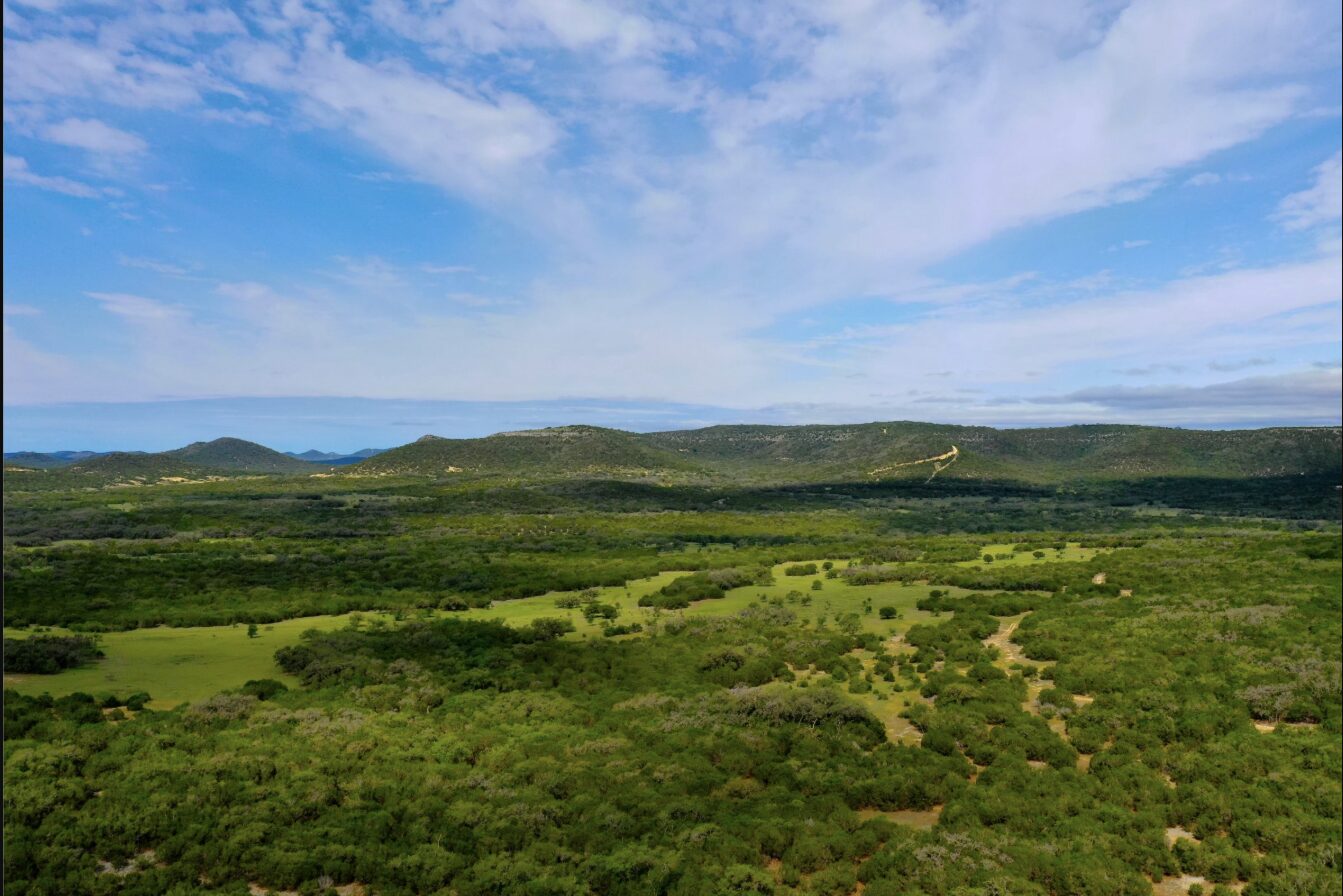
If you live in the Texas Hill Country you most likely have seen a Barn Swallow or currently host their nest somewhere on the outside of your home. Barn Swallows are migratory birds that can be found throughout much of North America, including Texas Hill Country. They are known for their distinctive deeply forked tails, … Read more
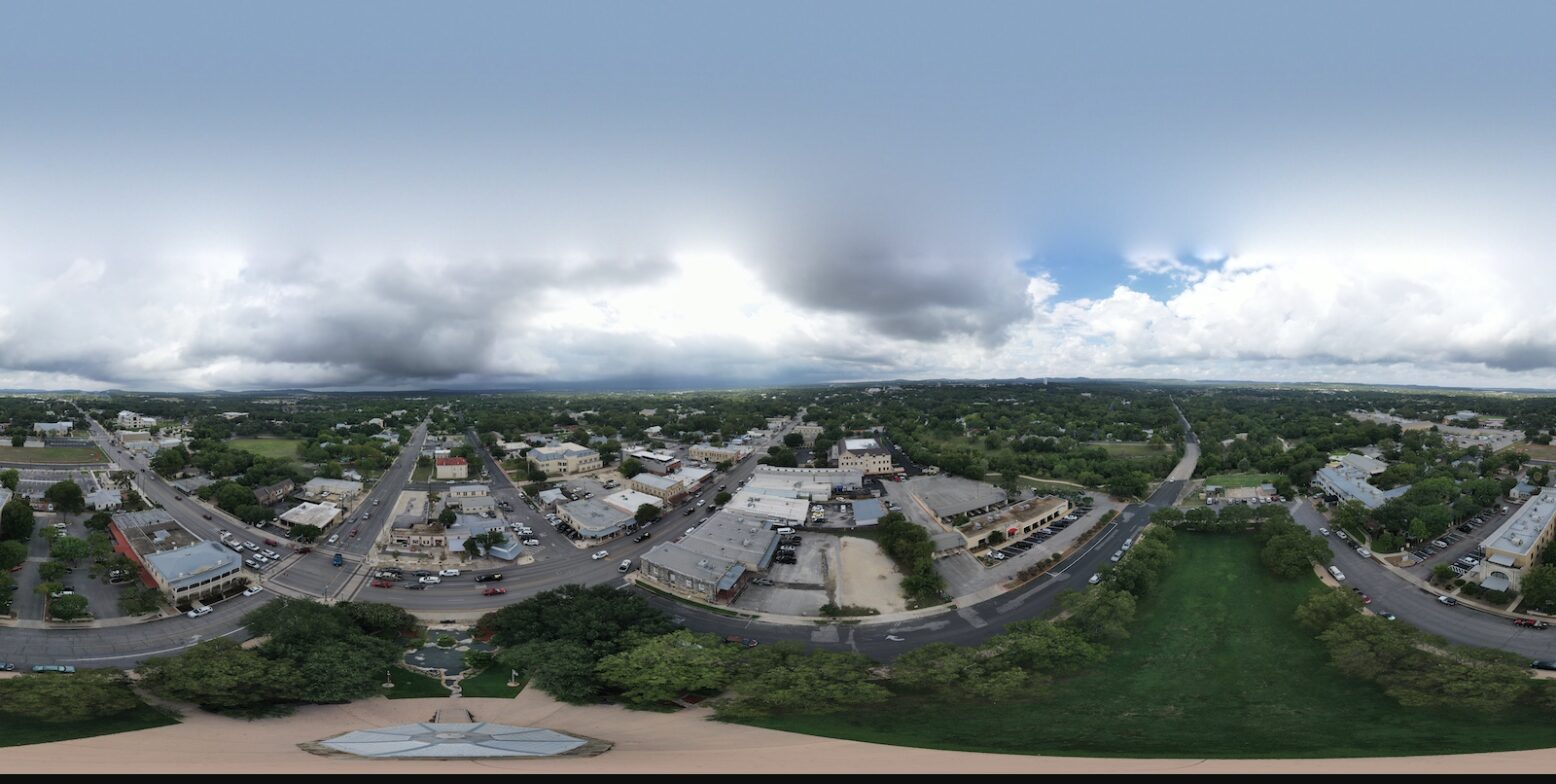
Boerne, Texas is a small city nestled in the Texas Hill Country, about 30 miles northwest of San Antonio. This charming city has a rich history that dates back to the mid-19th century. Boerne was founded in 1852 by a group of German immigrants who had settled in the area. The town was named after … Read more