
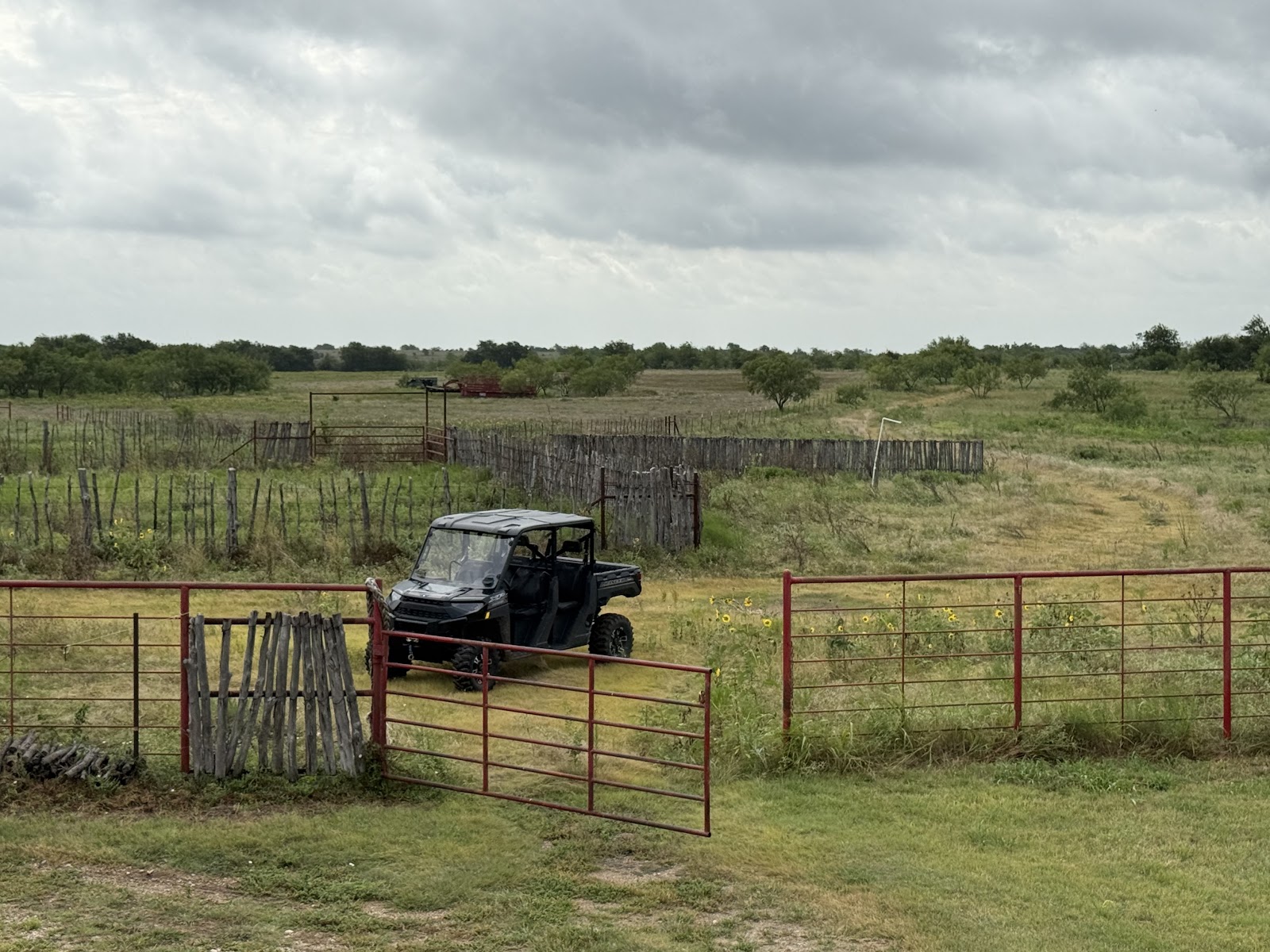
The cheapest land per acre is rarely the best buy on its own. What rural Texas land really costs is the purchase price plus every improvement your plans for it will require. A tract listed at a bargain can end up costing more than the place down the road once you pay for the water, power, fence, road and clearing it needs.
We walk a lot of land with buyers in the Hill Country, the Highland Lakes and Far West Texas, and the conversation that saves people the most money happens before anyone writes an offer. It starts with one question: what are you going to do with this land? This guide covers each major improvement, what it typically costs where good figures exist, and how to compare two tracts by what they’ll cost you all in, not just by the sticker.
Why isn’t the cheapest land per acre always the best buy?
The per-acre price only measures the land itself. A raw tract with no water, power, fence or all-weather road can cost more by the time it does what you need than a better-improved tract listed higher.
Regional prices show why per-acre comparisons can mislead. In the Texas Real Estate Research Center’s second-quarter 2026 rural land report, published in August 2026, the statewide median was $5,218 per acre. Regional medians ranged from about $1,139 in Far West Texas and $1,719 in the Panhandle and South Plains to $3,008 in West Texas, $8,040 in Austin-Waco-Hill Country and about $11,369 in the Gulf Coast-Brazos Bottom. These are four-quarter moving medians for large rural tracts. The Center also described the statewide market as moving into a stable-to-soft phase.
The gaps between regions reflect rainfall, groundwater, access and distance to cities. Low-priced country in the Far West Texas ranches for sale can be a great value for a buyer who wants wide-open land and has a plan for water. Higher prices in the Austin-Waco-Hill Country region often include paved frontage, co-op power nearby and a shorter drive to town. Neither one is the better deal until you price what each tract needs.
What is your end use for the land?
Settle your end use first, because it decides which improvements you have to have and which are just nice. The same tract can be a bargain for one buyer and a money pit for another.
A cow-calf operation needs a sound perimeter fence, cross fences, dependable stock water, working pens and a way to get a trailer in and out. Our post on keeping pastures and cattle healthy explains why carrying capacity and water placement matter so much. A hunting place needs cover, water, travel corridors, stands or blinds, feeders, and maybe a high fence. A homesite or weekend retreat needs a road, electricity, a well, a septic system and a buildable pad. Many buyers want two or three of these at once, which raises the bar.
Brush is a good example. A thick stand of brush can be prime cover for the wildlife our post on supporting native Texas wildlife talks about. For a cattle buyer, that same stand is a clearing bill. Before you tour a single property, write down your must-haves and your nice-to-haves. Then judge every listing by what it will cost to close the gap.
How much does water cost on raw Texas land?
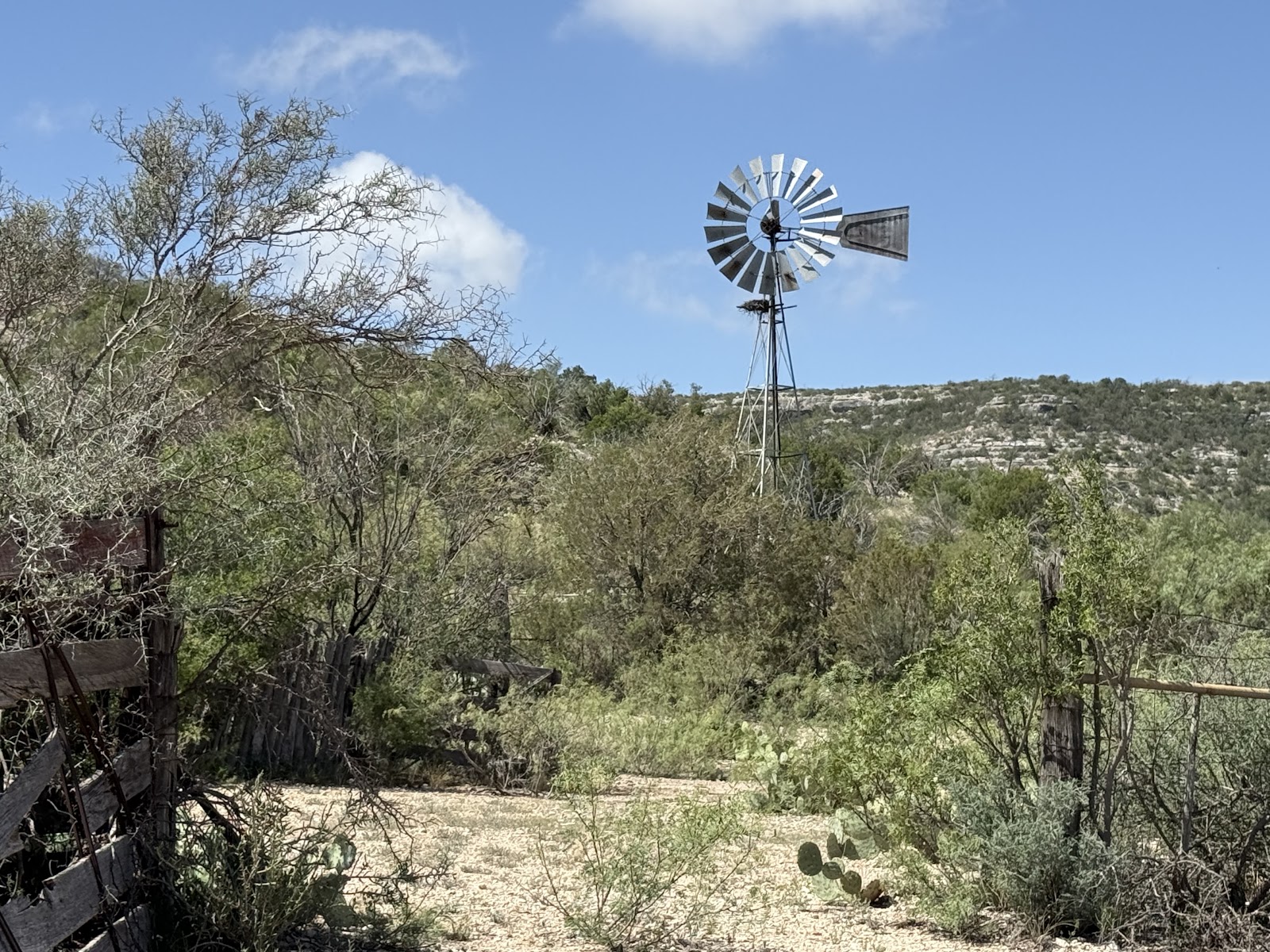
Water is usually the biggest unknown on raw land. Published 2026 estimates put Texas drilling at roughly $25 to $58 per foot, and a complete system with pump, pressure tank and hookup is commonly estimated at $12,000 to $22,000. Your own number depends on depth and geology.
In the Hill Country, drillers often have to go through limestone, and wells in the Austin and San Antonio corridors commonly reach 300 to 600 feet. In Far West Texas, contractor guides report rates above $60 per foot in some Brewster and Presidio County terrain. Wells are governed locally too: groundwater conservation districts set their own permit and spacing rules, so check with the district before you count on a particular well site.
Ask the seller about any existing wells: depth, yield, age, pump condition and water quality. Ask neighbors what they found. Surface water like a creek, spring or stock tank adds real value, but it’s only reliable if it holds through a dry summer. Our guide on evaluating raw land in Texas for water, access and survey has a fuller due-diligence checklist.
What does a septic system involve on rural land?
If anyone will live on the land or stay there overnight, plan on a septic system. In Texas, a person must have a permit and an approved plan to build, alter, repair or operate one. These are called on-site sewage facilities (OSSFs), and the Texas Commission on Environmental Quality regulates them under 30 TAC Chapter 285.
In most counties the permit comes from a local authorized agent, not from TCEQ directly. A typical application includes a site evaluation by a licensed site evaluator, soil borings or test pits, a system design by a licensed designer or engineer, and a scaled site plan showing setbacks from wells, property lines and surface water. Shallow soil over rock, steep slopes and creeks all push a design toward more complex, more expensive systems. Per TCEQ’s guidance for OSSF owners, systems that use secondary treatment or drip irrigation need an inspection every four months, either by a maintenance company or by the homeowner where that’s allowed.
If you plan to buy land in Comal County TX, the county’s OSSF permitting page lays out a nine-step process. It’s worth reading before you choose a homesite. One Texas septic guide notes that some tracts of 10 acres or more may qualify for a limited exemption with strict conditions. Confirm any exemption with your county’s permitting authority before you rely on it.
What does it cost to bring electricity to rural land?
It can be anything from a simple hookup at the road to tens of thousands of dollars for a long extension. Your local electric provider, usually a cooperative, sets the price.
Planning guides for 2026 commonly use about $10 to $50 per foot for long rural overhead extensions beyond the utility’s allowance. One Hill Country guide cites poles roughly every 300 feet at $1,200 to $5,600 each. Policies differ from co-op to co-op. One recent review of tariffs found that Bluebonnet Electric Cooperative charges a contribution for estimated line costs above $1,950 per service, and found no construction allowance in Pedernales Electric Cooperative’s current tariff.
The practical step is to find out which provider serves the tract, where the nearest usable line is, and what easements a new line would need. Then request a written estimate during your option period. Solar with batteries and a backup generator can work on remote places, but compare it honestly against the line extension quote. A quarter mile to the pole can make two similar tracts very different buys.
What do fencing, roads and brush clearing add?
On ranch land, fence and brush work are often the biggest costs after water and power. Contractors price them by the mile and by the acre, so they grow quickly on big tracts.
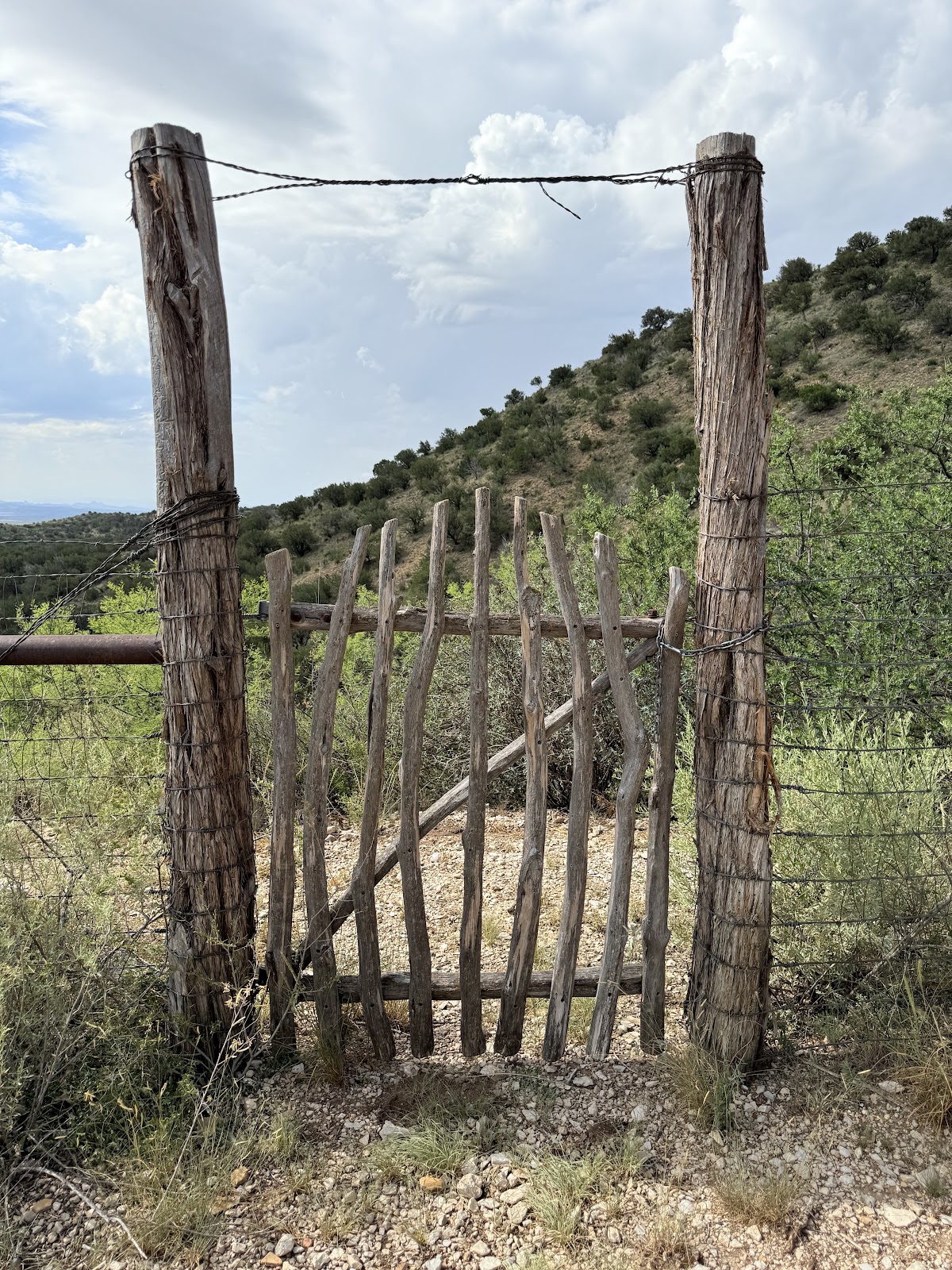
A contractor’s summary of Texas A&M AgriLife Extension’s 2026 Custom Rates Survey reports statewide averages of about $18,633 per mile for 4 to 6 strand wire on steel posts and about $21,150 per mile for net wire. A Central Texas fence builder puts 8-foot game fence at roughly $24,000 to $42,000 per mile. Where a fence crosses a creek, you’ll also need water gaps that hold up to floods. Brush clearing is just as variable: Hill Country contractors commonly quote cedar and mixed brush at about $1,800 to $4,500 per acre, depending on density, trunk size and slope.
Roads matter in two ways. Physically, an all-weather road to the house site, plus crossings and culverts, can be expensive in rough or rocky country. Legally, confirm the tract has recorded access. A cheap tract with poor or unclear access is cheap for a reason, and it can be hard to finance or resell.
Are existing barns, pens, feeders and blinds worth paying more for?
Often, yes. Improvements already in place usually sell for less than it would cost to build them new, so a tract priced higher per acre can be the real bargain. That holds only if the improvements are sound and fit your plans.
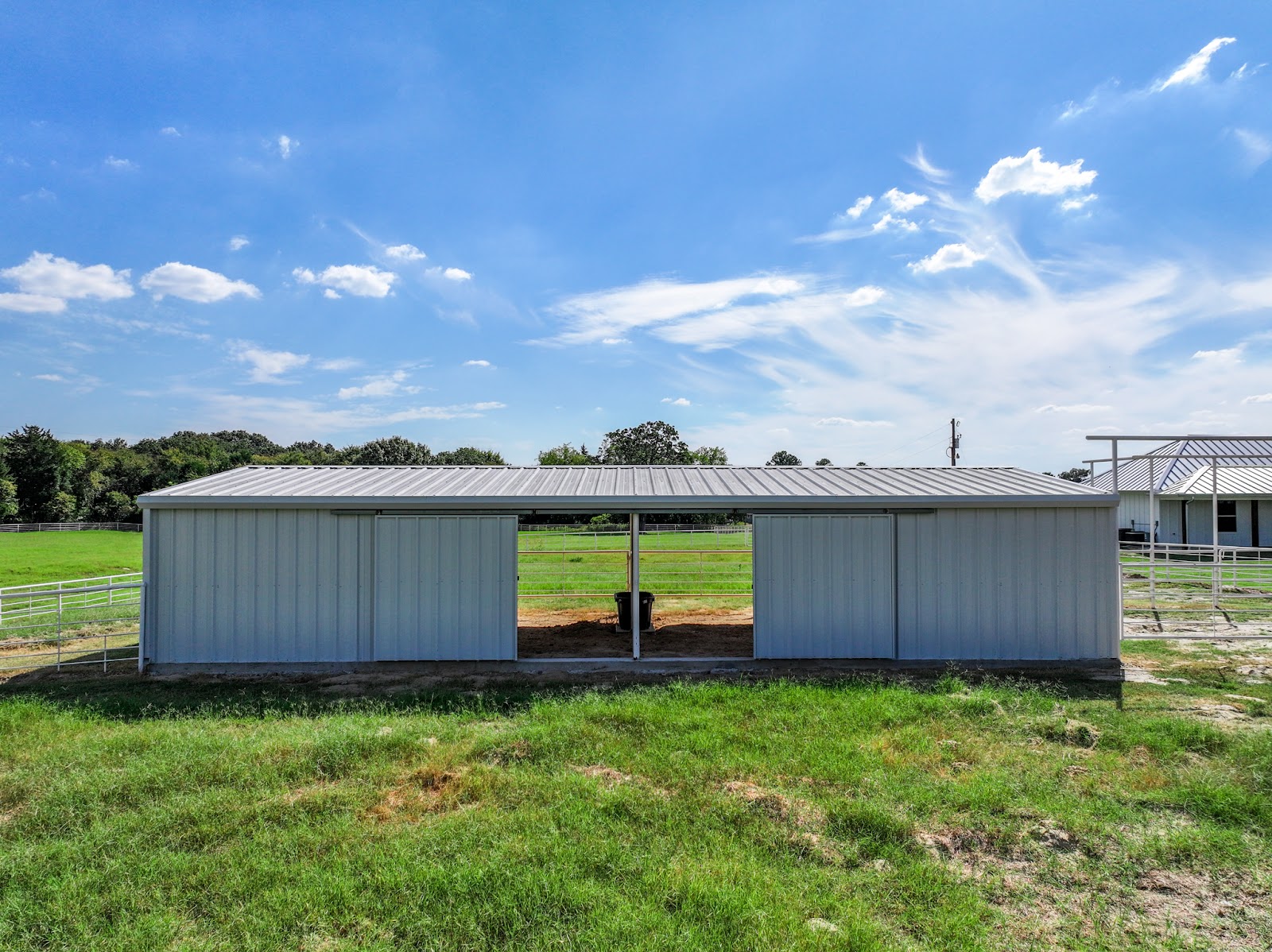
Working pens with a good alley and loading chute, a barn with power, water troughs on a pipeline, feeders and blinds already set on proven trails, and good fence all save money and time. Time matters: it can take a year or more to schedule drillers, co-op crews and fence builders. Some buyers start with a barn or a barndominium and build the main house later. Our post on why barndominiums work on rural land covers that approach.
Check condition as carefully as you’d inspect a house. Rusted pipe pens, a failing well pump or a barn with no permitted septic nearby might add little value or even cost you. Ask what conveys with the sale, because feeders, blinds, portable pens and equipment are sometimes excluded.
Does ag or wildlife valuation change the math?
It can lower your holding costs a lot, but it has rules, and keeping it may require the same fence and water improvements discussed above. Texas open-space (1-d-1) agricultural appraisal generally requires that the land was used principally for agriculture in five of the preceding seven years.
According to Texas A&M AgriLife’s guide to wildlife management valuation, a tract must already be qualified as 1-d-1 open-space land in the year before it switches to wildlife management. The owner then files a wildlife management plan, typically on the TPWD wildlife management plan form, which requires at least three qualifying practices. Appraisal districts also set local standards. Older Kendall Appraisal District guidelines, for example, list about 25 acres as a typical minimum for a horse operation. So if you plan to buy land in Kendall County TX and keep the valuation, ask the district what it requires today.
This is a summary of the rules, not tax advice. Confirm a tract’s status and your plan with the county appraisal district and your CPA before you close. When you’re ready to compare tracts by what they’ll really cost you, browse our Land & Ranch real estate for sale or contact our Land & Ranch team. We’ll walk the ground with you and help you price the improvements before you make an offer.
Frequently Asked Questions
In the Texas Real Estate Research Center’s second-quarter 2026 report, published August 2026, Far West Texas had the lowest regional median at about $1,139 per acre, followed by the Panhandle and South Plains at $1,719. Low prices there partly reflect limited rainfall and water, long distances and larger tract sizes.
There’s no single number, because it depends on your end use. Add up bids for a well, septic, power extension, fence, brush clearing and road, and get written estimates during your option period.
Review the county’s OSSF permit process, ask about likely well depths through the limestone, and price cedar clearing for your homesite and fence lines. Also confirm legal access and which electric provider serves the tract.
Based on a contractor’s summary of Texas A&M AgriLife’s 2026 Custom Rates Survey, 4 to 6 strand wire on steel posts averages about $18,633 per mile statewide and net wire about $21,150 per mile. High game fence costs considerably more.
It depends on whether the land is already qualified and whether you continue a qualifying agricultural or wildlife use. Kendall Appraisal District sets its own local standards, so confirm current requirements with the district and your CPA before closing.
Generally, yes. TCEQ requires a permit and an approved plan to build, alter, repair or operate an on-site sewage facility, usually issued through a county authorized agent.
Improved land often costs less in the end, because existing wells, fences, pens and power usually sell for less than it would cost to build them new. That’s only true if the improvements are in good condition and match your plans.
Sources
- Texas Rural Land Markets, Second Quarter 2026 (Texas Real Estate Research Center)
- Texas Land Prices per Acre in 2026, by Region (Twin Sun Land Co., summarizing TRERC Q2 2026)
- What is the Price of One Acre of Land in Texas? (Mossy Oak Properties)
- Advice for an Owner of an On-Site Sewage Facility (TCEQ)
- Texas Septic System Regulations (Texas Septic Guide)
- TCEQ Permits, Plain English (Septic Wranglers)
- TCEQ Septic System Rules: A 2026 Homeowner’s Guide (Texas Septic Solutions)
- Steps to Obtain an OSSF Permit (Comal County)
- Drilling a Well in Texas Cost: A Complete Guide 2026 (Eden Land Company)
- Water Well Drilling in 2026 (Find Water Well Drillers)
- Texas Well Drilling Cost by Region 2026 (WellDrillingCosts.com)
- Texas Private Well Guide (DrillerDB)
- How Much Does It Cost to Run Power to Rural Land in Texas? 2026 Guide (Acreage Ready)
- Buying Land in the Texas Hill Country: 2026 Cost Guide (Echelon Property Group)
- Electric Service to Rural Land in Texas: Hill Country Guide (New House Builder)