
The Canadian River Chronicles

Discover the Canadian River in Texas: its geological origins, cultural importance, literary influences, and contemporary conservation efforts.
Discover the Canadian River in Texas: its geological origins, cultural importance, literary influences, and contemporary conservation efforts.
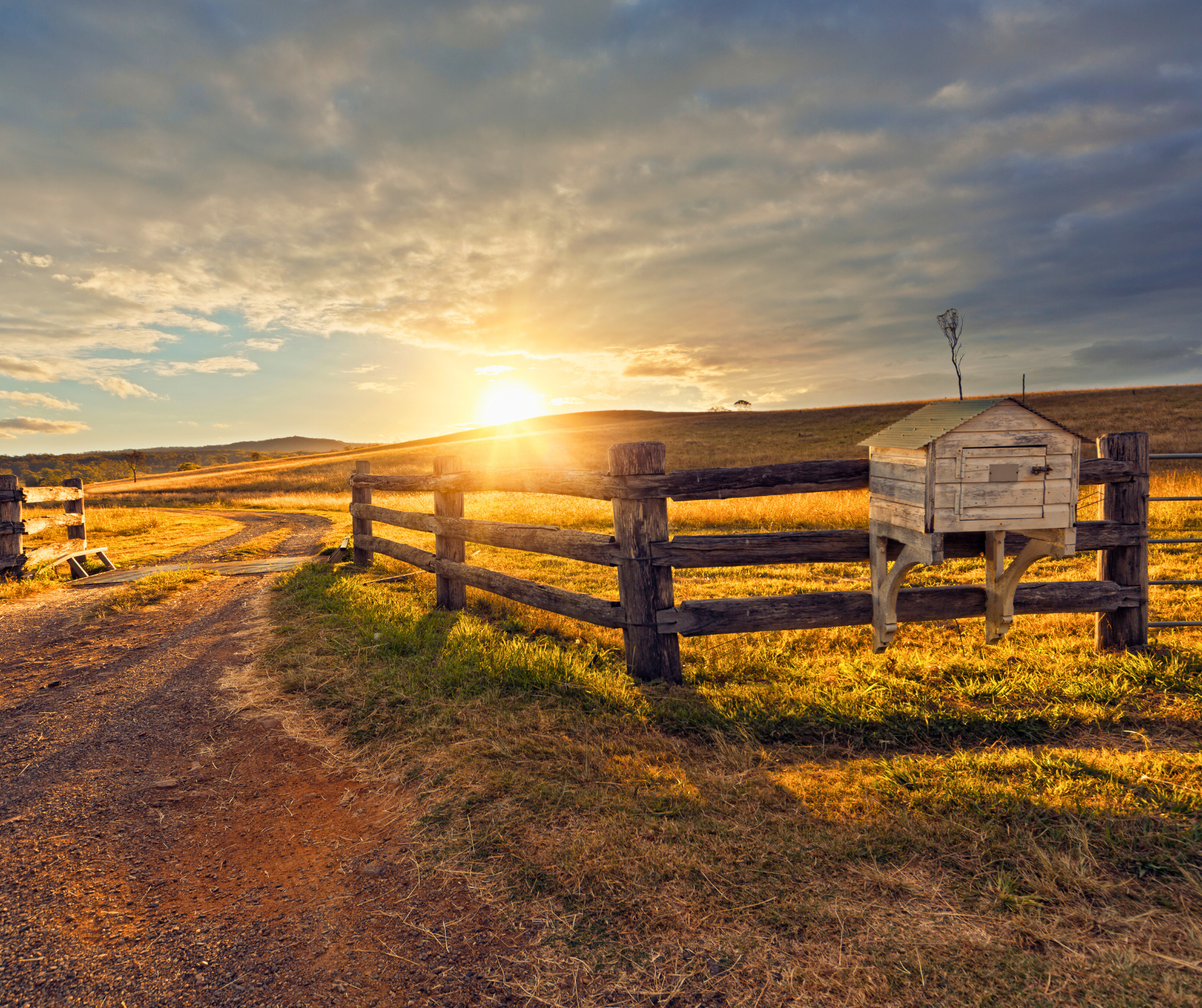
Discover the different types of fencing in Texas, from barbed wire to water gaps, designed to meet the state’s diverse landscapes and agricultural needs.

Food trucks have become incredibly popular over the past couple of decades and have grown to be a significant part of modern culinary culture. Tracing their origins back to the chuckwagon of the Old West, these mobile kitchens provided essential sustenance to cowboys during long cattle drives.
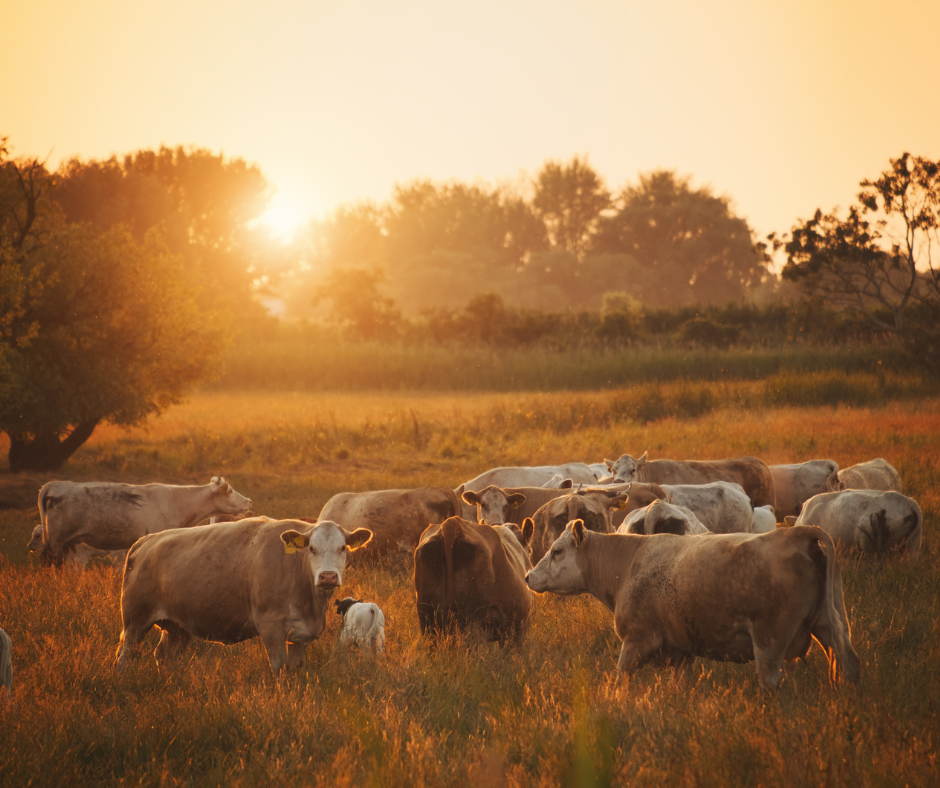
Landowners in Texas can benefit from favorable 1-D-1 open spaces land appraisal through agricultural or wildlife management exemptions. Both options require active land management and offer similar tax benefits, but differ in requirements such as livestock production for agriculture exemptions and more flexible fencing and lower cost practices for wildlife exemptions.
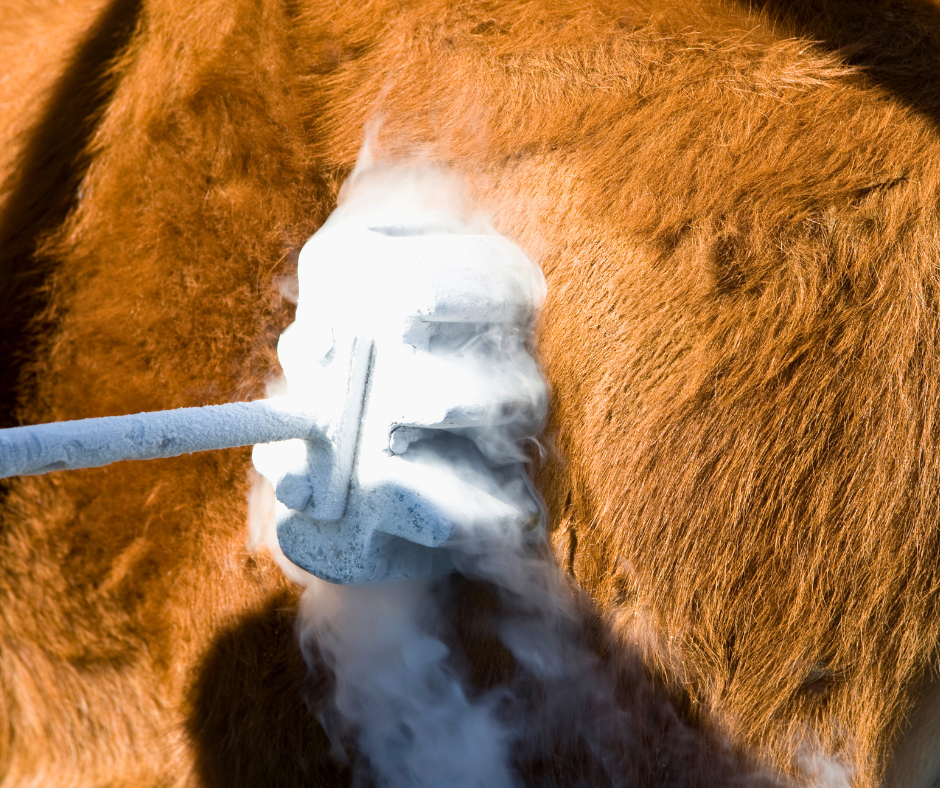
A livestock brand is a permanent mark or symbol applied to the hide of animals such as cattle, horses, sheep, or goats, serving as a means of identification and ownership. Livestock owners create unique brands using methods like hot branding, freeze branding, tattooing, ear tagging, or paint, and can register these brands with local or regional authorities to establish legal ownership and prevent theft.
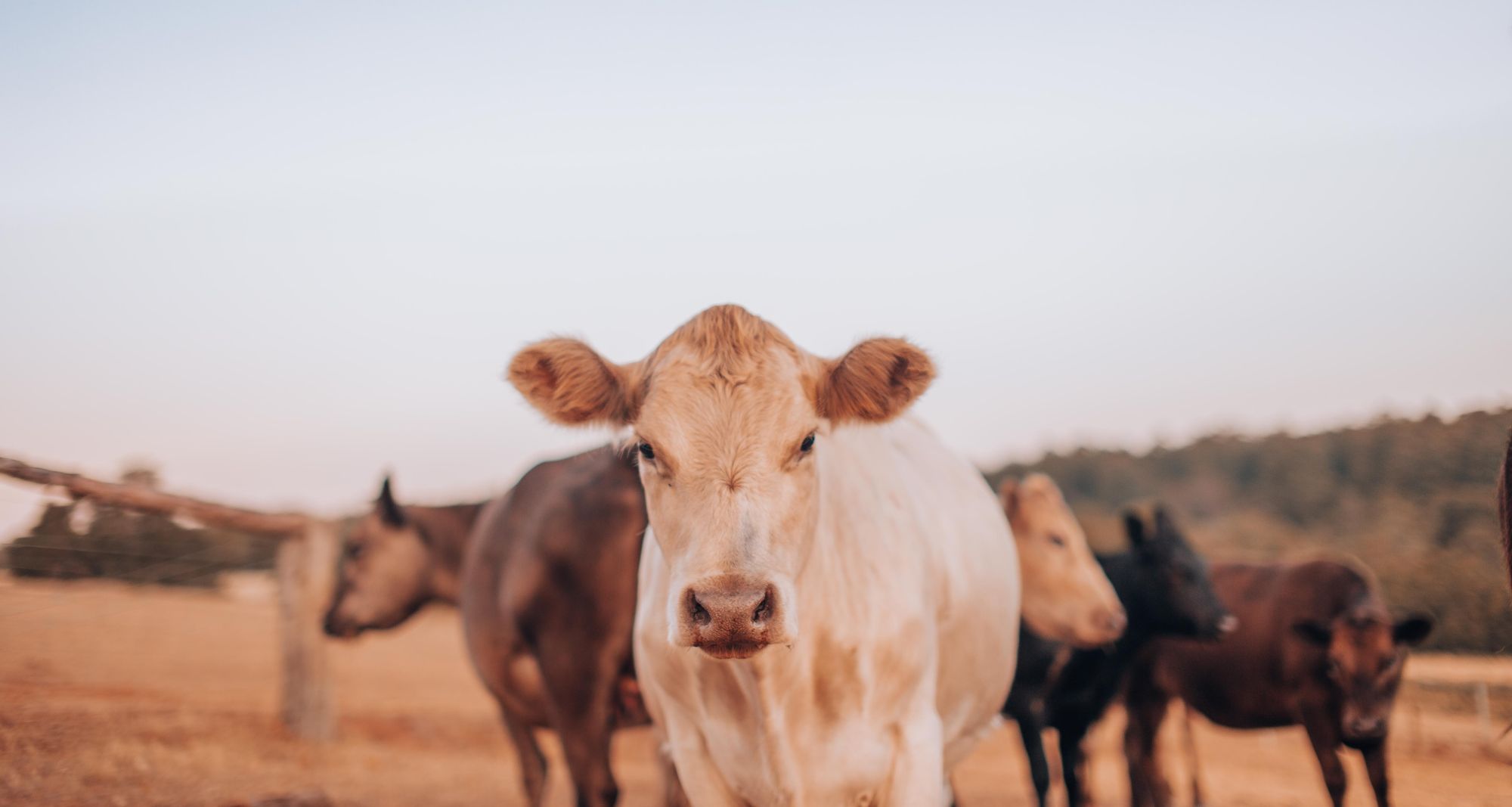
Pros and Cons of both Continuous Grazing and Rotational Grazing.
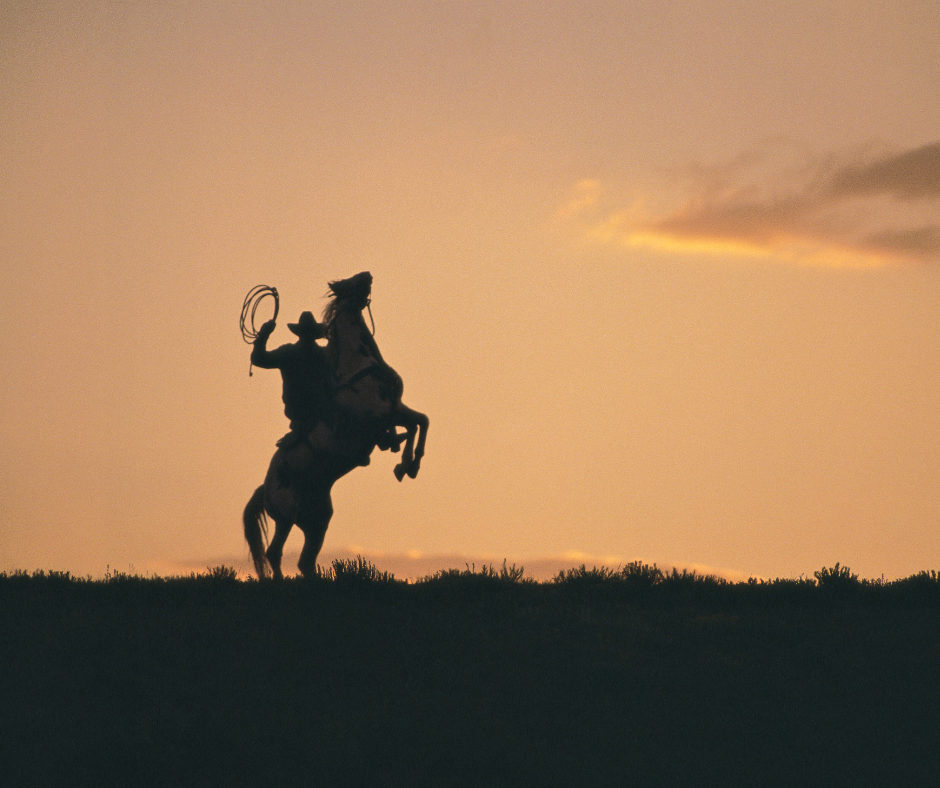
Cowboys originated in the western United States in the mid-19th century, influenced by Spanish vaqueros who introduced cattle herding skills to the region. As settlers moved westward, they adopted these methods, forming a distinct cowboy culture integral to the American cattle industry.
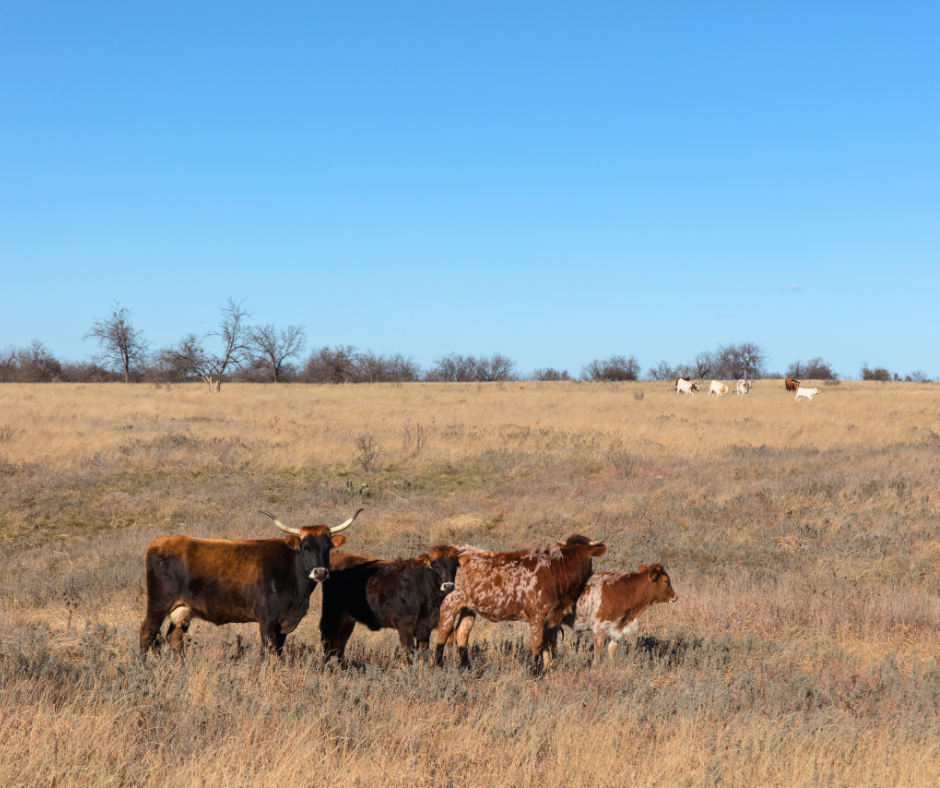
Recent rainfall in Texas has increased parasite rates in cattle, making deworming and parasitic control crucial. These measures protect livestock health, improve productivity, prevent disease transmission, and offer economic and environmental benefits.
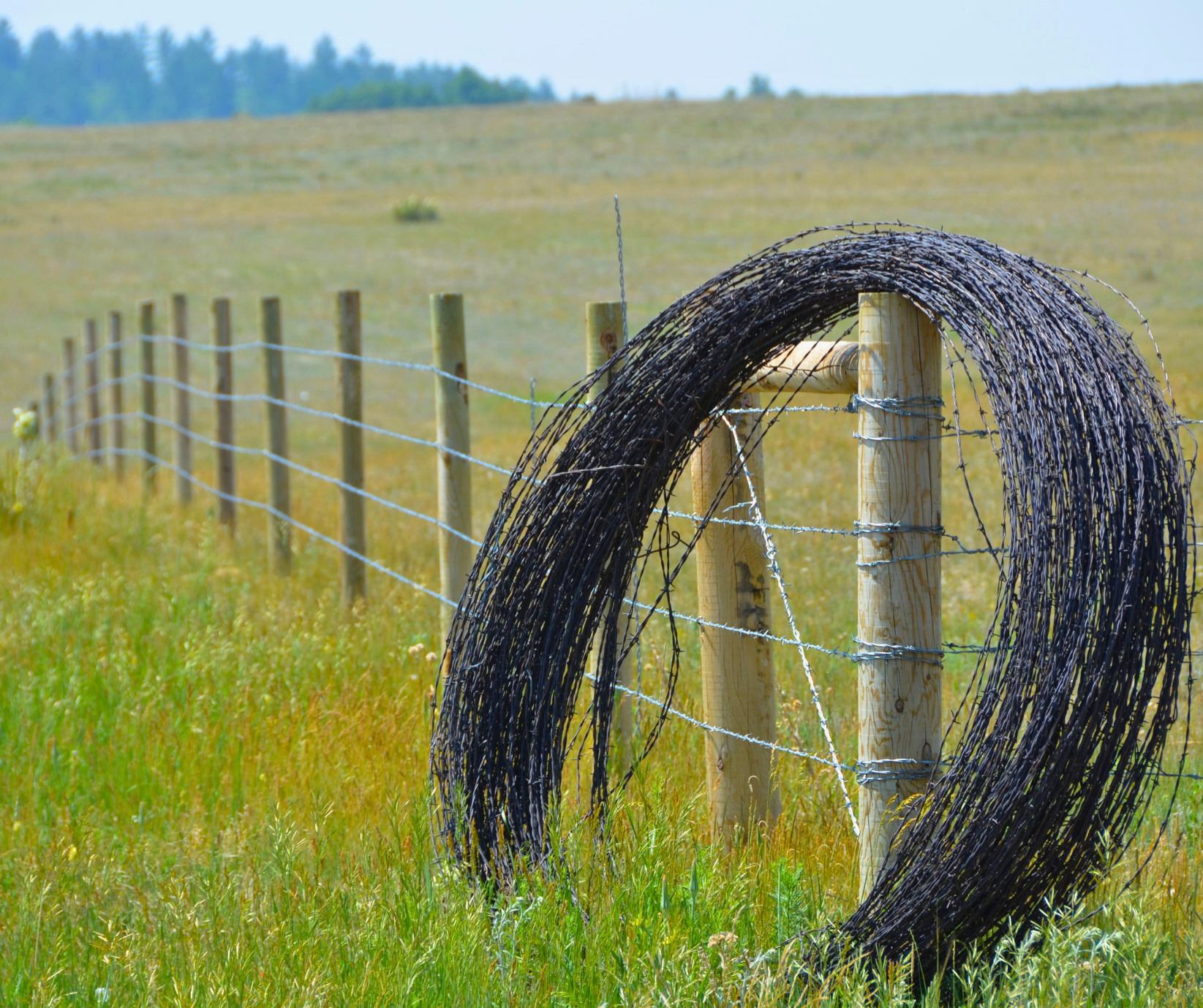
Barbed wire fencing has been a cost-effective solution for livestock containment and property protection for many years. Invented by Joseph F. Glidden in 1873, it revolutionized land management in the American West, leading to the end of open ranges and the rise of private farms and ranches. This fencing’s effectiveness and low cost made it popular, resulting in industrial production and international adoption. Today, barbed wire remains widely used in agriculture and security.
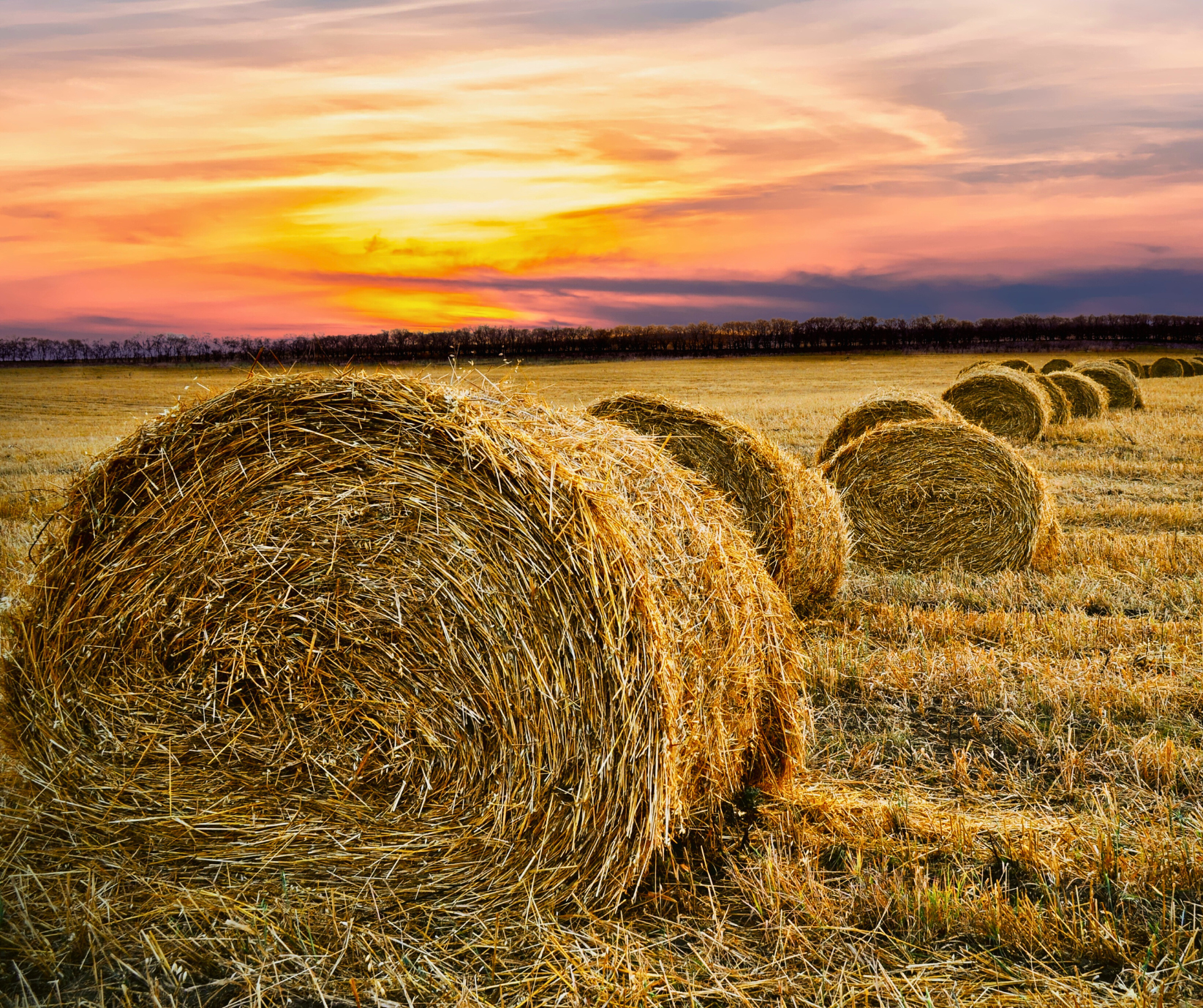
Often, newcomers to cattle production hastily buy hay without considering its origin, cutting, or nutrient content. Hay testing is crucial for farmers and livestock owners to ensure optimal feeding strategies and animal health. By assessing hay quality through agricultural laboratories or portable devices, one can determine essential nutrients and make informed feeding decisions. Accurate hay testing leads to better livestock productivity and health.