
If you’re in the market for hunting land or a ranch in Texas, there are several key factors to consider before making a purchase. While Texas offers some of the best hunting opportunities in the country, not all properties are created equal. From location and wildlife management to infrastructure and investment potential, knowing what to look for can help you find the perfect piece of land. Let’s break down the essential elements to keep in mind.
1. Location: Where You Buy Matters
First and foremost, location plays a crucial role in the quality of your hunting experience. Texas is home to a variety of landscapes, each offering different game species and hunting conditions. Depending on what you’re looking for, here are some of the best hunting regions in Texas:
✔ Hill Country – Ideal for whitetail deer, turkey, and exotic species like axis deer.
✔ South Texas – Known for its trophy whitetail, quail, and javelina hunting.
✔ West Texas – Offers opportunities for mule deer, elk, and predator hunting in rugged terrain.
✔ East Texas – Provides thick forests and excellent deer, hog, and duck hunting.
In addition to the type of game available, consider how far you’re willing to travel. Accessibility is key—you don’t want to spend more time on the road than in the field. Also, if you plan to bring in guests or lease the land, proximity to major highways, airports, and nearby towns could make your property more desirable.
2. Wildlife Population and Game Management
Once you’ve settled on a location, the next step is evaluating the wildlife population on the property. A beautiful piece of land won’t mean much if the game isn’t abundant.
✔ Game Camera Footage & Sightings – Ask for recent trail camera photos and harvest records to gauge wildlife activity.
✔ Food Plots & Feeders – Properties with well-established food plots and feeding programs often attract more game.
✔ Hunting Pressure – Over-hunted land may take years to recover, whereas well-managed land can provide immediate results.
Beyond checking for wildlife presence, you’ll also want to consider wildlife management programs. If the property has been actively managed for hunting, you’re more likely to see healthier, more mature game. Additionally, some properties qualify for wildlife tax exemptions, which can help reduce property taxes if certain conservation practices are followed.
3. Access, Roads, and Infrastructure
Even if a property has great hunting potential, poor access and minimal infrastructure can make it difficult to enjoy. Therefore, it’s essential to look at how easy it is to navigate the land and whether necessary amenities are already in place.
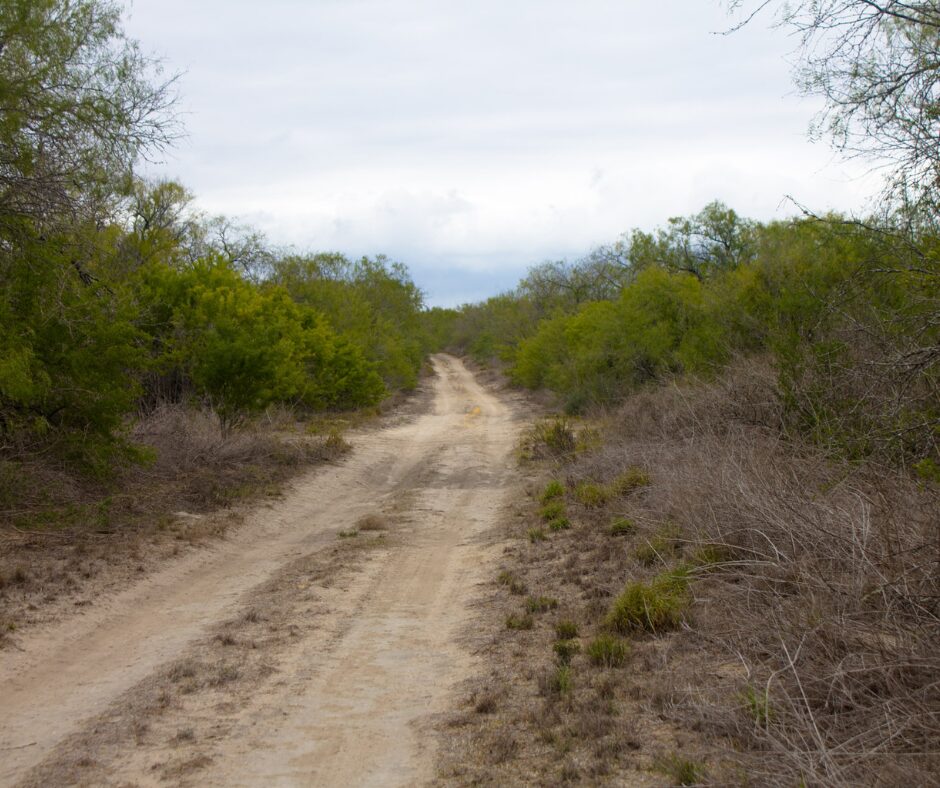
✔ Road System – Does the property have maintained roads and trails, or will you need to create access points?
✔ Fencing & Gates – High fences help with game management, while low fences allow for free-range hunting.
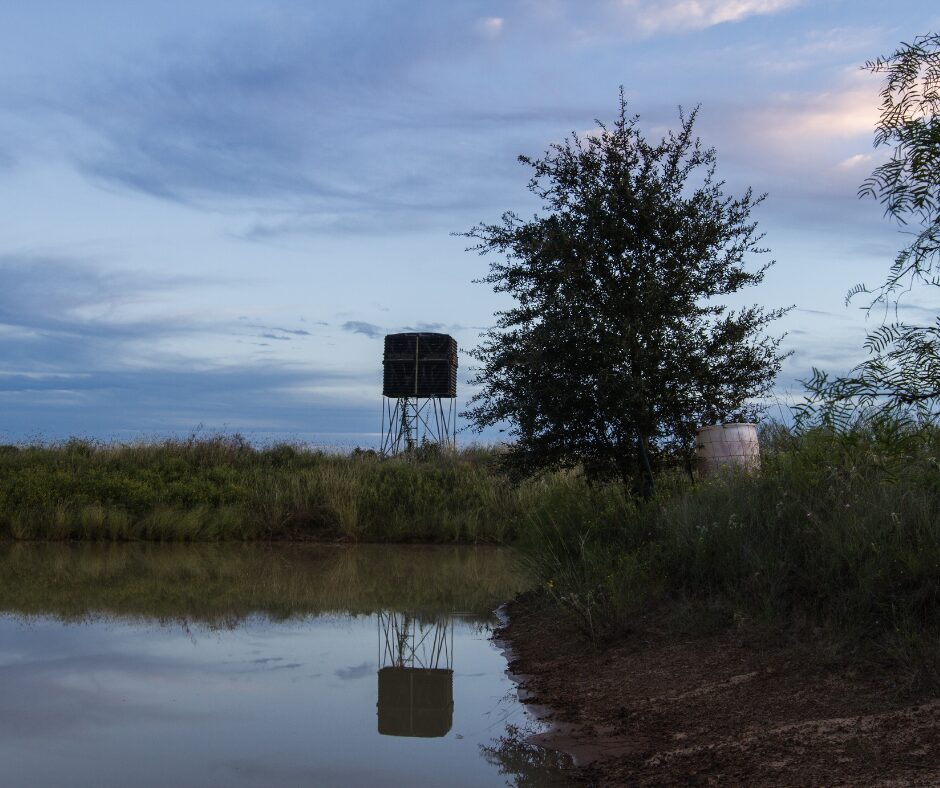
✔ Hunting Blinds & Stands – Check if the property includes established blinds and shooting lanes, or plan for installation.
✔ Lodging & Utilities – If you plan to stay overnight, look for an existing ranch house, hunting cabin, or RV hookups.
Additionally, don’t forget to check for water sources, such as creeks, ponds, or water tanks. Not only are these essential for wildlife, but they also enhance property value. A well-laid-out property with good infrastructure will be more enjoyable to hunt and easier to maintain in the long run.
4. Land Use Regulations and Tax Benefits
Beyond the physical aspects of the land, it’s also important to understand the legal and financial factors that come with property ownership. Not all land can be used freely for hunting, and certain properties come with restrictions that could impact your plans.

✔ Hunting Leases – If you intend to lease the land for hunting, make sure local laws and deed restrictions allow it.
✔ Wildlife & Ag Exemptions – Many Texas properties qualify for tax exemptions based on wildlife conservation or agricultural use, which can significantly lower property taxes.
✔ Zoning & Deed Restrictions – Some properties have limitations on land use, so it’s crucial to know what you’re getting into.
Speaking with a real estate professional or local tax assessor can help you navigate these factors and ensure you’re making a sound investment.
5. Investment and Resale Potential
Even if you’re buying land primarily for personal use, it’s always wise to consider the investment potential of the property. Land is one of the most valuable assets, and a well-maintained hunting property can appreciate over time.

✔ Location & Growth Trends – Properties near developing areas tend to increase in value faster.
✔ Additional Revenue Streams – Some landowners generate extra income through cattle grazing, timber sales, or leasing for hunting.
✔ Proximity to Public Land – If a property is near public hunting areas, it may be more desirable to future buyers.
While buying hunting land is a personal decision, keeping long-term value in mind ensures that your investment will hold its worth if you ever decide to sell.
Final Thoughts: Finding the Right Texas Hunting Land
At the end of the day, purchasing hunting land is about finding the right balance between location, game quality, infrastructure, and financial benefits. Taking the time to evaluate these factors will help ensure that your investment is both personally rewarding and financially sound.
If you’re ready to start your search for Texas hunting land, I’d love to help you find the perfect property that meets your hunting goals and investment needs. Let’s connect and make your dream of owning Texas hunting land a reality!